Rabbit choice farms

Is Rabbit Meat High in Purines? A Gout and Kidney Health Guide

At Rabbit Choice Farms, a question we get from health-conscious customers, especially those managing gout or kidney concerns, is whether rabbit meat is safe to eat regularly. It’s a fair question, since most guidance online focuses on chicken, beef, and fish, and rarely mentions rabbit at all. Here’s what the available nutrition data actually shows.

How Many Purines Does Rabbit Meat Contain?

Purine composition studies place rabbit meat at roughly 95 to 150 mg of purines per 100g, averaging around 130 mg/100g. That puts it in the moderate purine category, the same bracket most meat and poultry fall into.

For context, foods are generally grouped into three bands:

CategoryPurine contentExamples
LowUnder 50 mg/100gEggs, dairy, most vegetables, fruits, grains
Moderate50 to 150 mg/100gRabbit, chicken, beef, pork, lamb, most fish
HighOver 150 mg/100gOrgan meats (liver, kidney), anchovies, sardines, mussels

So rabbit meat sits in the same moderate range as the meats and poultry most people already eat without issue. It’s not a low-purine food, but it’s nowhere near the high-purine foods (organ meats, certain seafood, meat extracts) that are typically flagged as the ones to limit most strictly.

What This Means If You Have Gout

Gout is triggered by elevated uric acid, which the body produces when it breaks down purines. In practice, most gout dietary guidance treats moderate-purine meats like rabbit the same way it treats chicken or beef: something to eat in sensible portions rather than something to avoid outright. A few practical points:

  • Portion size matters more than the specific meat. A large serving of any moderate-purine meat adds up; a modest, balanced portion generally fits within typical dietary recommendations for gout management.
  • Cooking method can help. Some research suggests boiling meat reduces its purine content more than frying or grilling, since purines are water-soluble and leach out during boiling. This is one reason rabbit stew, a traditional way to prepare it, may be a gentler option than fried rabbit for anyone watching their purine intake.
  • Other factors often matter just as much. Alcohol (especially beer), sugary drinks, and being overweight are all significant, independent gout risk factors, sometimes more so than the purine content of any single meat.
  • Individual tolerance varies. Some people with gout can eat moderate-purine meats regularly with no issue; others need to be more cautious. If you have gout or a history of high uric acid, it’s worth discussing your specific dietary limits with a doctor or dietitian rather than relying on general guidance alone.

Is Rabbit Meat Good for Kidney Patients?

This one is harder to answer in general terms, because dietary needs for kidney disease vary a lot depending on the stage of the condition and the individual. What we can say:

  • Rabbit meat is a lean, high-quality protein source with less fat than many cuts of red meat.
  • People with chronic kidney disease are often advised to manage their overall protein intake, and sometimes their potassium and phosphorus intake as well, but the right amount and type of protein depends entirely on the individual’s kidney function and treatment plan.
  • Because of this, rabbit meat is not something we can label broadly “good” or “bad” for kidney patients. The safest approach is to have a renal dietitian or nephrologist factor it into a personalised meal plan, the same way they would with any other meat.

Frequently Asked Questions

Is rabbit meat high in purines? No, rabbit meat falls into the moderate purine category, at roughly 95 to 150 mg per 100g. This is similar to chicken, beef, and pork, and well below high-purine foods like organ meats and certain seafood.

Can people with gout eat rabbit meat? Generally, moderate-purine meats like rabbit can be included in a gout-friendly diet in sensible portions. Since individual tolerance varies, it’s best to check with your doctor or dietitian, especially if you’re managing frequent flare-ups.

Is rabbit meat good for kidney patients? It’s a lean, high-protein meat, but whether it fits a kidney-friendly diet depends on the individual’s stage of kidney disease and treatment plan. Speak to a nephrologist or renal dietitian for guidance specific to your situation.

Does cooking method affect rabbit meat’s purine content? Some purines are water-soluble and can leach out during boiling, so boiled or stewed rabbit may have a somewhat lower purine content than fried rabbit. Portion size still matters more overall.

This article is for general information only and is not medical advice. If you have gout, kidney disease, or another condition affected by diet, please consult a doctor or registered dietitian before making changes to what you eat.

Curious about rabbit meat’s broader nutrition profile? 

See our guide on Is Rabbit Meat Healthy? Nutrition Facts, Benefits and What the Science Says or

 Is Rabbit Meat Good for High Blood Pressure?. 

Ready to try it? Order fresh cuts through our shop, 

or see pickup and delivery options on our Where to Buy Rabbit Meat in Nairobi page.

Rabbit Choice Farms

Common Rabbit Diseases in Kenya and How to Prevent Them.

Ask any experienced animal farmer in on their biggest challenge in farming and disease management will be among the top five. A disease outbreak like coccidiosis flare-up can result in a wave of unexplained deaths, especially among the weaner cages. The frustrating part is that most rabbit disease losses in Kenya are preventable. They happen because farmers either don’t recognize the early signs, or they reach for the wrong drug at the wrong stage and make the problem worse.

This article lays out the health management protocol we use and teach at Rabbit Choice Farms Ltd in Kenya built from hands-on breeding and health management experience, cross-checked against the veterinary literature and, where available, against Kenya-specific research rather than manuals written for a different climate and disease pressure. If you keep even ten breeding does, this is worth bookmarking.

Do Rabbits Get Sick Faster Than Other Livestock?

Rabbits have a hindgut fermentation digestive system built around a delicate population of beneficial bacteria in the cecum. This is what lets them convert fibrous, low-cost feed into meat efficiently but it also means their gut flora is easily disrupted.[1]A sudden feed change, damp bedding, overcrowding, or the wrong antibiotic can tip that bacterial balance and trigger a cascade that can kill a rabbit within roughly 24–48 hours of the first signs.[2] 

Understanding this single fact changes how you should think about rabbit health: prevention through management is always cheaper and more effective than treatment after symptoms appear. 

CoccidiosisThe most Common Kenyan Weaner Rabbits

Coccidiosis is caused by protozoan parasites of the genus Eimeria and is, without question, the disease most likely to damage a small or medium rabbit farm in Kenya.[3] It thrives in warm, humid conditions and spreads through fecal-contaminated feed, water, and bedding which is exactly the environment inside a poorly managed hutch. 

At What Age Does Coccidiosis Affect Most?

Young rabbits around and shortly after weaning are the highest-risk group this is when their immune systems are still developing and they are transitioning off doe’s milk onto solid feed.[3][4] A Kenyan farm-level study similarly found weaning-age rabbits carrying significantly higher coccidial burdens than adults, which lines up with what we see on our own farm and during consultancy visits.[4] This is precisely why so many farmers lose whole litters shortly after weaning and assume it was “just bad luck” it is very rarely luck.

Recognizing Coccidiosis Early

  • Watery or mucus-streaked diarrhea, sometimes with a foul smell
  • Pot-bellied, bloated appearance in kits that were otherwise growing well
  • Rough, staring coat and hunched posture
  •  Sudden drop in feed intake and weight gain stalling despite adequate feed
  •  In severe intestinal cases, sudden deaths with minimal warning signs

How to prevent coccidiosis from your rabbit farm

  • Never feed on the cage floor or hutch floor, use raised feeders and water systems so feed doesn’t contact droppings
  • Keep bedding and hutch floors dry; damp environments are where Eimeria oocysts thrive and sporulate
  • Separate kits by age group after weaning rather than mixing batches, which spreads infection between litters at different immunity levels
  • Disinfect hutches and equipment between batches, and allow a rest period before introducing new kits
  • Avoid sudden feed changes, especially around the weaning window when the gut is most vulnerable

Other Rabbit Diseases You Can Look Out For

Snuffles (Pasteurellosis)

Caused by Pasteurella multocida bacteria, this presents as nasal discharge, sneezing, and sometimes head tilt in advanced cases. It is made worse by overcrowding, poor ventilation, dust, and ammonia buildup, and can become a chronic, recurring problem once established in a colony.[9] Isolate affected rabbits immediately and improve ventilation across the whole unit.

Ear Mites and Mange

Look for crusty, scaly buildup inside the ears or patchy hair loss with visible skin irritation. These are manageable with appropriate topical treatments but spread fast through direct contact, so isolate and treat promptly.

GI Stasis and Bloat

A rabbit that stops eating and stops passing droppings is in a genuine emergency. Low-fiber, high-carbohydrate diets are one of the most common underlying triggers, alongside dehydration and stress a diet under roughly 25% crude fiber measurably increases risk.[10] Ensure constant access to clean water and a fiber-adequate ration (see our feed formulation guide) as the first line of prevention.

How to Build a Biosecurity Routine That Actually Works on a Kenyan Farm

Most disease outbreaks trace back to one of three failures: introducing new stock without quarantine, visitors or equipment moving between hutches without disinfection, or overcrowding that stresses the whole colony. A workable routine doesn’t need to be expensive it needs to be consistent.

  • Quarantine all new stock for a minimum of two weeks before introducing them to the main colony
  • Keep a simple footbath with disinfectant at the entrance to your rabbitry
  • Clean feeders and waterers on a fixed schedule rather than “when they look dirty”
  • Keep a basic health log per cage or batch, this is where a simple production tracking sheet earns its keep long before you need it for anything else
  • Avoid mixing age groups and always practice all-in, all-out management for weaner batches

About Rabbit Choice Farms

Rabbit Choice Farms Ltd. is a Kenyan agribusiness committed to making rabbit farming more profitable, sustainable, and accessible to farmers. We support farmers through commercial breeding, practical farmer training, farm setup and technical support, and market linkages, while also promoting rabbit meat as a healthy and sustainable source of protein.

Whether you are starting your first rabbit farm, expanding an existing operation, or looking to develop rabbit farming as a commercial enterprise, we provide practical knowledge and solutions designed to help you succeed.

Would you like Rabbit Choice Farms to visit your farm or organize group training on commercial rabbit farming in your location? We offer practical, hands-on training and farm support tailored to farmers, farmer groups, institutions, and businesses.

Contact us:
info@choicefarms.co.ke

 +254 715 626 955

Let’s grow your rabbit farming business together.

Rabbit Meat Nairobi

Rabbit Meat Price in Kenya 2026

Current Rates, Price Per Kg, and Where to Buy

Rabbit Choice Farms Ltd  |  Nairobi, Kenya

One of the questions we hear most often at Rabbit Choice Farms from home cooks, restaurant buyers, and aspiring farmers alike is simple: how much does rabbit meat cost in Kenya?

It’s a fair question, and the answer matters for different reasons depending on who’s asking. Consumers want to know whether rabbit fits their budget and how it stacks up against chicken or beef. Farmers want to know what they can expect to earn selling mature rabbits. Restaurateurs and bulk buyers want a wholesale benchmark before adding rabbit to the menu.

This guide gives you current, transparent pricing by the kilogram, by the cut, and per whole dressed rabbit for 2026. We also break down what actually drives price differences across markets and channels, and how to order rabbit meat delivered fresh anywhere in Nairobi.

Rabbit Meat Price in Kenya (2026)

Retail price per kg buying directly from a supplier

ProductPrice per kg
Whole dressed rabbit (small, 1.0 to 1.2 kg)KSh 900 – 1,080/kg
Whole rabbit (medium, 1.3 to 1.5 kg)Ksh  1,170 – 1,350/kg
Whole rabbit (large, 1.6 to 2.0 kg)Ksh 1,440 – 1,800/kg
Rabbit legsKSh 900/kg
Rabbit fillet / bonelessKSh 1,260/kg
Rabbit minceKSh 1,300/kg

These are Rabbit Choice Farms’ current retail rates for direct consumer orders (minimum order: 5 kg). Restaurant and bulk pricing is available on request call or WhatsApp +254 715 626 955.

Farm-gate price (farmers selling live rabbits)

Farmers selling mature, market-ready rabbits to processors and buyers can expect KSh 300–350 per kg of live weight, depending on the animal’s condition, the buyer, and the volume sold. Rabbit Choice Farms purchases directly from our registered farmer network at competitive, transparent prices, with same-day payment.

How Does Rabbit Meat Compare to Chicken and Beef?

Many Kenyans are surprised to learn that rabbit is competitively priced against other quality proteins especially once you factor in what you’re actually getting nutritionally.

MeatApprox. Retail Price/kg (Nairobi, 2026)
Chicken (whole kienyeji)KSh 1,150/kg
Goat meatKSh 949–1,049/kg
Beef Rump SteakKSh 1,529/kg
Rabbit meat (whole)KSh 900/kg
Beef (quality cuts)KSh 1,000–1,500/kg

Rabbit now sits at the top end of the goat/stewing-beef band and just under quality beef cuts. But the nutrition story tips the scale: rabbit is higher in protein, lower in fat, and lower in cholesterol than beef. You’re paying beef-level prices for a meaningfully healthier meat.

What Affects the Price of Rabbit Meat in Kenya?

Prices vary across sellers and markets for six main reasons:

1. Breed and feed quality

Rabbits raised on quality commercial pellets and hay develop leaner, more tender meat than those fed on kitchen scraps or low-grade feed. All Rabbit Choice Farms meat comes from carefully selected New Zealand White and Californian hybrid crosses, raised to strict feed and hygiene standards and that quality is reflected in the price.

2. Processing and hygiene standards

How a rabbit is slaughtered, cleaned, and stored has a direct impact on safety and shelf life. We process every rabbit under strict hygiene protocols, so the meat you receive is clean, safe, and fresh a genuine differentiator from unregulated roadside sales, where quality is hard to verify.

Whole rabbit is the most economical option per kilogram. Boneless fillets cost more because they require additional processing time and yield less finished meat per rabbit after bone removal but offer more convenience. Mince is priced efficiently because it makes full use of trimmings.

4. Volume purchased

Like most meats, rabbit gets cheaper per kg at higher volumes. Restaurants and wholesale buyers ordering 20 kg or more per week qualify for preferential pricing call +254 715 626 955 for wholesale prices.

5. Delivery versus collection

Within Nairobi, we use motorbikes like Uber and Bolt for quick convenience. .

6. Market channel

Rabbit sold through supermarkets or middlemen often carries a markup that direct-from-farm buying avoids. Ordering directly from Rabbit Choice Farms means paying the producer price no intermediary margin which is better value for you and a fairer return for our farmers.

Where to Buy Rabbit Meat in Kenya

Rabbit Choice Farms Nairobi, with delivery across the city

We are Kenya’s leading rabbit meat supplier, sourcing from our network of partner farmers and supplying fresh rabbit meat to households, restaurants, hotels, and supermarkets.

What we offer:

  • Fresh whole rabbit, rabbit legs, boneless fillet, and rabbit mince
  • Minimum order: 1 kg
  • Delivery across Nairobi
  • Consistent, reliable supply we don’t run out
  • Hygienically processed and traceable from farm to fork
  • Wholesale pricing for restaurants and bulk buyers

How to order Rabbit meat online:

  • Call or WhatsApp: +254 715 626 955 or +254 762 688 055
  • Email: info@choicefarms.co.ke
  • Order online through our shop
  • Visit us: Ruaraka Mall, First Floor, Thika Road (opposite Safari Park Hotel)

Supermarkets (limited availability)

A handful of Nairobi supermarkets including some Carrefour and Naivas branches stock rabbit meat, usually frozen whole rabbit only, with availability varying by store. Expect a premium over direct farm pricing.

Nairobi open markets

Some wet markets stock rabbit meat, but quality and hygiene standards vary widely, and it’s difficult to verify breed, feed history, or processing conditions. For consistent quality and food safety, buying from a certified, traceable supplier like Rabbit Choice Farms remains the most reliable option.

Is Rabbit Meat Price Likely to Change?

Rabbit meat prices in Kenya have stayed relatively stable in recent years, with demand in Nairobi running slightly ahead of supply. As more farmers enter the sector and production scales up, farm-gate prices may ease slightly. Retail consumer prices, however, are unlikely to drop significantly the market is still maturing, and the cost of quality production sets a natural floor.

For farmers, that stability is good news: it means production economics can be planned with reasonable confidence at current price levels.

Are You a Farmer Looking for a Market for Your Rabbits?

If you raise quality hybrid rabbits and need a reliable buyer, Rabbit Choice Farms purchases directly from farmers in our network. We collect from your farm, require a minimum of 30 rabbits within Nairobi (50 outside Nairobi), and pay on the same day.

To register as a supplier or learn about our contract farming program which includes breeding stock, training, and a guaranteed buy-back arrangement call +254 715 626 955.

Frequently Asked Questions

How much is rabbit meat per kg in Kenya?

Rabbit meat retails at approximately KSh 900/kg for whole rabbit and legs at Rabbit Choice Farms. Boneless fillet is KSh 1,260/kg and mince is KSh 1,300/kg. Wholesale prices for restaurants are available on request.

How much is a whole rabbit in Kenya?

A small whole dressed rabbit (1.0–1.2 kg) costs KSh 900–1,080. A large whole dressed rabbit (1.6–2.0 kg) costs KSh 1,440–1,800 at current retail prices.

Where can I buy rabbit meat in Nairobi?

Rabbit Choice Farms delivers fresh rabbit meat across Nairobi. Order via WhatsApp on +254 715 626 955 or through our online shop. Minimum order is 5 kg.

How much do farmers get for rabbits in Kenya?

Farmers selling mature rabbits to processors typically receive KSh 300– 350 per kg of live weight. Farmers in the Rabbit Choice Farms network sell at competitive prices with same-day payment and free farm collection.

Is rabbit meat more expensive than chicken in Kenya?

Whole rabbit costs around KSh 1,080/kg, compared to KSh 1,150/kg for whole kienyeji chicken. However, rabbit is nutritionally superior higher in protein, lower in fat and cholesterol which justifies the price gap for health-conscious buyers. It’s similarly priced to quality beef and goat.

Can I buy rabbit meat online in Kenya?

Yes. Order through the Rabbit Choice Farms online shop for delivery across Nairobi, or place an order via WhatsApp on +254 715 626 955.

Rabbit Choice Farms Ltd is Kenya’s leading rabbit meat supplier fresh, hygienic, farm-to-fork rabbit meat delivered across Nairobi. Order now or call +254 715 626 955.

Buy rabbit meat

Rabbit Prices in Kenya (2026): Meat Prices, Market Trends & Where to Buy Reliably

Rabbit meat demand in Kenya has grown steadily over the past few years, driven by health-conscious consumers, specialty meat buyers, and institutions looking for clean, lean protein. As demand rises, so does interest in rabbit prices in Kenya, especially rabbit meat price per kg, availability, and reliability of supply.

This guide focuses on rabbit meat prices today, current market realities, common buyer challenges, and how to secure quality rabbit meat consistently — whether you are buying whole rabbits, portioned cuts, mince, or specialty parts like liver.

How is the Rabbit Meat Market in Kenya?

buy rabbit meat

The rabbit market in Kenya is still developing compared to beef or chicken, but it is becoming more structured. Buyers today are not just asking for rabbit meat prices, but also:

  • Is the supply consistent?
  • Is the meat clean and traceable?
  • Can I get specific cuts or portioned meat?
  • Are prices stable week to week?

These concerns directly affect purchasing decisions and pricing.

Rabbit meat prices are influenced by feed costs, production scale, processing standards, and demand for specific cuts. As a result, prices vary depending on whether you are buying whole rabbits, portioned meat, or value-added products.

Current Rabbit Meat Prices in Kenya (2026)

Below are the current rabbit meat prices in Kenya based on market conditions and direct supply:

Rabbit Meat Pricing

  • Whole rabbit meat: KSh 900 per kg
  • Portioned rabbit meat: KSh 920 per kg

A normal mature rabbit typically weighs between 1.1 kg and 1.5 kg, making it easy for buyers to estimate total cost per carcass.

Rabbit Meat Parts & Value-Added Products

  • Rabbit liver: KSh 1,200 per kg
  • Rabbit mince: KSh 1,400 per kg
  • Rabbit legs (standard cuts): From KSh 1,600 per kg
  • Premium rabbit cuts (including legs and select portions): Up to KSh 2,200 per kg

These prices reflect careful processing, proper handling, and consistent quality — factors increasingly important to serious rabbit meat buyers.

Wholesale Prices

Buyers looking for rabbit meat are increasingly focused on reliability of supply, food safety, consistency, and convenience rather than just price. Restaurants, butcheries, and supermarkets want assurance that rabbit meat will be available in steady volumes, delivered on time, and processed hygienically. 

If you’re looking to buy large quantities of rabbit meat, Rabbit Choice Farms Ltd meets the above expectations. We offer a dependable and well-organised supply of rabbit meat suitable for commercial buyers across Kenya. 

We have sufficient capacity to serve restaurants, butcheries, and supermarkets without supply interruptions, backed by structured production and quality control systems. We also work closely with rabbit farmers across the country so buying from us is an opportunity to support a farmer.

Why Rabbit Meat Prices Vary in Kenya

Several factors influence rabbit prices in Kenya, especially for meat:

1. Feed Costs

Rabbit pellet price in Kenya plays a major role in production costs. When pellet prices rise, the impact is often reflected in rabbit meat prices.

2. Weight and Yield

Since a normal rabbit weighs 1.1–1.5 kg when dressed, smaller variations in growth rate can affect price per unit. Well-fed rabbits produce better carcass yields.

3. Processing and Hygiene

Proper slaughter, cold handling, and clean processing increase costs but significantly improve quality and shelf life. This is why professionally processed rabbit meat may cost more than informal market options.

4. Demand for Specific Cuts

Parts such as rabbit legs, liver, and mince attract premium pricing due to higher demand and limited supply per animal.

Common Challenges Rabbit Meat Buyers Face

Many buyers searching for rabbit meat buyers near me or rabbit meat for sale near me encounter the same issues repeatedly:

  • Inconsistent supply volumes
  • Fluctuating rabbit meat prices week to week
  • Poor hygiene and lack of traceability
  • Limited access to portioned meat or mince
  • Difficulty finding reliable sellers in the rabbit market near me

These challenges often push buyers toward suppliers who can offer structured supply chains rather than informal sourcing.

Buying Rabbit Meat Online in Kenya

As the market matures, more buyers are choosing to buy rabbit meat online rather than relying on open markets. Online ordering offers:

  • Clear pricing per kg
  • Reliable supply schedules
  • Ability to choose whole, portioned, or specific cuts
  • Reduced risk of contamination

For buyers who value consistency, rabbit meat online order options simplify procurement and reduce uncertainty.

The Growing Rabbit Meat Market in Kenya

The rabbit meat market in Kenya is expanding due to rising awareness of rabbit meat’s nutritional value and its position as a lean protein. Buyers are increasingly seeking dependable suppliers who understand market dynamics and can maintain steady pricing even when feed or demand fluctuates.

This shift is pushing the industry toward better standards, clearer pricing structures, and professional handling.

Why Rabbit Choice Farms Is a Trusted Rabbit Meat Supplier

At Rabbit Choice Farms, we supply clean, traceable rabbit meat to buyers across Kenya. Our pricing is transparent, and our supply is consistent.

We offer:

  • Whole rabbit meat (KSh 900 per kg)
  • Portioned rabbit meat (KSh 920 per kg)
  • Rabbit mince (KSh 1,400 per kg)
  • Rabbit liver (KSh 1,200 per kg)
  • Rabbit legs and premium cuts (KSh 1,600 – KSh 2,200 per kg)

Our rabbits are well-raised, properly processed, and handled under strict hygiene standards to ensure quality from farm to buyer.

Order Rabbit Meat Today!

At Rabbit Choice Farms Ltd, we work closely with farmers to ensure a steady supply of fresh and quality rabbit meat.
Buy whole, portioned, or specialty rabbit meat directly from Rabbit Choice Farms.
Call us on +254715626955 today for current availability and bulk pricing updates.

Drop shipping

How to Make Money Selling Rabbit Meat with Rabbit Choice Farms Ltd (No Capital Needed)

Rabbit meat is no longer a niche product in Kenya. It is quickly becoming a preferred healthy protein, especially among young, urban, and health-conscious consumers. 

To meet this growing demand, Rabbit Choice Farms Ltd is offering a simple dropshipping partnership that allows anyone to sell rabbit meat without stock, cold storage, or a website.

All you need is your WhatsApp and social media presence. It’s time to make some money from your social capital.

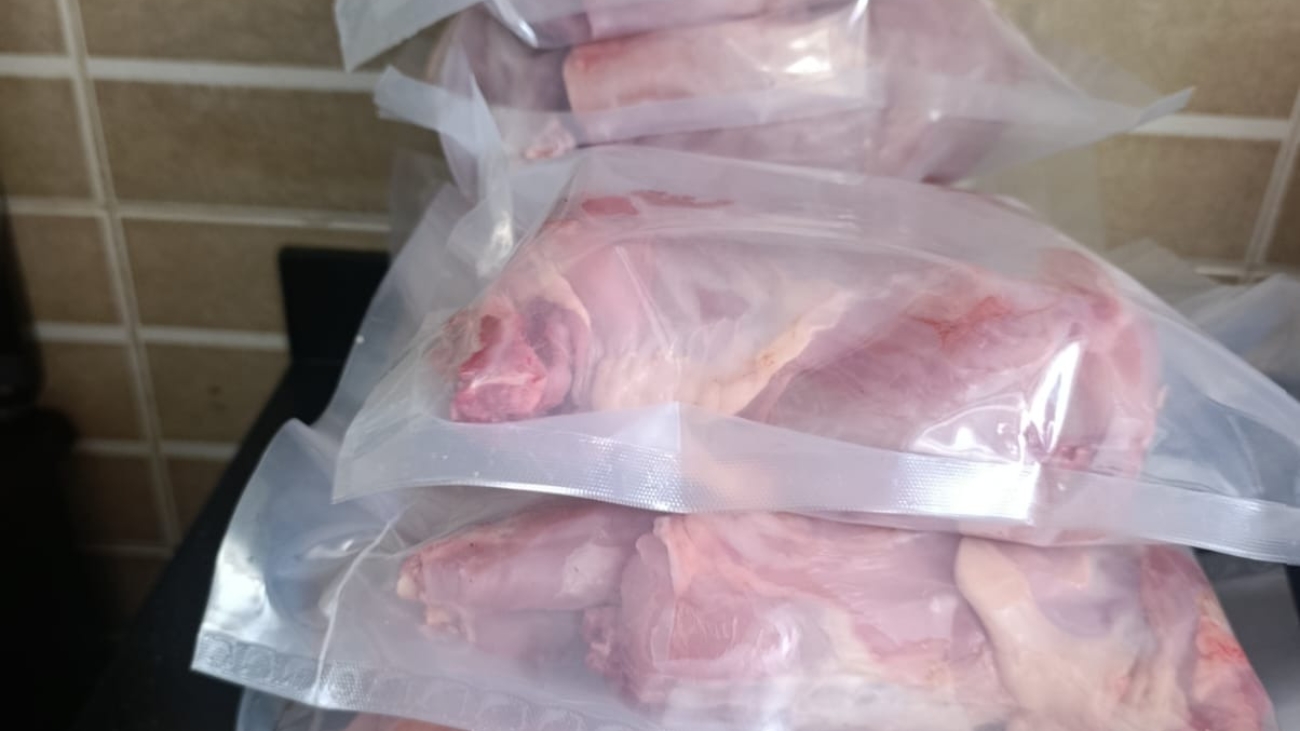
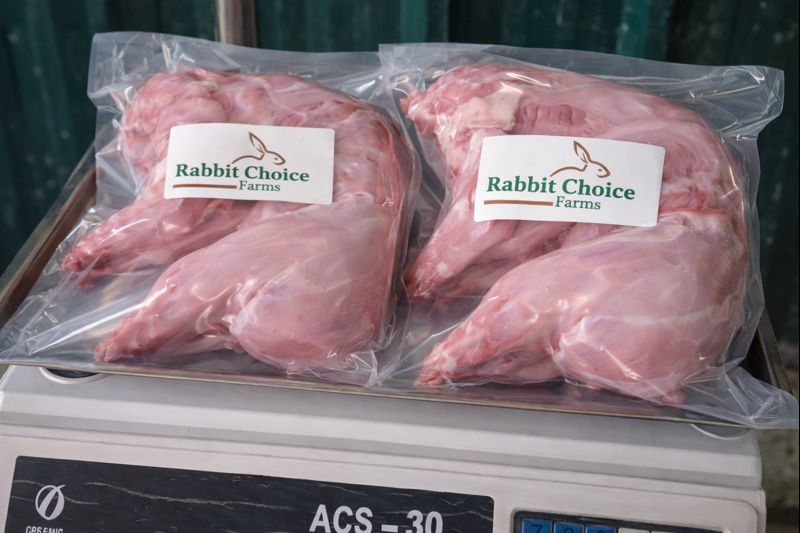
Packaged rabbit meat

Who is Rabbit Choice Farms Ltd?

Rabbit Choice Farms Ltd is a Kenyan agribusiness that works with hundreds of smallholder rabbit farmers to supply the market with clean, traceable, and hygienically processed rabbit meat.

What sets us apart:

  • Strong farmer network ensuring a consistent supply
  • Controlled processing with strict hygiene standards
  • Individually packaged rabbit meat for freshness
  • Focus on quality, food safety, and traceability
  • Growing consumer trust in our brand

By working with us, you create impact by supporting a farmer in a Kenyan village like Komuthai in Githunguri, or Meru, or Kangundo. 

Our Shop Location

Rabbit Choice Farms Ltd operates from Nairobi, with a physical shop on Thika road, near the Queen of Apostles Catholic Church. 

Our dispatch point allows for fast motorbike deliveries across the city and surrounding areas, ensuring your client gets their order within an hour if you place it before 5 PM on Mondays to Saturdays.

Why Rabbit Meat Is in High Demand

Rabbit meat fits perfectly into modern eating habits.

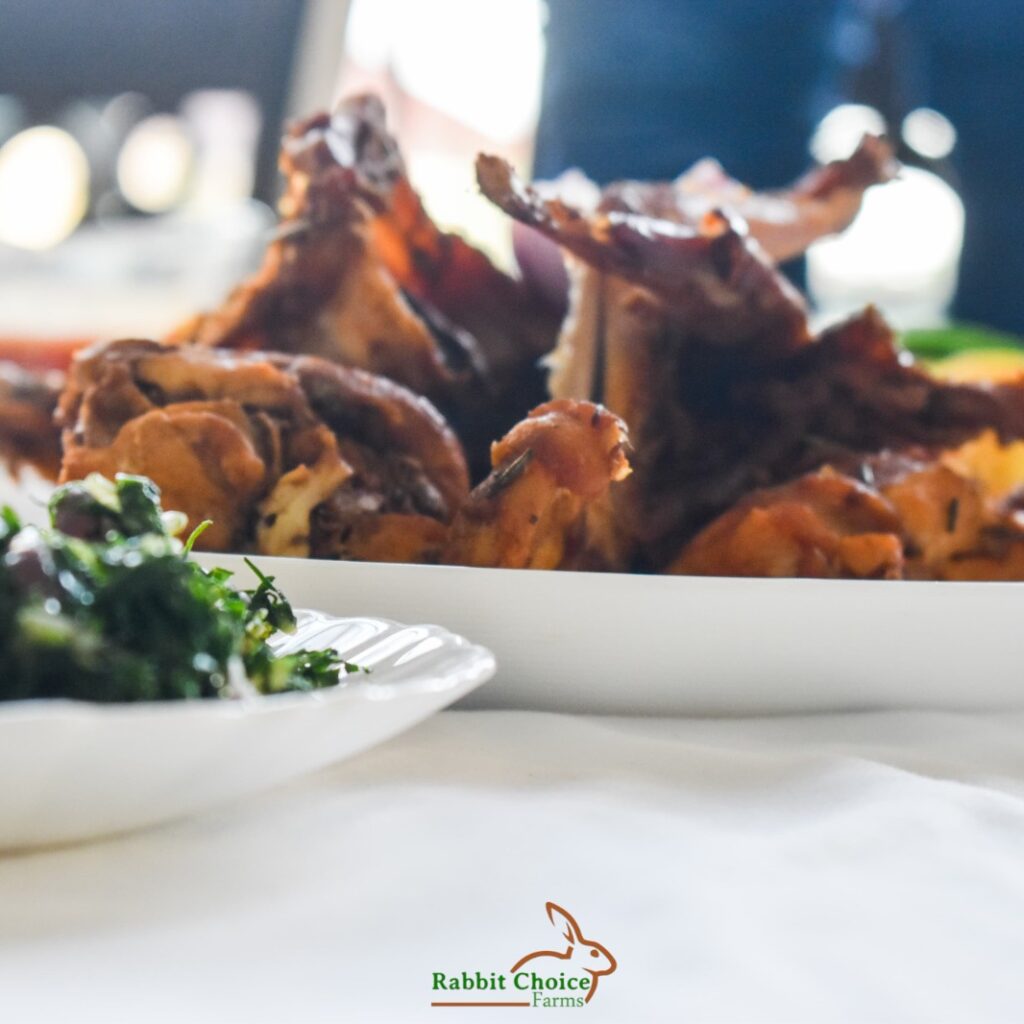
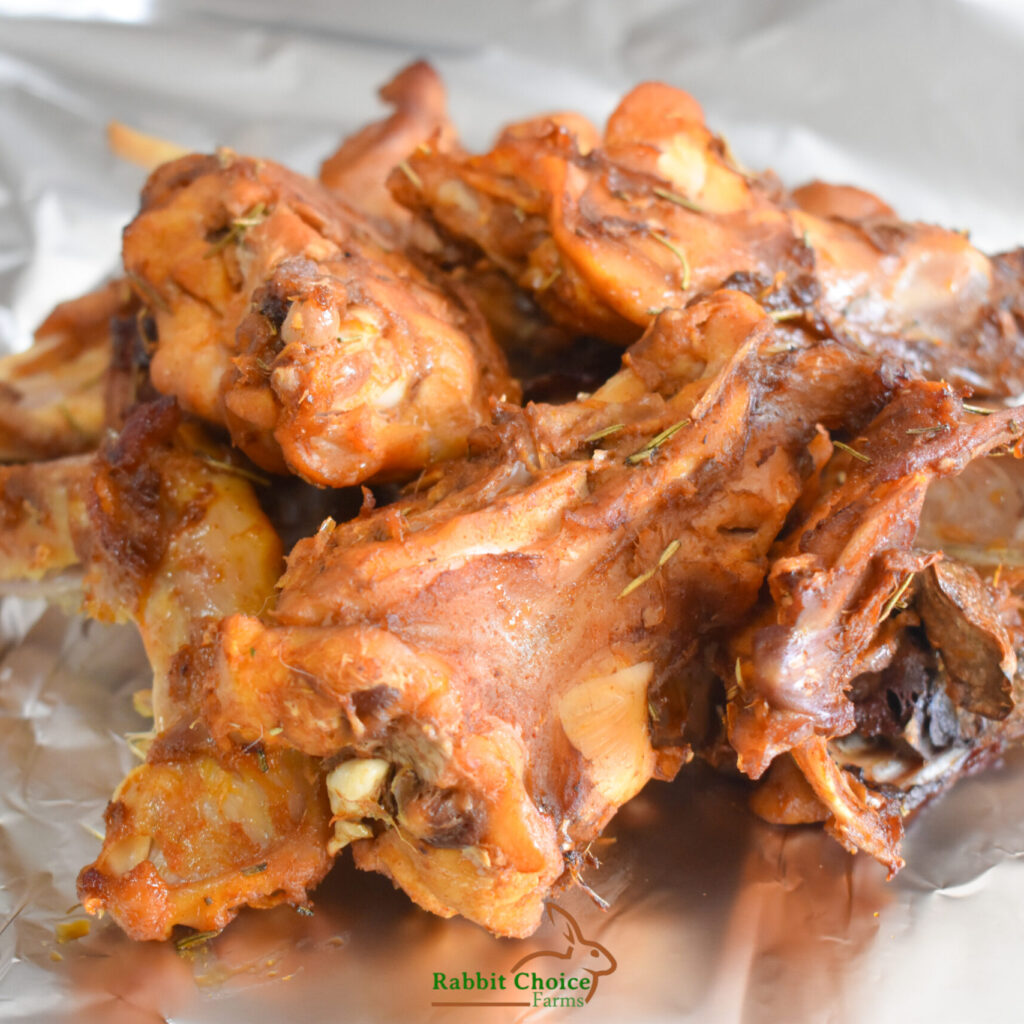
Cooked meat
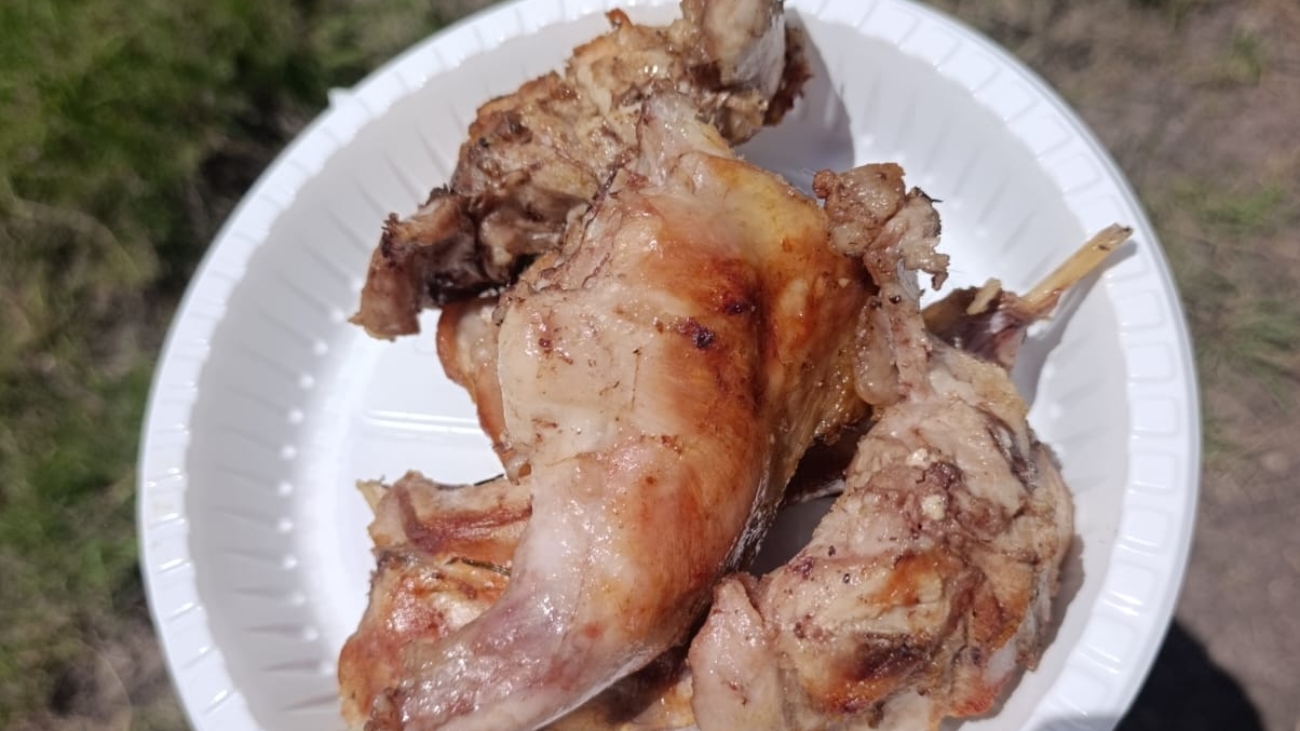
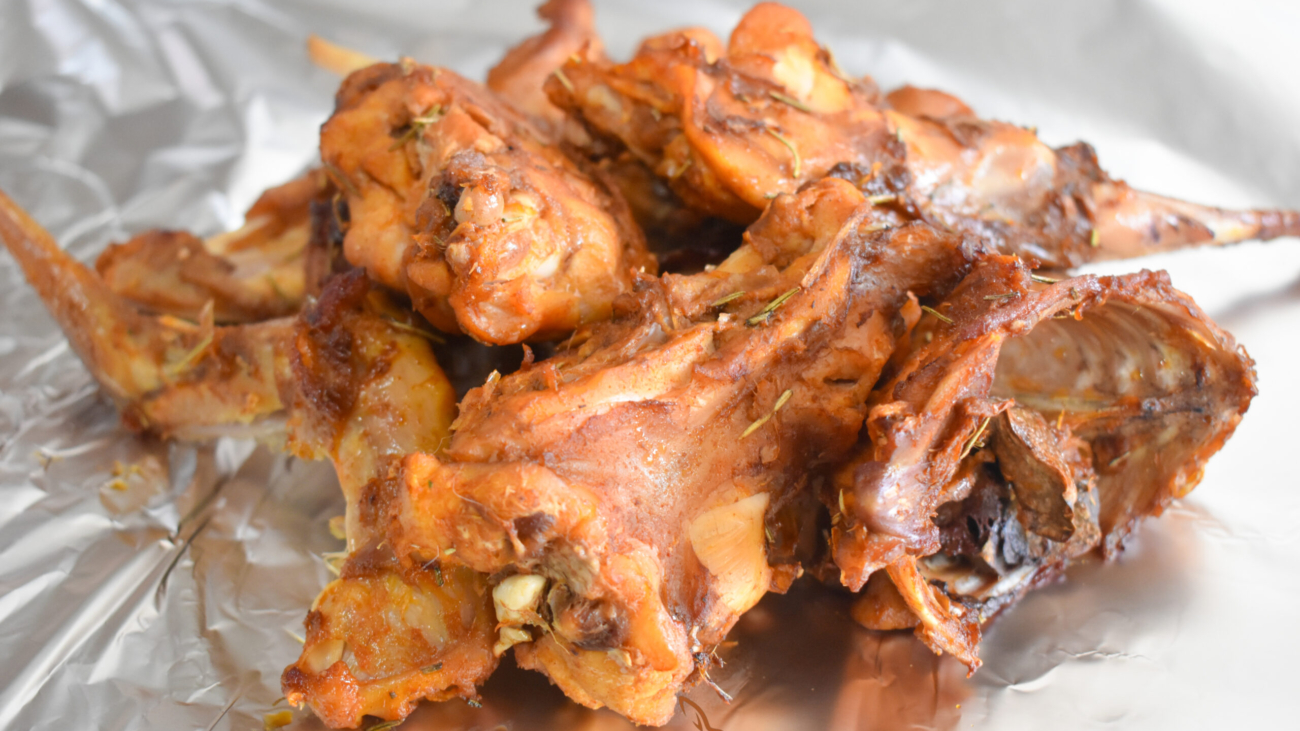
Roasted Rabbit Meat

Nutritional Benefits

Rabbit meat is:

  • Very low in fat
  • High in lean protein
  • Rich in B vitamins, iron, and phosphorus
  • Ideal for:
    • Fitness and gym lifestyles
    • Weight management diets
    • People who are reducing red meat intake
    • Anyone dealing with diabetes, hypertension, autoimmune conditions, or just looking to eat healthy

Popular with Young & Health-Conscious Consumers

Young professionals and Gen Z consumers are:

  • More open to alternative proteins
  • Actively seeking healthy food options
  • Influenced by food content on social media

Rabbit meat is seen as premium, modern, and healthy, making it easier to sell when well presented.

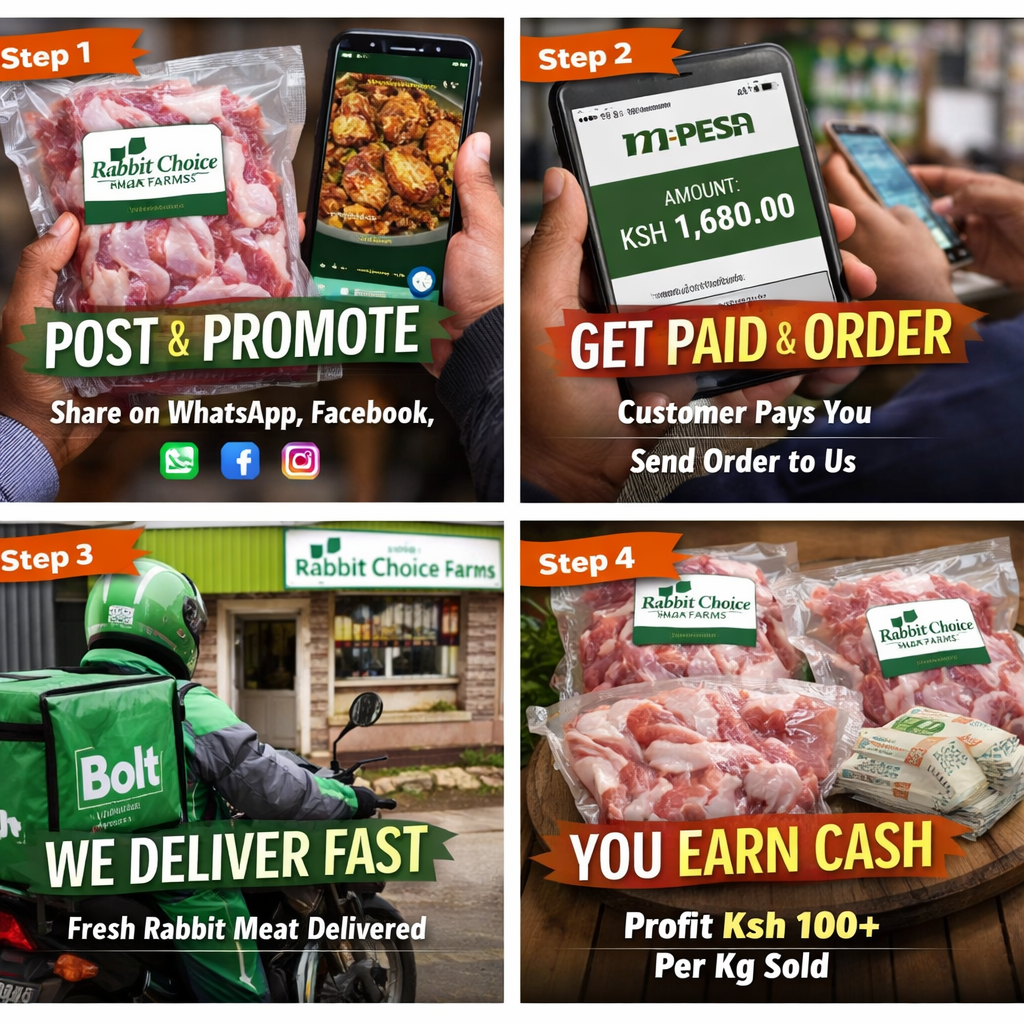
The Simple Dropshipping Model (No Online Store Needed)

This model is built for WhatsApp sellers and social media resellers.

Step 1: Promote Using Your Phone

You promote rabbit meat by sharing:

  • Our clear photos of packaged rabbit meat
  • Short videos (unboxing, cooking, frying, grilling)
  • Simple recipes and meal ideas
  • Health facts about rabbit meat

You can post on WhatsApp Status, WhatsApp Groups, Instagram & Facebook pages, TikTok (short cooking clips work very well)

Our marketing team can support you with product photos and basic content to get started.

Step 2: Customer Pays You

  • Customer messages you on WhatsApp
  • You confirm the number of kilos and the delivery location
  • The customer pays you directly via M-Pesa at the price you had indicated.

Step 3: You Order from Rabbit Choice Farms

  • You forward the order details to us
  • We confirm availability immediately
  • You pay for the order at our discounted wholesale price

Step 4: Fast Delivery via Motorbike

  • Delivery charges are confirmed using Bolt Boda
  • Meat is dispatched quickly from our Thika Road shop
  • Packaging maintains freshness during transport

Step 5: You Earn Per Kilo

  • Our Current retail price: Ksh 840 per kg
  • Attractive wholesale price for partners
  • You earn at least Ksh 100 per kg sold
  • No losses, no spoilage, no storage costs

How to Promote Rabbit Meat Effectively (What Actually Sells)

Our successful partners don’t just post once; they educate and inspire frequently. The average customer orders 3 kgs of rabbit meat, so you just need 4-5 orders per day to make ksh. 1000, without even leaving your door.

Content Ideas That Work

  • Photos of raw packaged meat
  • Cooking videos (stew, fry, grill)
  • Before-and-after cooking photos
  • Simple captions like: “Low fat, high protein. Perfect for gym meals.” “Healthy meat”
  • Testimonials from repeat customers

People buy what they can see, understand, and imagine eating.

What if I Already Own a Business?

If you run a business like a butchery or grocery store, you can become a distributor. We are currently expanding our reseller network in most Nairobi estates, but we have a preference for:

Kilimani, Thika, Juja, Thindigua, and Kitengela. We’re also open to butcheries in Mombasa, Nanyuki, and Nakuru

Get Started!

Ready to earn money from your social network? Fill up this short form. https://forms.gle/mtxdRZXWrPmtnNPH9

After filling it up, text Drop shipper to +254715 626955 / +254762 688055

Cooked meat

Easy Rabbit Meat Recipes For Kenyans- Roasted and Fried

When it comes to healthy and flavorful dishes, rabbit meat deserves a spot on your table. Rabbit meat is not only tender and delicious but also incredibly lean, packed with protein, and low in cholesterol, making it a perfect choice for those seeking a nutritious alternative to traditional meats.

At Rabbit Choice Farms, we don’t just provide you with premium-quality rabbit meat; we also empower individuals to venture into rabbit farming through expert consultancy. Whether you’re a culinary enthusiast eager to try a new recipe or someone considering sustainable farming opportunities, we’re here to guide you.

To order our top-quality rabbit meat, or reach out to us to learn how you can start your own rabbit farming journey, contact us today.

Here are two different ways you can cook your rabbit meat:

Recipe for Roasted Rabbit

Ingredients:

  • 1 rabbit (cleaned and cut into pieces)
  • 2 tablespoons cooking oil
  • 2 cloves garlic, grated
  • 1 piece ginger, grated
  • 1 teaspoon rosemary
  • 1 teaspoon salt
  • 1/2 teaspoon white pepper
  • 1/2 teaspoon paprika
  • 1 lemon or lime (optional)
  • 1 onion, sliced into rings (optional)

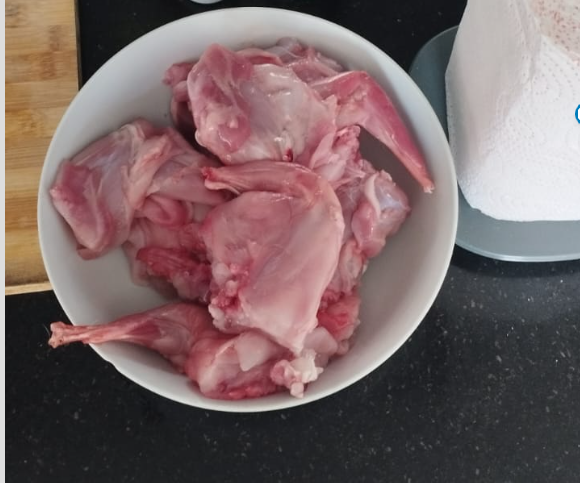
Clean rabbit meat from Rabbit Choice Farms

Instructions:

  1. Clean and cut the rabbit into manageable pieces.
  2. In a bowl, mix cooking oil, garlic, ginger, rosemary, salt, white pepper, and paprika.
  3. Add lemon or lime juice to the marinade for a tangy flavor, if desired.
  4. Pour the marinade over the rabbit pieces and coat evenly.
  5. Cover with cling film and let it marinate for at least 1 hour or up to 6 hours in the fridge.
  6. Preheat the oven to 170°C.
  7. Arrange the marinated rabbit pieces and onion rings (if using) on a baking tray.
  8. Roast for 40–50 minutes, turning the pieces halfway through.
  9. Check for doneness by ensuring the juices run clear or the internal temperature reaches 75°C.
  10. Serve hot with ugali, potatoes, or your favorite side dish.
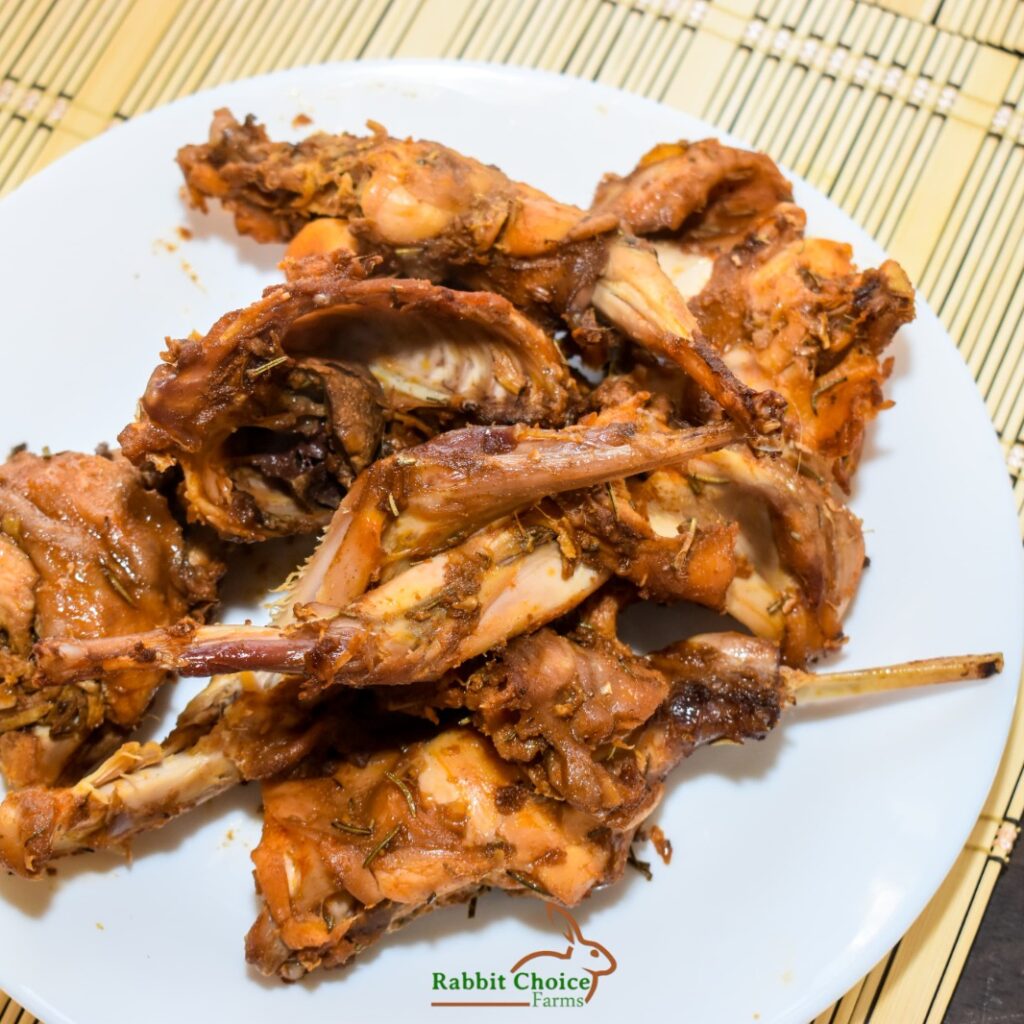
Roasted rabbit on a plate

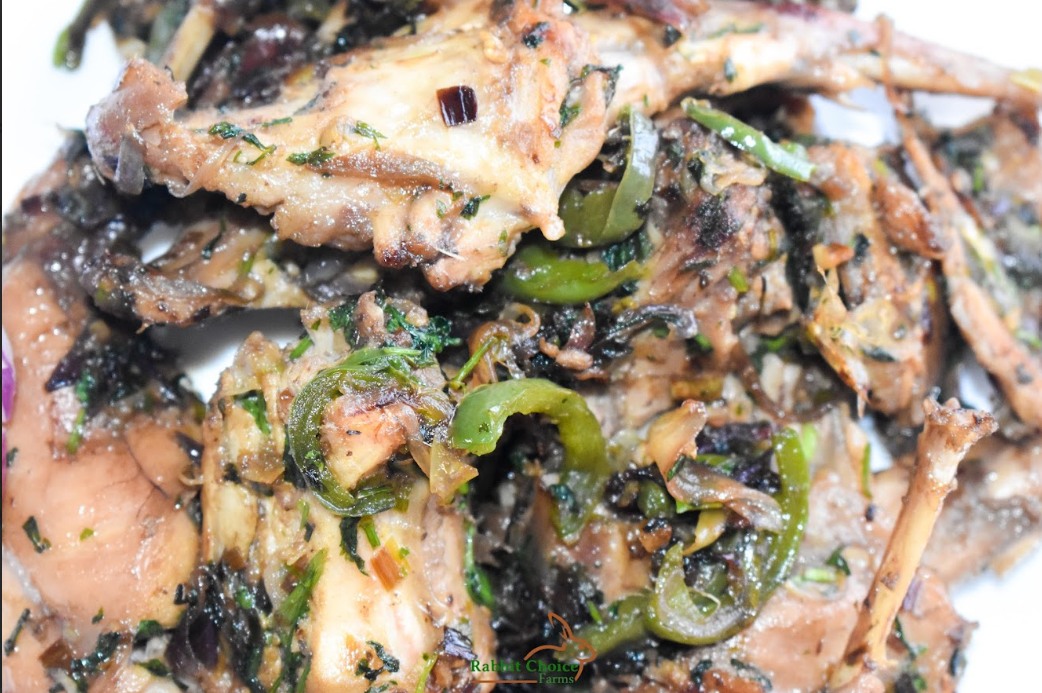
Recipe for Dry-Fried Rabbit

Ingredients

  • 1 rabbit (cleaned and cut into pieces)
  • 2 onions, finely sliced
  • 1 green bell pepper, diced
  • 2 bay leaves
  • 2 cloves garlic, minced
  • 1 piece ginger, minced
  • 1 teaspoon white pepper
  • Salt to taste
  • 2 tablespoons cooking oil
  • Fresh coriander (chopped, for garnish)
Rabbit meat in kenya

Instructions

  1. Cut the rabbit into manageable pieces.
  2. Boil the rabbit in water with onions, garlic, ginger, salt, white pepper, and bay leaves until tender, then drain.
  3. Alternatively, season the rabbit with salt and white pepper, heat 1 tablespoon of oil in a frying pan, and fry the pieces until golden brown on all sides (8–10 minutes), then set aside.
  4. In the same pan, heat 1 tablespoon of oil and sauté onions, garlic, and ginger until golden brown and tender.
  5. Add the green bell pepper and cook for 2–3 minutes.
  6. Return the rabbit to the pan, mix well, and season with your preferred spices.
  7. Adjust the seasoning to taste, cover, and simmer for 5 minutes.
  8. Garnish with fresh coriander and serve hot with ugali, rice, or your favorite side dish.
Cooked dry fry rabbit
Roasted rabbit, ugali and veges

Read on

What Do I Need to Create a Commercial Rabbit Farm in Kenya?

5 Reasons Why Farming Rabbits is Easier and Better Than Farming Other Animals