Rabbit farming profit

Is Rabbit Farming Profitable in Kenya? Full Cost and Profit Breakdown

Rabbit farming can be profitable in Kenya when well managed and costs are controlled. With relatively low space requirements, moderate startup capital, and fast reproduction cycles, rabbits offer a practical entry point into livestock farming.

Based on typical production assumptions, a farmer starting with 10 does can begin making sales around month five, recover their initial investment in about a year, and generate consistent monthly income thereafter. Scaling up increases total returns, as revenue grows in proportion to the number of breeding does.

This guide breaks down:

  • Startup costs (breeding stock and cages)
  • Monthly running costs (mainly feed)
  • Income projections at three scales: 10, 20, and 50 does

You Don’t Have to Figure This Out Alone: What Rabbit Choice Farms Offers

One of the most common reasons farmers fail to get started or fail to scale  is that they try to piece together the operation from scratch: sourcing breeders from unknown suppliers, building cages without guidance, and selling meat with no guaranteed market. Rabbit Choice Farms exists to remove every one of those obstacles.

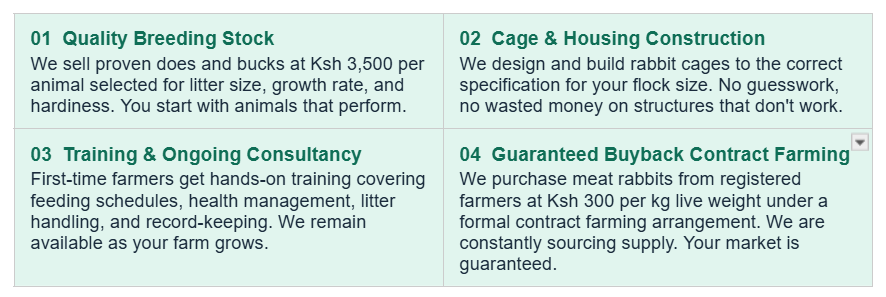
We offer a complete end-to-end service for rabbit farmers at every stage:

Whether you are planning your first 10 does or scaling to a 50-doe commercial operation, you do not need to start from zero. Contact us before you spend a single shilling and we will help you plan the right farm for your space, budget, and income targets.

Guaranteed market for your rabbits. Rabbit Choice Farms operates a contract farming programme. Once registered, you are guaranteed a buyer for every meat rabbit you produce at Ksh 300 per kg live weight, collected directly from your farm. We are constantly sourcing supply and the demand for rabbit meat in Nairobi consistently outstrips what local farmers produce. Your output has a home before your first doe even kindles.
What Does It Cost to Start a Rabbit Farm in Kenya?

Your startup costs fall into two categories: breeding stock and cages. Both are one-time capital outlays after that, your running costs are primarily feed.

  1. Breeding Stock

Purchase your does and bucks from a reputable supplier. Rabbit Choice Farms sells quality breeders at Ksh.3,500 per animal. The correct buck-to-doe ratio is 1:5 – one buck can service five does efficiently. Overstocking bucks is one of the most common and easily avoidable startup mistakes.

  1. Cage Construction

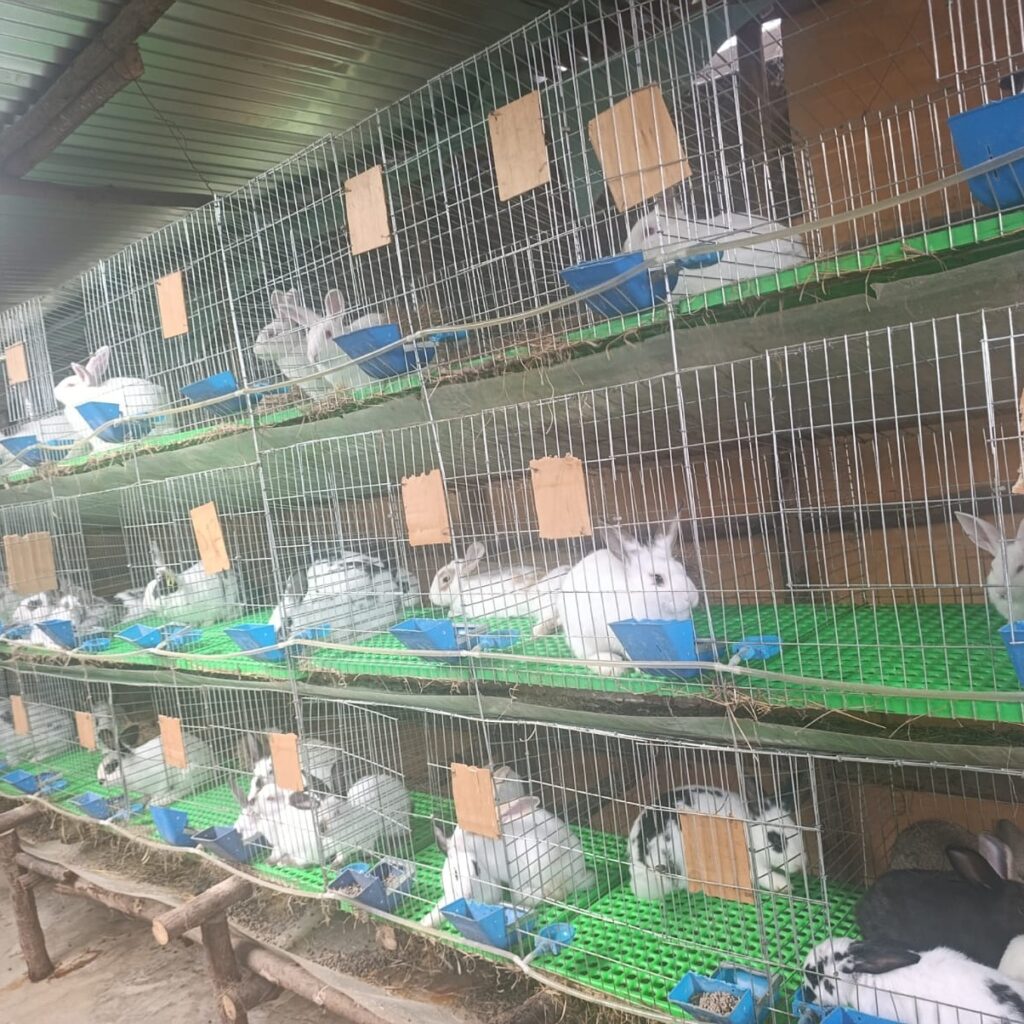
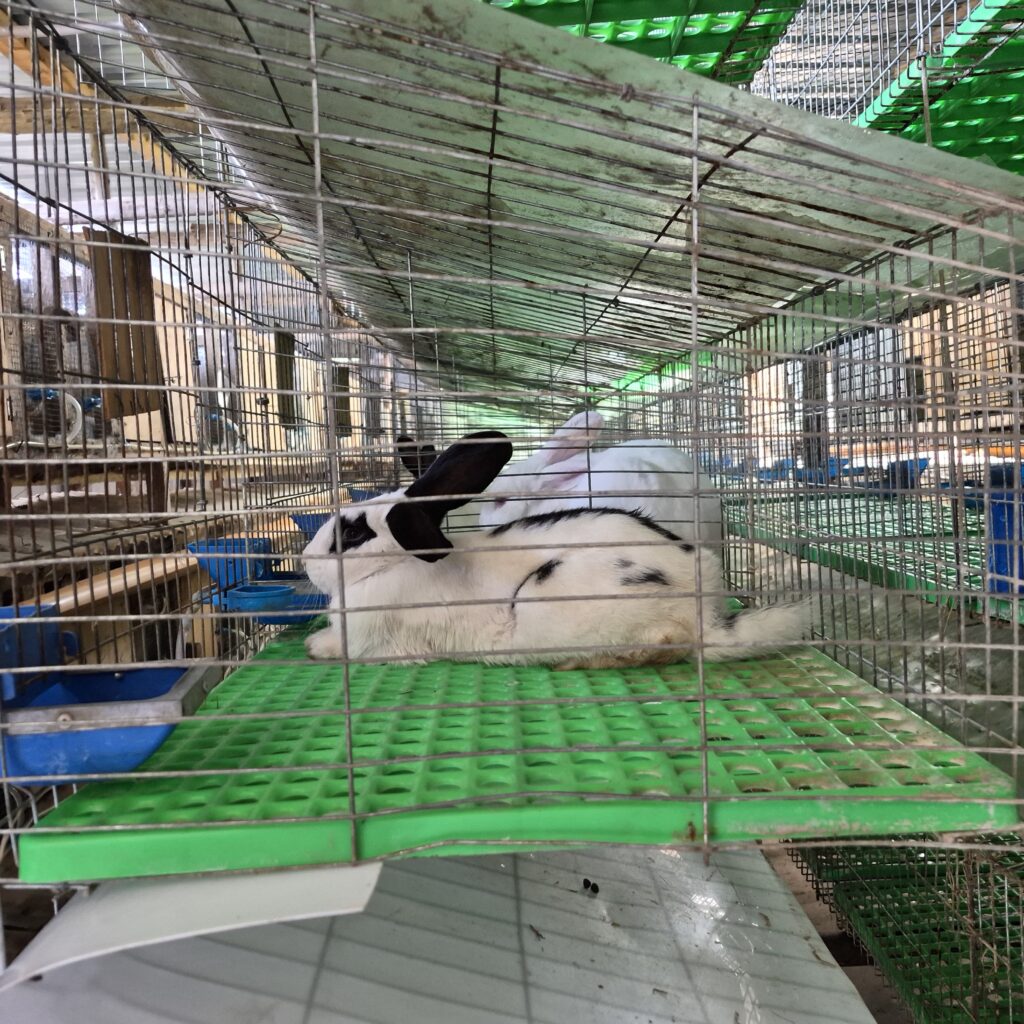
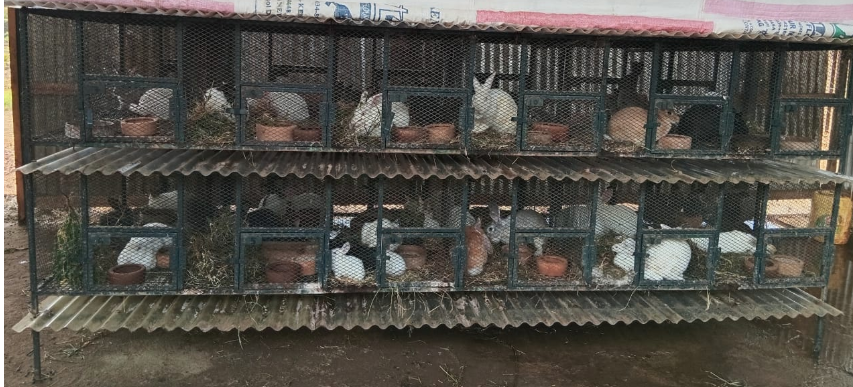
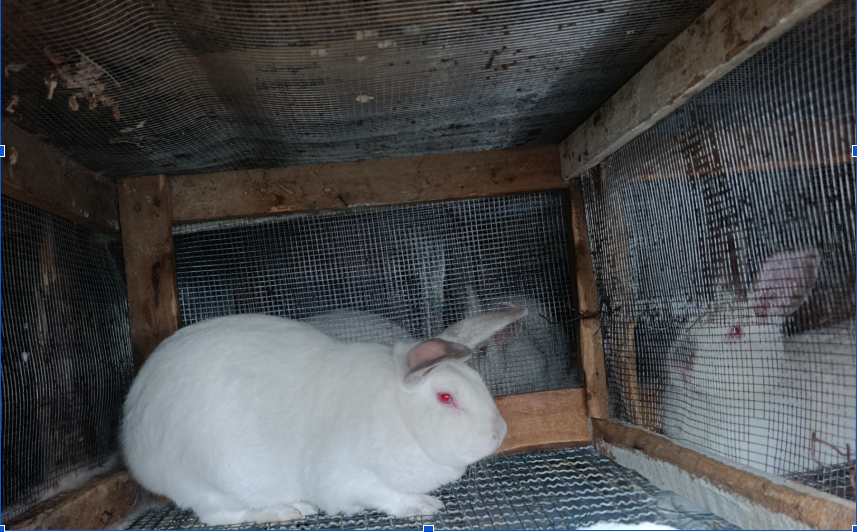
Each doe needs 3 cages, one for the doe herself, one for the growing kits, and one spare for rotation when she kindles again. Each buck needs 1 cage. Budget Ksh 3,600 per cage. A well-constructed cage lasts up to 5 years with minimal repairs. Rabbit Choice Farms can design and build these to the correct specification for your flock size.

  1. Small Equipment

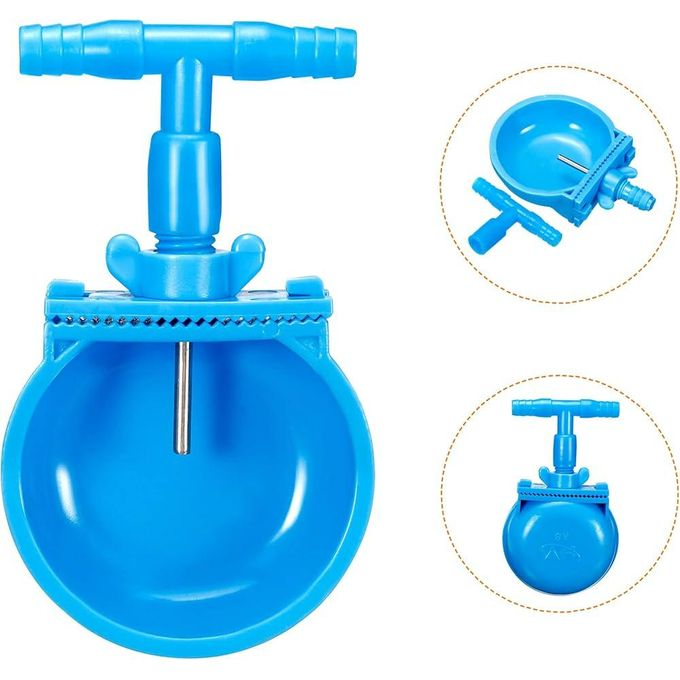
Beyond cages, each hutch needs a feeding pot and a drinker. Quality rabbit feeders and drinkers are a modest but necessary purchase poorly designed equipment leads to feed wastage and contaminated water, both of which affect growth rates. Factor these into your initial budget alongside the cage cost.

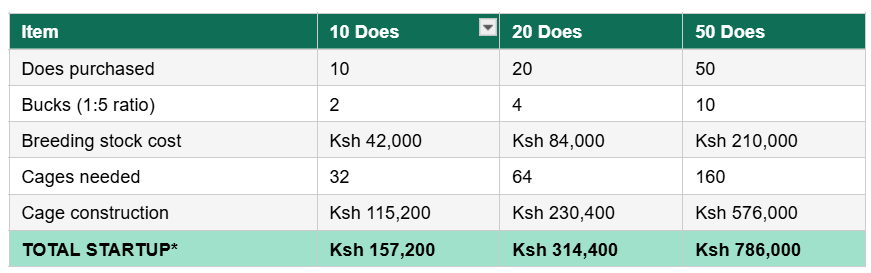
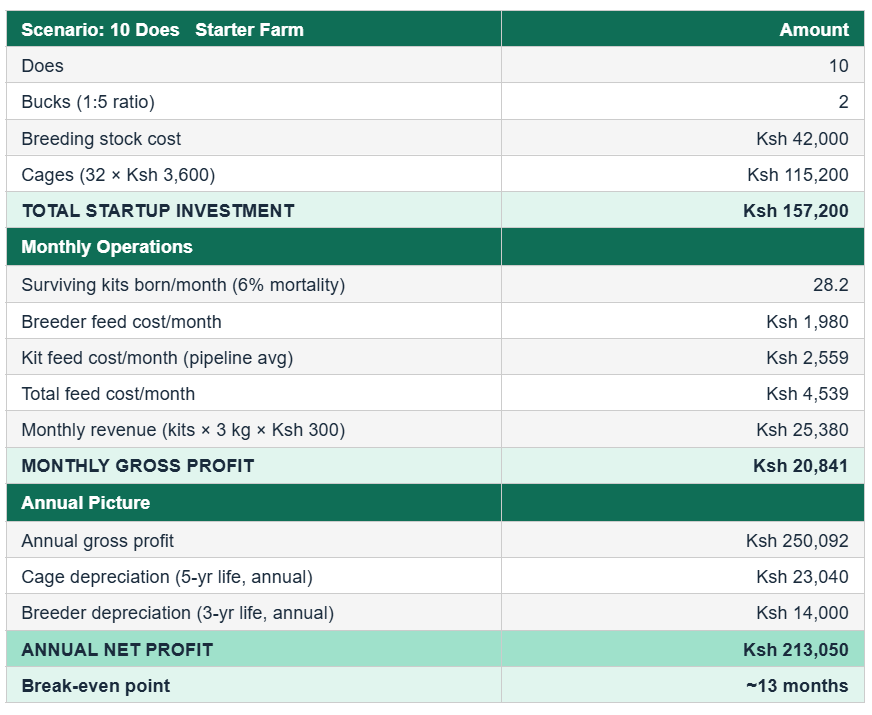
Here is what the startup investment looks like at three common farm sizes:

* Excludes feeders, drinkers, and disease management kit. Budget an additional Ksh 2,000–5,000 depending on farm size.

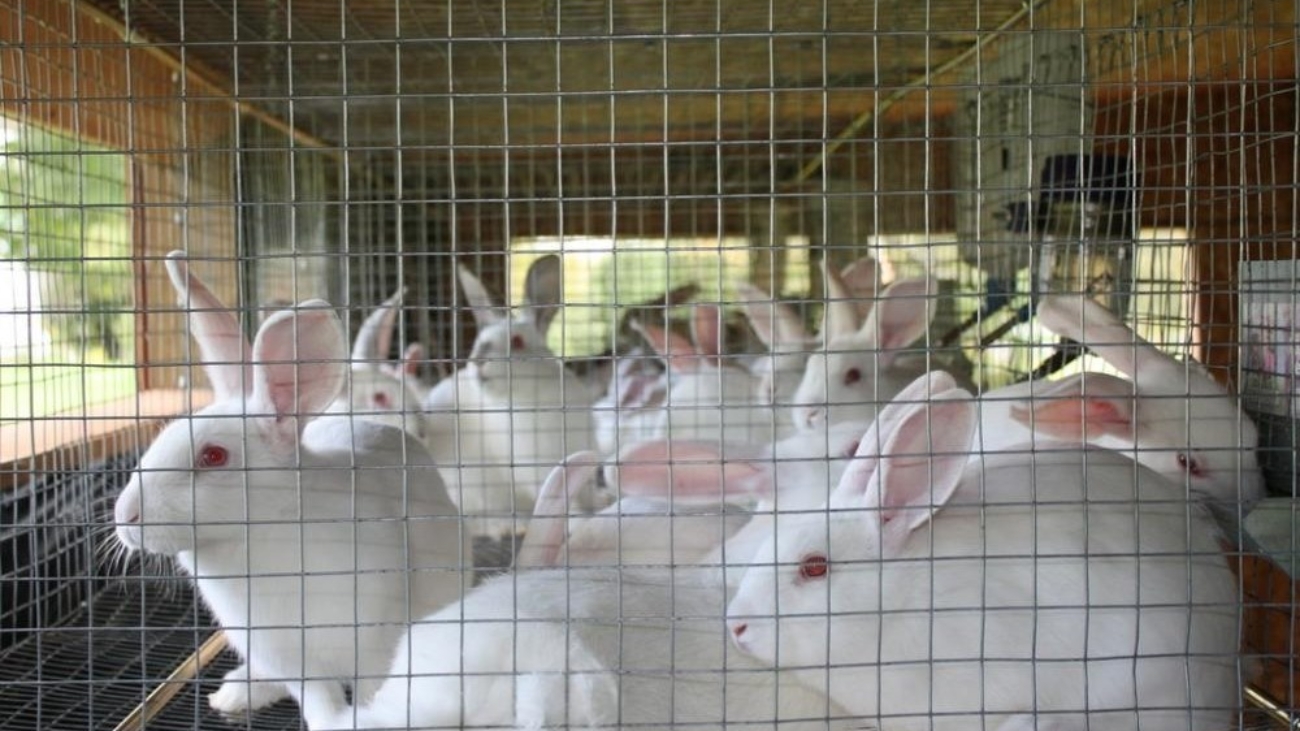
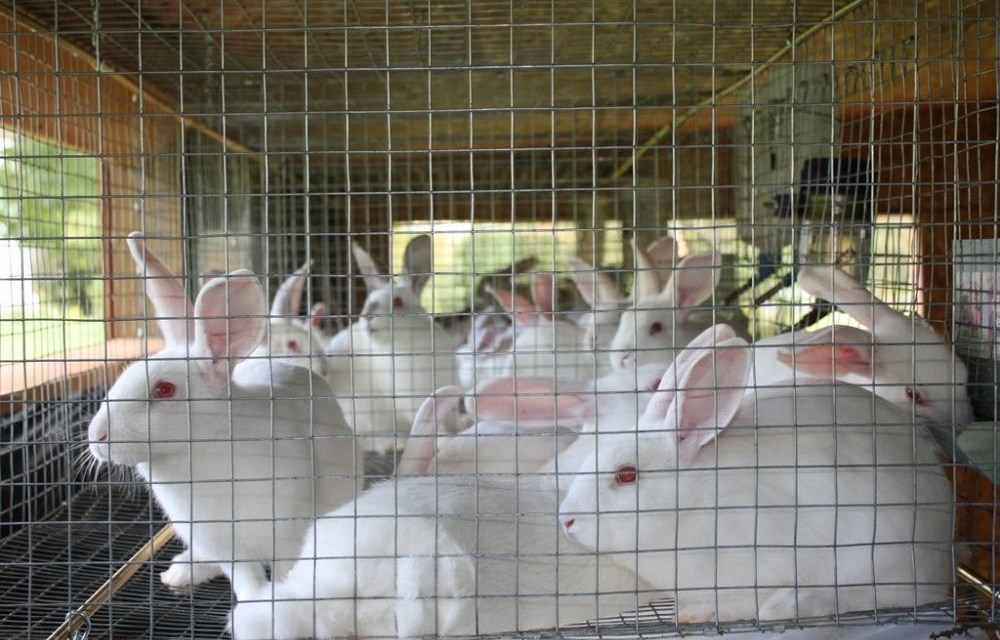
Note on spaceA 10-doe operation needs no more land than a typical Nairobi backyard. Using stacked cages, 32 cages fit comfortably in a 4×4 metre structure. You do not need agricultural land  rabbit farming is viable in urban backyards and peri-urban plots.

Monthly Running Costs: What You Pay to Keep the Farm Going

Feed is your biggest, ongoing cost, and it is straightforward to calculate. Rabbits eat pelleted feed supplemented with hay.

  1. Breeder Feed

A mature doe or buck eats 100g of pellets per day. At Ksh 55 per kg, that is Ksh 165 per breeder per month. For a 10-doe farm with 2 bucks, monthly breeder feed costs Ksh 1,980.

  1. Kit Feed

Kits spend their first month nursing– no pellet cost. From month two, feed intake rises progressively: 25g per day in month two, 45g per day in month three, then 75g per day through to sale at month five. The average feed cost per kit across its four feeding months is approximately Ksh 363.

  1. Hay

A bale of hay costs Ksh 250 and lasts several days across your cage population. It is a minor cost but important, hay makes upto 75% of the rabbit feed. It supports gut health and keeps feed conversion efficient.

  1. Labour

This is where rabbit farming stands apart from other livestock. Feeding, cleaning, and health checks for a 20-doe farm take under 2 hours per day. No specialist skills, no hired hands at a small scale. The work is suitable for family members and can run alongside a full-time job or other farming activities. 

We recommend hiring a full-time employee for farms with 100 or more breeders.

  1. Veterinary and Disease Management

Rabbits are hardy. With proper cage hygiene and a balanced diet, disease incidence is low. That said, a basic disease management kit is an essential part of your setup. This should include a multivitamin supplement, a dewormer, and a broad-spectrum antibiotic for emergency use. 

Rabbit Choice Farms advises all registered farmers on what to keep on hand and how to use it. Budget a contingency of Ksh 500–1,000 per month in the early months; experienced farmers often spend nothing here for months at a time.

How Much Money Can You Make? The Income Model Explained

Before the scenario tables, here is the logic so the numbers make sense:

  • Each doe gives birth every 2 months, producing an average of 6 kits per litter.
  • Applying a realistic 6% mortality rate, approximately 5.64 kits per doe survive to sale age per litter.
  • Kits are sold at 5 months old, at approximately 3 kg live weight.
  • Rabbit Choice Farms purchases from registered contract farmers at Ksh 300 per kg live weight   Ksh 900 per kit.
  • Because litters are born on a rolling 2-month cycle, income flows every month, not once a season.

The depreciation figures account for cage replacement (5-year life) and breeder restocking (3-year productive life)  costs that matter for accurate profit calculation.

Scenario A: 10 Does (Starter Farm)

This is the ideal entry point for a first-time rabbit farmer. The capital requirement is manageable, the daily workload is light, and you will have a clear operational picture before considering any expansion.

At 10 does, your farm generates Ksh 25,380 in monthly revenue against Ksh 4,539 in feed costs   a gross profit of Ksh 20,841 per month. After accounting for annual depreciation on cages and breeding stock, you clear Ksh 213,050 in annual net profit. Your full startup investment of KSh 157,200 is recovered in approximately 13 months.

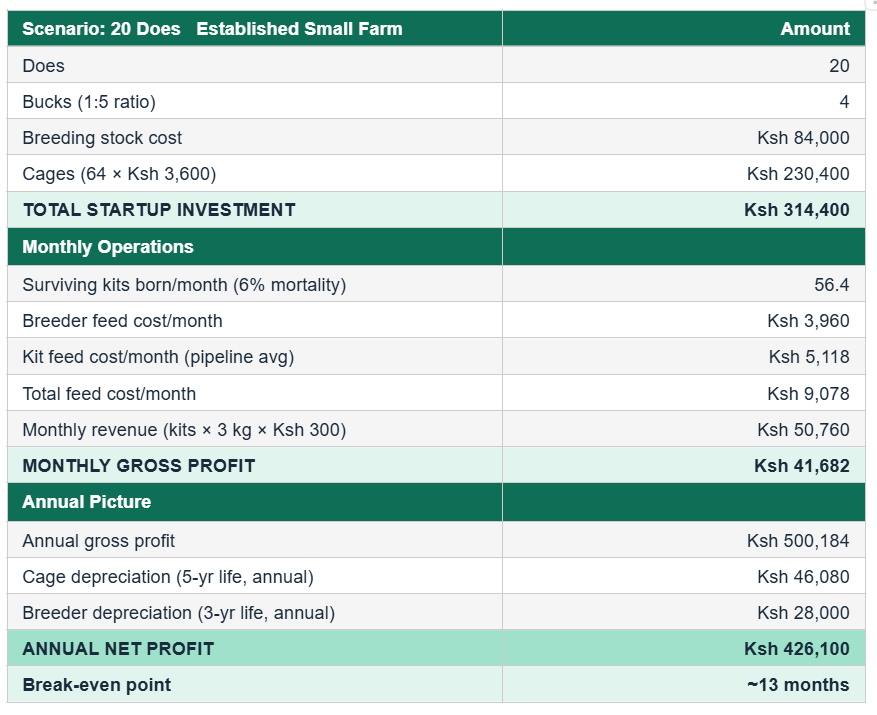
Scenario B: 20 Does (Established Small Farm)

Twenty does is where rabbit farming starts to feel like a serious business. The income is meaningful enough to cover household expenses or fund further expansion, and the workload remains manageable for one person part-time.

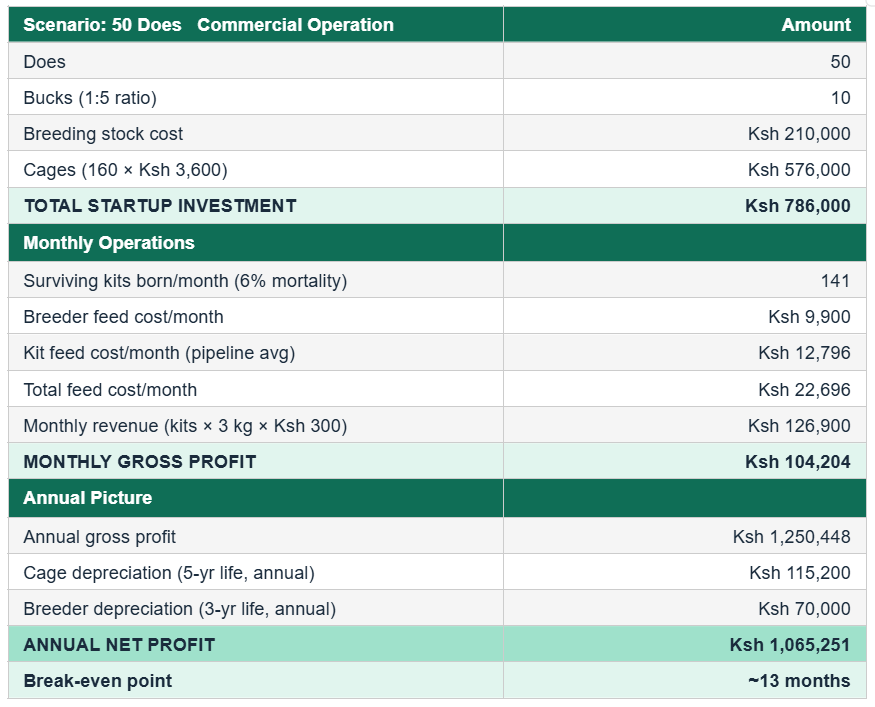
Scenario C: 50 Does (Commercial Operation)

At 50 does, this is a full commercial rabbit farm. You will need part-time help for feeding and daily management, but the economics are compelling. 

Why Rabbit Farming Works for Kenyan Farmers

The income projections above are only part of the story. The structural advantages of rabbit farming are what make those numbers achievable in practice.

  • Minimal Space Requirements– Rabbits live in stacked cages, not open pasture. A 50-doe commercial operation can run from a structure the size of a large room. This makes rabbit farming viable for urban and peri-urban farmers with no land, something dairy or beef cattle production can never offer.
  • Low Labour Demand. Feeding and daily checks for a 20-doe farm take under 2 hours per day. The work does not require physical strength, specialist training, or constant supervision. Farmers run successful rabbit operations alongside full-time employment. Families manage them as a joint household enterprise. Few other livestock businesses offer this flexibility.
  • Hardy Animals, Low Veterinary Bills– Rabbits are naturally resilient animals. Unlike poultry, which are vulnerable to devastating disease outbreaks, well-managed rabbits rarely fall ill. Clean cages, proper feeding, and a basic disease management kit are the main health inputs. The 6% mortality assumption in the projections above is deliberately conservative; many farmers do better.
  • Fast Cash Flow– A doe produces kits every 2 months. Those kits are ready for sale at 5 months. From the moment your first doe kindles, you are 5 months from your first revenue, and after that, money comes in every month on a rolling cycle. Rabbit farming does not tie up capital for years before returning meaningful income.
  • Easy to Handle and Scale– No dangerous animals. No heavy equipment. No specialised infrastructure. A first-time farmer can learn the basics in a single farm visit with Rabbit Choice Farms and be fully operational within weeks. When you are ready to scale, you add more cages and buy more breeders since the system is linear and predictable.

Frequently Asked Questions

Yes, it can be profitable with proper management. A small farm can generate a steady monthly income after the initial setup period. The key to profitability is managing feed costs carefully, maintaining consistent litter production, and having a guaranteed market for your output, which Rabbit Choice Farms’ contract farming programme provides.

Beyond cages and breeding stock, every rabbit farm needs feeding pots and drinkers for each hutch. Purpose-made rabbit feeders prevent feed wastage and keep water clean. 

You also need a basic disease management kit: a multivitamin supplement to support immunity, a dewormer to be used regularly to control internal parasites, and an antibiotic on hand for bacterial infections. Rabbit Choice Farms supplies guidance on the correct products and dosages when you purchase your breeders.

A productive doe gives birth approximately every 2 months, producing an average of 6 kits per litter. That is around 36 kits per doe per year before mortality. Applying a 6% mortality rate, a farmer can realistically expect approximately 34 kits per doe to reach sale age each year.

Rabbit Choice Farms buys directly from farmers, a guaranteed offtake market that removes the guesswork from sales. The rabbits have to be hybrid, healthy, kept in self-cleaning cages, and fed on dry matter like rabbit pellets and hay. The minimum weight we take per rabbit is 2.5 kg.

Demand for rabbit meat in Nairobi is growing and consistently outstrips local supply, which is why the contract farming programme exists. Outside of Rabbit Choice Farms, other sales channels include local butcheries, direct consumer sales, and hotels and restaurants catering to health-conscious diners.

What do Rabbits Eat?

Commercial rabbits are fed a combination of pelleted feed and hay, both of which play different but essential roles in their nutrition.

  • Hay should make up about 70–75% of a rabbit’s diet and must be available at all times. It supports digestion, prevents gut-related diseases, and improves overall feed efficiency. Rabbits should have constant access to clean, dry hay throughout the day.
  • Pellets provide concentrated nutrients such as protein, vitamins, and minerals. In Kenya, pellets cost approximately KSh 55 per kg. A mature breeder consumes about 100g of pellets per day.
  • Kits begin eating pellets from their second month, with intake increasing gradually:
    • Month 2: ~25g/day
    • Month 3: ~45g/day
    • Month 4–5: ~75g/day
  • Clean drinking water must also be available at all times. Continuous access to fresh water is critical for feed digestion, growth, and overall health.

A consistent feeding routine with unlimited hay, measured pellets, and constant clean water is key to maintaining healthy rabbits and achieving good growth rates.

How much space do I need to start a rabbit farm?

Rabbit farming requires relatively little space compared to other livestock because rabbits are kept in cages rather than on open land.

A standard rabbit cage measures approximately 2 feet wide × 2.5 feet long × 2 feet high, which is sufficient for one adult rabbit. These cages are designed for easy feeding, cleaning, and proper movement.

To maximize space, cages are typically stacked vertically in 2 or 3 tiers. This allows multiple cages to occupy the same floor area, making it possible to run a larger operation within a small structure.

  • A 10-doe setup (32 cages) can fit within a 4×4 metre structure using a two-tier stacked system.
  • A 50-doe commercial setup can operate within a space roughly equivalent to a large room or small shed, depending on layout and stacking.

Because of this efficient use of space, rabbit farming can be done in urban backyards, small compounds, and peri-urban areas. The key requirements are good ventilation, proper hygiene, and protection from rain, heat, and wind.

Does Rabbit Choice Farms offer training for new rabbit farmers?

Yes. Rabbit Choice Farms provides hands-on training for all farmers who purchase breeders from us, covering feeding schedules, health management, litter handling, record-keeping, and cage hygiene. We also offer ongoing consultancy as your farm grows. Our goal is for every farmer we work with to run a profitable, sustainable operation because the better you do, the more supply we receive.

Ready to Start? Here’s Your Next Step

Rabbit farming in Kenya can be a practical and profitable venture when it is set up correctly. As shown in this guide, it is possible to start small, recover your investment within a reasonable time, and scale gradually into a reliable source of income.

In most cases, the difference between success and struggle comes down to three things:

  • Starting with the right breeding stock
  • Setting up proper housing
  • Having a clear plan for production and sales

Getting these right from the beginning saves time, money, and costly mistakes.

If you are considering starting or want to improve an existing setup, you are welcome to visit us for a free consultation. We can walk you through the practical requirements, help you plan your setup based on your space and budget, and answer any questions you may have.

Starting with the right information makes all the difference. Feel free to reach out or stop by. We are happy to help you get it right from day one.

Visit us at: Total Ruaraka Mall, Thika Road (opposite Safari Park Hotel), Nairobi
Call or WhatsApp: 0715 626 955

Read on

How to Choose the Best Rabbit Breeds for Commercial Rabbit Farming

My Rabbit Just Gave Birth, What Should I Do?

is Rabbit meat good for hypertension

Is Rabbit Meat Good for High Blood Pressure? Scientific Evidence and Health Benefits

We all know a friend or family member who is dealing with high blood pressure (hypertension). The World Health Organization reports that approximatly 24%–29% among adults aged 18–69 in Kenya are affected by the condition.

One of the most effective ways to manage blood pressure is through dietary changes, especially choosing lean protein sources that contain less saturated fat and cholesterol.

Rabbit meat is increasingly being recognized by nutritionists and researchers as a healthy alternative to many traditional meats. Scientific studies show that rabbit meat has a unique nutritional profile that supports heart health, weight management, and metabolic balance.

This article examines what research says about rabbit meat and its potential benefits for people with high blood pressure, diabetes, and food sensitivities.

Order rabbit meat now and get instant delivery

Why is Rabbit Meat Good for Different Medical Conditions?

What if one type of meat could fit into multiple therapeutic diets at once? Thanks to its lean protein, low sodium, and heart-friendly fat profile, rabbit meat is often considered a versatile option for people managing several medical conditions.

1. Rabbit Meat Is Naturally Low in Fat

One of the main dietary factors associated with high blood pressure and heart disease is excess saturated fat consumption.

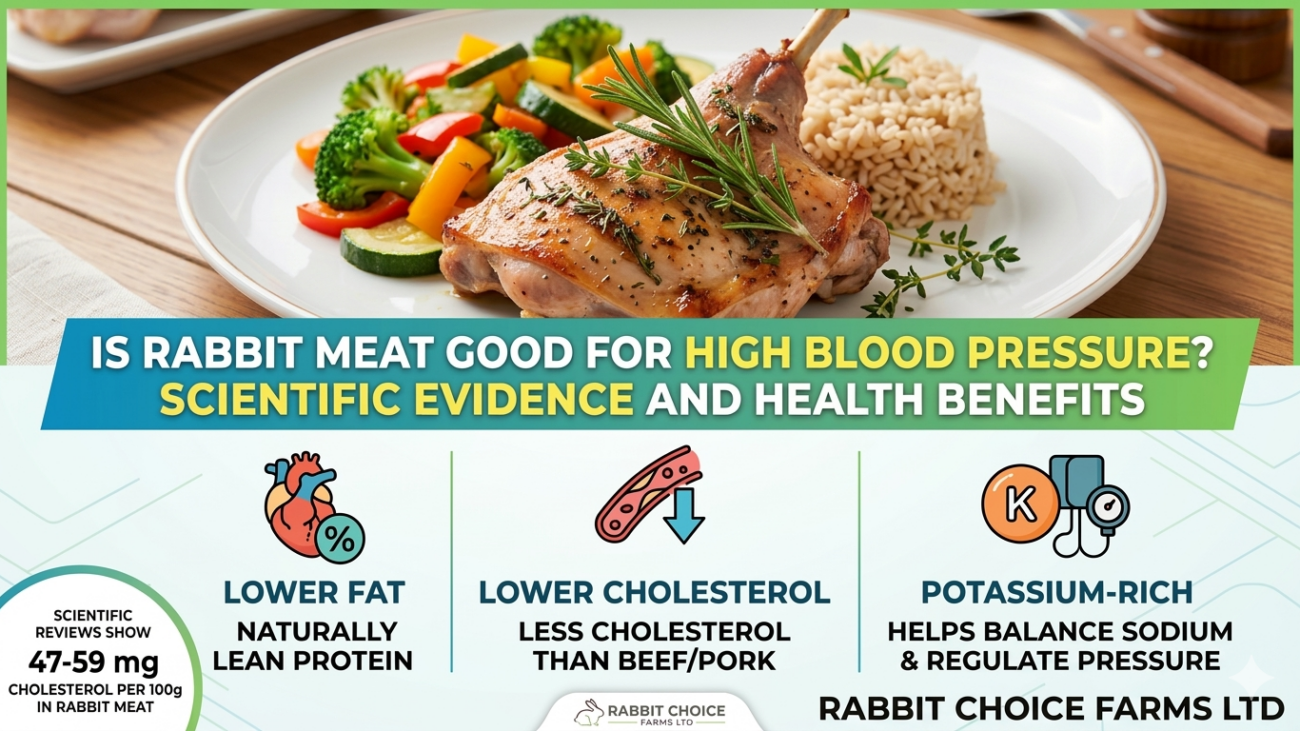
Scientific studies show that rabbit meat is among the leanest animal protein sources available.

Research published in the Journal of Animal Production Advances found that rabbit meat contains significantly less fat than beef or pork and lower cholesterol levels than many commonly consumed meats.

Another nutrition analysis shows that rabbit meat contains about 5–6% fat per 100 g, which is considerably lower than most red meats.

Lower fat intake is important for:

  • maintaining healthy blood vessels
  • preventing cholesterol buildup in arteries
  • reducing cardiovascular disease risk

For people managing hypertension, replacing fatty meats with lean proteins like rabbit meat can help support better heart health.

2. Rabbit Meat Has Lower Cholesterol Compared to Many Meats

Cholesterol levels in the diet can influence the buildup of plaques in arteries, increasing the risk of hypertension and heart disease.

Scientific reviews of rabbit meat show that it contains around 47–59 mg of cholesterol per 100 g, which is lower than many other meats.

In comparison:

  • Beef may contain over 110 mg cholesterol per 100 g
  • Pork and chicken often contain higher cholesterol levels than rabbit meat.

Lower cholesterol intake helps reduce the risk of:

  • Atherosclerosis
  • Heart disease
  • Stroke

Because of this nutritional profile, rabbit meat is often recommended as a heart-friendly protein option.

3. Rich in Potassium – Important for Blood Pressure Control

Potassium is one of the most important minerals for regulating blood pressure.

It works by:

  • Balancing sodium levels in the body
  • Relaxing blood vessel walls
  • Supporting normal heart function

Rabbit meat contains about 300–350 mg of potassium per 100 g, which can help support blood pressure regulation.

Many African diets are high in salt but low in potassium. Including potassium-rich foods such as rabbit meat can help improve the sodium–potassium balance, which is essential for healthy blood pressure levels.

4. High-Quality Protein With Essential Amino Acids

Rabbit meat is also valued for its high biological value protein.

Studies show rabbit meat contains about 21% protein, providing all essential amino acids needed for body repair and growth.

High-quality protein supports:

  • muscle health
  • immune system function
  • healthy metabolism
  • weight management

Maintaining a healthy weight is particularly important for people with high blood pressure because excess weight is a major risk factor for hypertension.

rabbit meat

Is Rabbit Meat Safe for People With Diabetes?

Yes. Rabbit meat can be a good protein choice for people living with diabetes.

No Carbohydrates

Rabbit meat contains almost zero carbohydrates, meaning it does not cause blood sugar spikes.

This makes it suitable for diabetic diets when combined with:

  • vegetables
  • whole grains
  • high-fiber foods

Helps Maintain Healthy Weight

Because rabbit meat is lean and high in protein, it helps people feel full longer while avoiding excess calorie intake.

Maintaining a healthy body weight is one of the most effective ways to improve blood sugar control and insulin sensitivity.

Can Rabbit Meat Be Suitable for People With Food Allergies?

Rabbit meat is often considered a hypoallergenic protein, meaning it is less likely to trigger allergic reactions compared to more common meats like beef or chicken.

Because of this, rabbit meat is sometimes included in elimination diets used by doctors and nutritionists to identify food allergies.

It may be a good option for individuals who:

  • Have sensitivities to common meats
  • Experience digestive discomfort after eating heavier meats
  • Need alternative protein sources

However, if you have known food allergies should consult a healthcare professional before introducing new foods into their diet.

Healthy Ways to Prepare Rabbit Meat for Blood Pressure Control

While rabbit meat itself is healthy, preparation methods matter. You want to avoid methods that add excess fats to the meal, like deep frying.

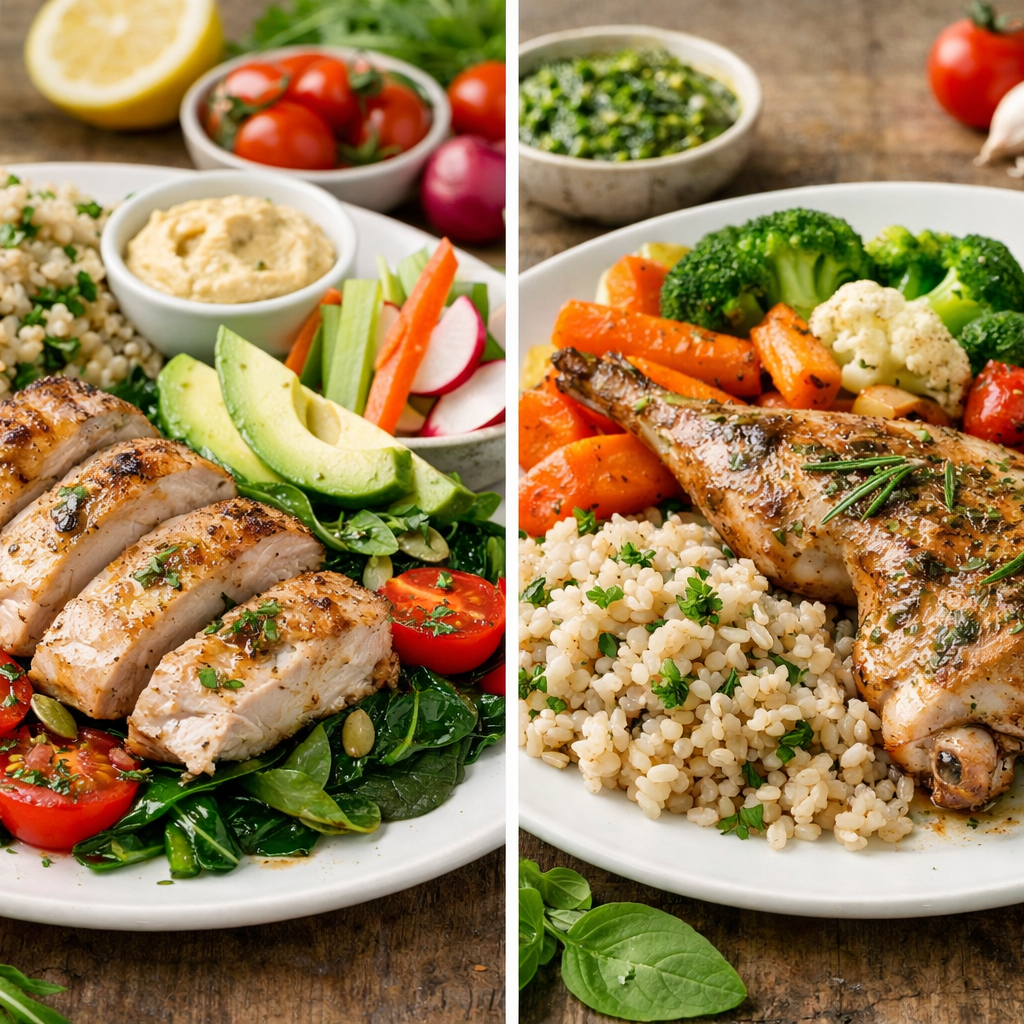
If you’re managing hypertension, the best cooking methods include: Grilling, Boiling, Stewing and Baking

It is also recommended to use natural herbs and spices instead of excessive salt, such as:

  • Garlic
  • Ginger
  • Rosemary
  • Turmeric
  • Black pepper

Besides improving flavor, these spices support cardiovascular health.

Get Treaceable Rabbit Meat from Rabbit Choice Farms Ltd

buy rabbit meat

At Rabbit Choice Farms Ltd, we produce high-quality rabbit meat raised under proper feeding, hygiene, and welfare standards.

Our rabbit meat is ideal for:

  • Hotels and institutions looking to offer healthy food alternatives.
  • Families looking for healthier meat options
  • People managing heart health
  • Individuals seeking lean protein alternatives

We supply rabbit meat to households, restaurants, and health-conscious consumers.

To order fresh rabbit meat or inquire about deliveries, order directly on our website or contact us on 0715 626 955

We are committed to making nutritious, locally produced rabbit meat available to Kenyan consumers.

Read more….

Rabbit Prices in Kenya (2026): Meat Prices, Market Trends & Where to Buy Reliably

How to Make Money Selling Rabbit Meat with Rabbit Choice Farms Ltd (No Capital Needed)

Rabbit breeds

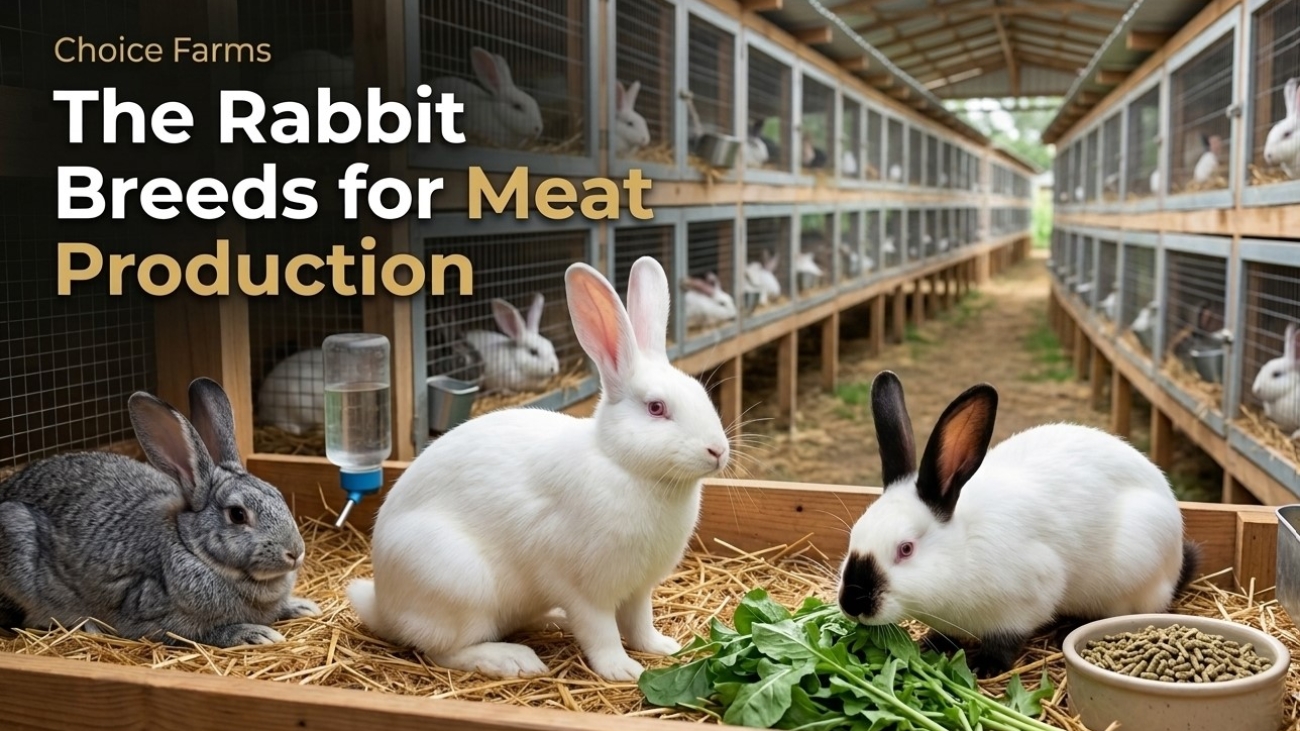
The Best Rabbit Breeds for Meat Production

Rabbit farming is becoming one of the fastest-growing livestock enterprises in Kenya and across Africa. We recently held a virtual training for rabbit farmers around the world, and got over 250 registered farmers, with the Facebook post reaching over 20,000 people.

With increasing demand for healthy, lean rabbit meat, many farmers are searching for the best rabbit breeds for meat production.

However, success in rabbit farming begins with choosing the right breed. Different breeds have different growth rates, meat yield, temperament, and adaptability.

In this guide, we explain the most productive rabbit breeds in Kenya, their history, characteristics, and growth performance, and how farmers can choose the best breeding stock for profitable meat production.

If you are starting or expanding a rabbit farm, this article will help you make practical decisions that improve productivity and profitability.

Why Choosing the Right Rabbit Breed Matters

Not all rabbits are suitable for commercial meat production.

The breed you choose will affect:

  • Growth rate
  • Feed efficiency
  • Litter size
  • Disease resistance
  • Market weight

For commercial farming in Kenya, farmers usually prefer specialized meat breeds or hybrid rabbits because they grow faster and produce more meat.

At Rabbit Choice Farms Ltd, we help farmers succeed through:

  • Rabbit farming training
  • Supply of high-quality rabbit breeders
  • Rabbit cage construction
  • Contract farming programs

Best Rabbit Breeds for Meat Production in Africa

Below are the most popular and productive rabbit breeds raised by farmers across Kenya and beyond.

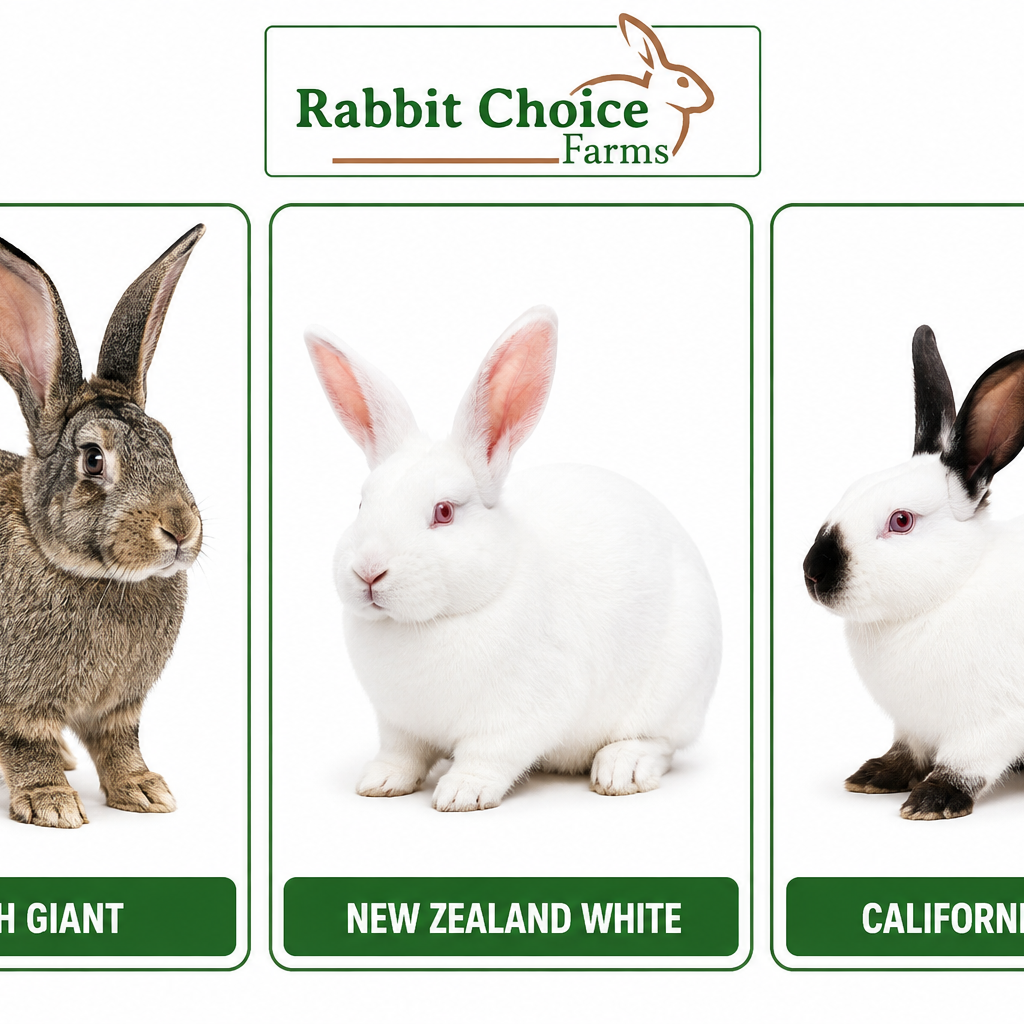
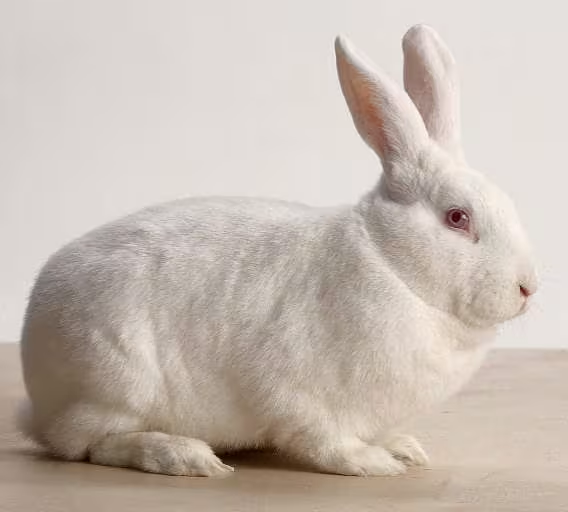
1. New Zealand White

Despite its name, the New Zealand White did not originate in New Zealand. The breed was developed in the United States in the early 1900s by selectively breeding rabbits for rapid growth and meat production.

Over time, it became one of the most widely used commercial meat rabbit breeds in the world. Today, it is also the most common breed used in Kenyan rabbit farms.

Physical Characteristics

  • Color: Pure white fur
  • Eyes: Pink or red
  • Body: Large, muscular body
  • Weight: 4–5 kg when fully grown
  • Fur: Dense and smooth

The white fur makes this breed ideal for meat processing because the carcass appears clean after slaughter.

Temperament

  • Calm and easy to handle
  • Good mothering ability
  • Adaptable to different environments

These qualities make the New Zealand White ideal for both beginner and commercial farmers.

Growth Rate

  • Birth weight: 40–60 grams
  • 8 weeks: about 2 kg
  • Market weight: 2.5–3 kg in 10–12 weeks

Because of its fast growth and high productivity, this breed is widely used in commercial breeding programs across the world.

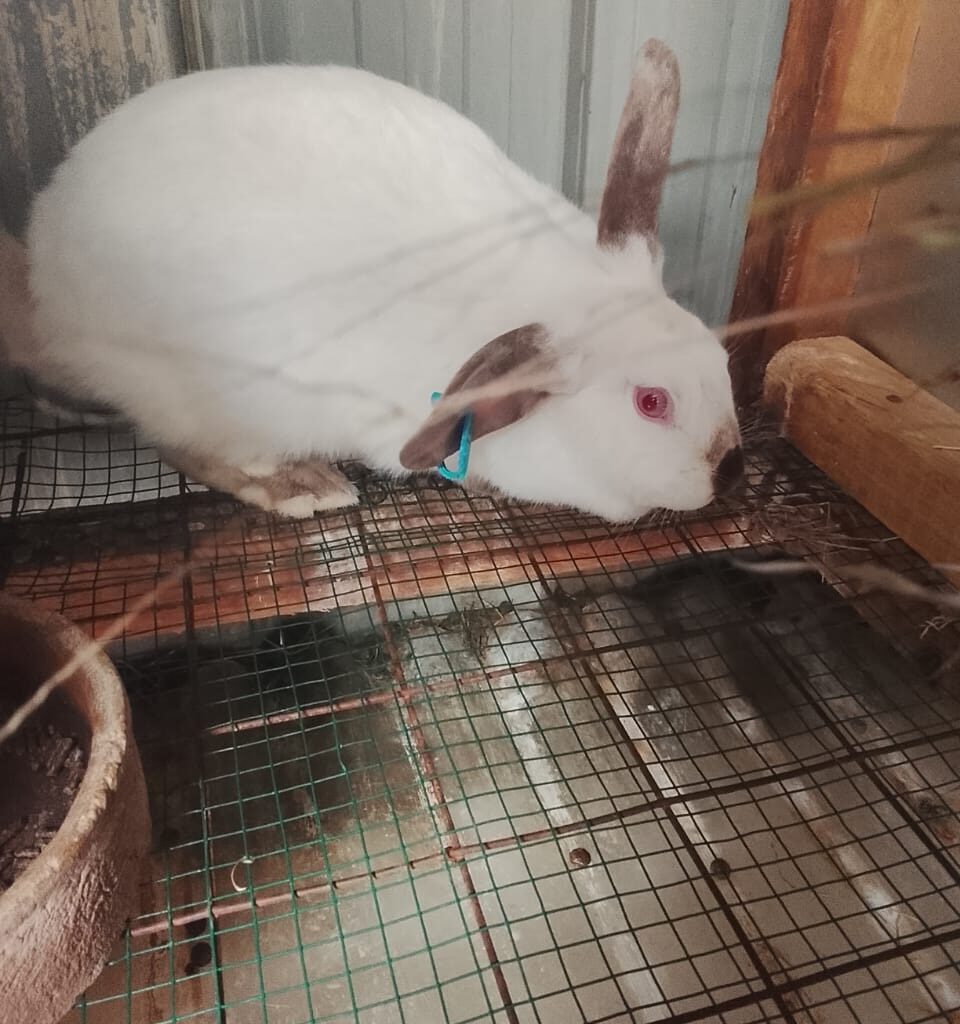
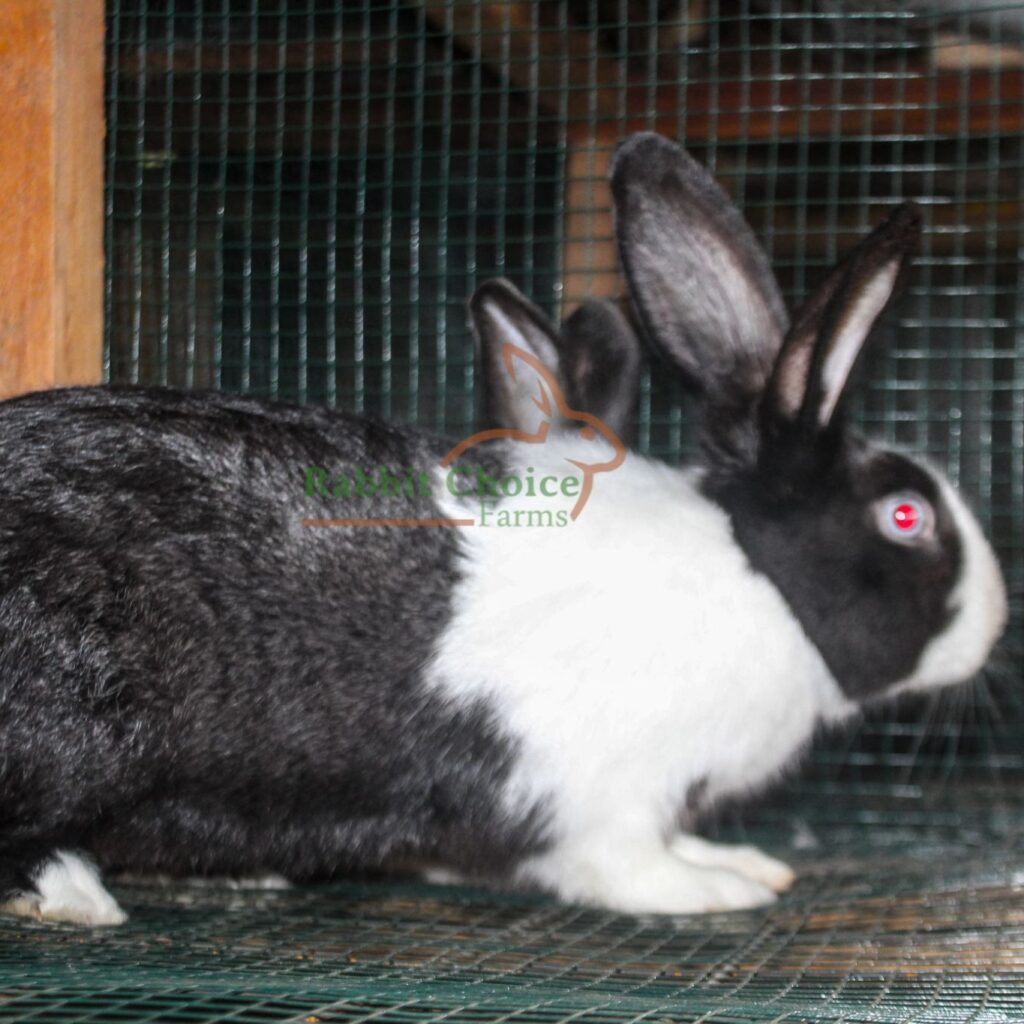
2. California White

The California White breed was developed in California, USA in the 1920s by crossing New Zealand White, Himalayan, and Chinchilla rabbits.
The goal was to create a rabbit that had:

  • Excellent meat quality
  • Strong bones
  • High growth performance

Today, it is considered one of the best meat rabbit breeds in the world.

Physical Characteristics

  • Color: White body
  • Markings: Black ears, nose, feet, and tail
  • Body shape: Compact and muscular
  • Weight: 4–4.5 kg when mature

These distinctive black markings make the California White easy to identify.

Temperament

  • Calm and manageable
  • Good mothers
  • Adapt well to cage systems

This breed performs very well in intensive commercial rabbit farming systems.

Growth Rate

  • Market weight: 2.5–3 kg in about 10–12 weeks

California White rabbits are often crossed with New Zealand Whites to produce high-performing hybrid meat rabbits.
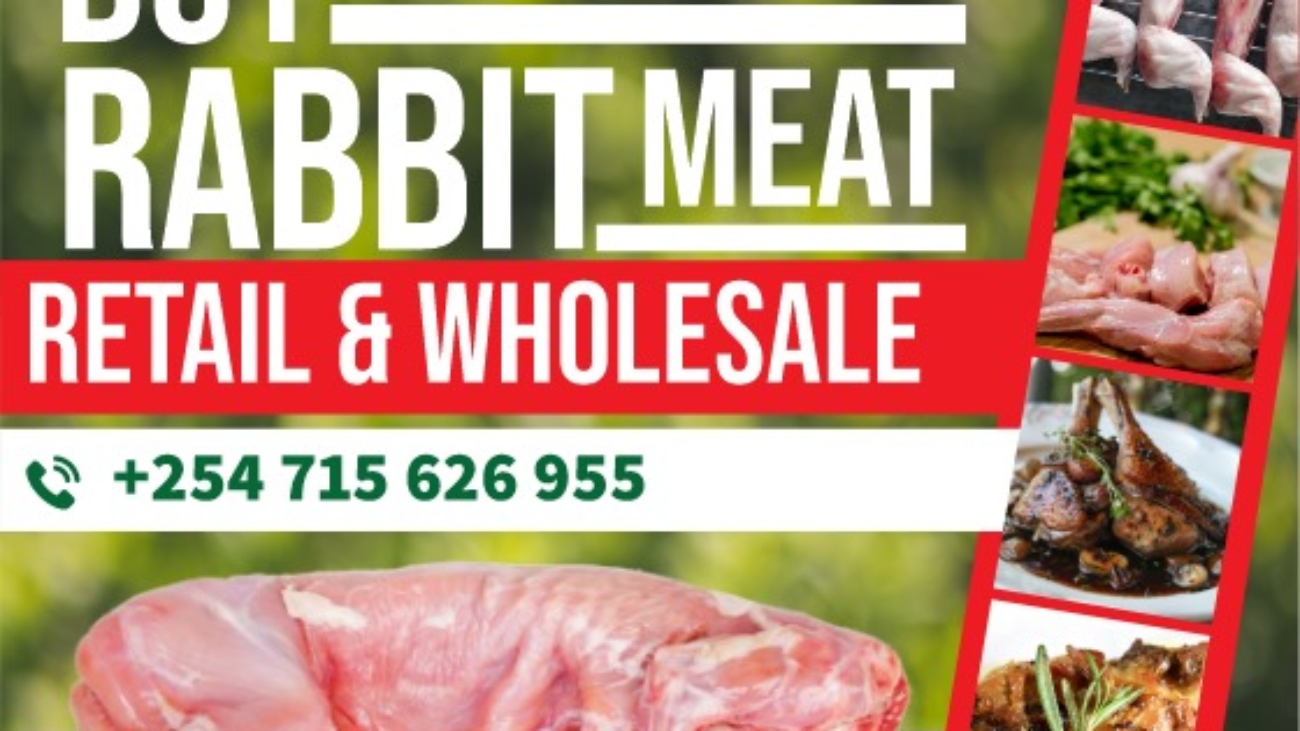
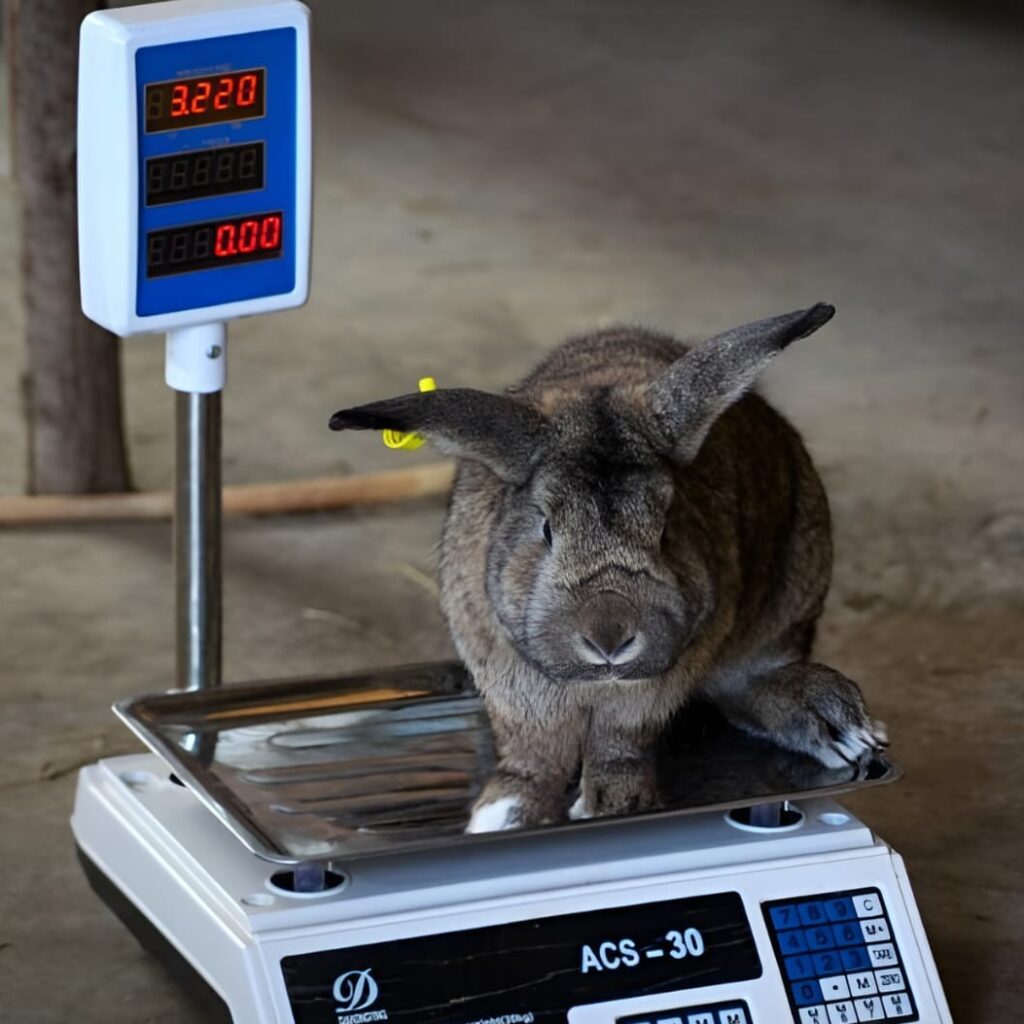
3. Flemish Giant

The Flemish Giant is one of the oldest and largest rabbit breeds in the world. It originated in Belgium during the 16th century, where it was developed as a large meat and fur rabbit.

Because of its size, it became popular worldwide and is often referred to as the “King of Rabbits.”

Physical Characteristics

  • Color: Can be grey, black, white, blue, or sandy
  • Body: Very large and long
  • Weight: 6–8 kg or more when mature
  • Ears: Long and upright

It is significantly larger than most commercial rabbit breeds.

Temperament

  • Very calm and gentle
  • Easy to handle
  • Sometimes kept as pets due to their friendly nature

Growth Rate

Although they grow large, Flemish Giants grow slower than specialized meat breeds.

  • Market weight: about 3–4 kg in 14–16 weeks

For this reason, many farmers use Flemish Giants mainly for crossbreeding to improve size in hybrid rabbits.
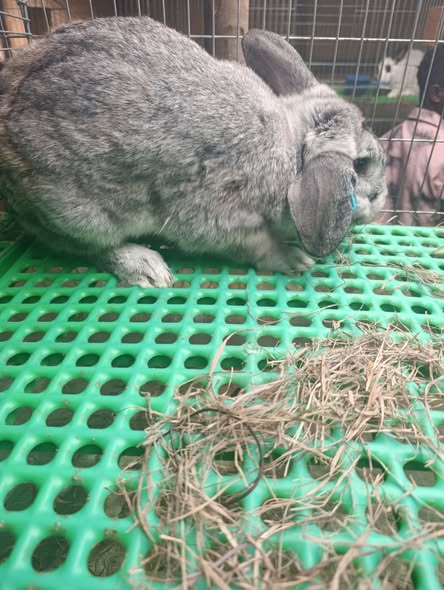
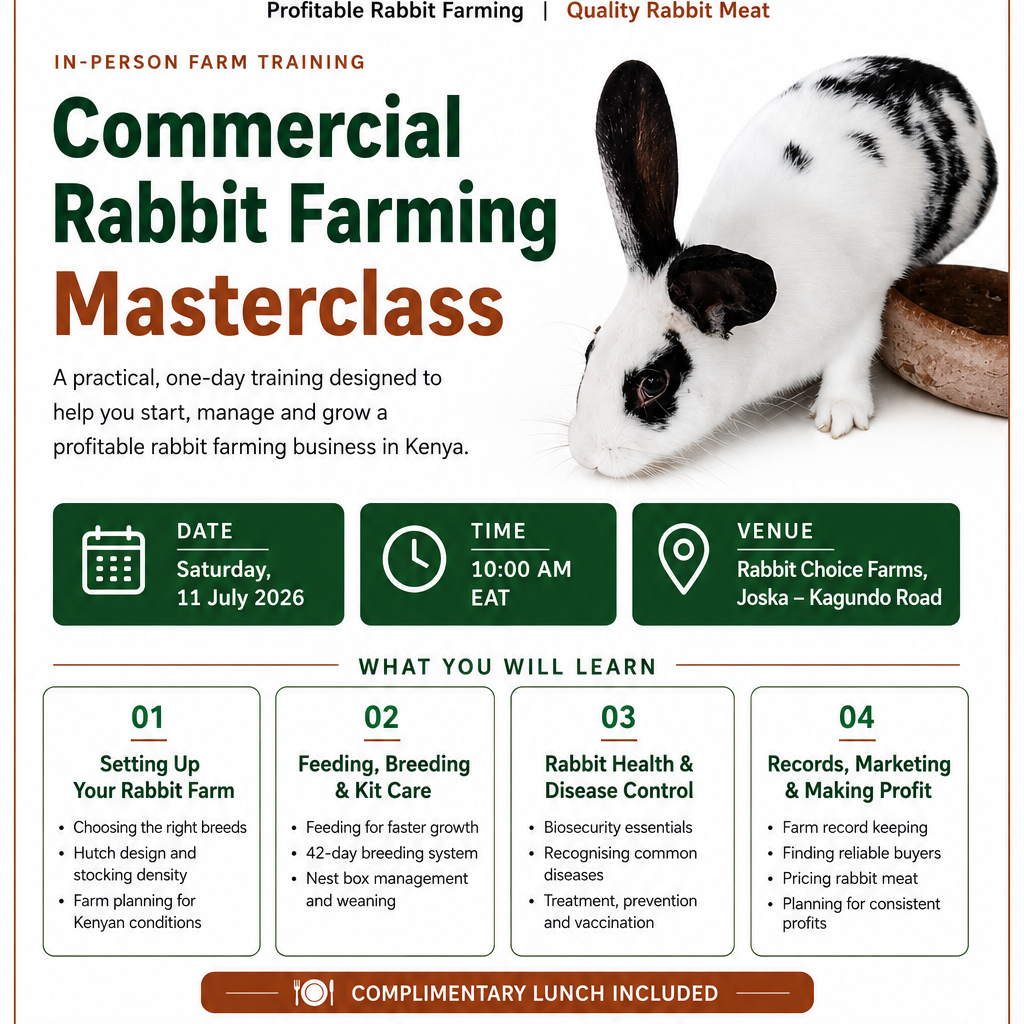
4. Chinchilla Rabbits

Chinchilla rabbits were first developed in France around 1919. The breed was named after the chinchilla animal because of its beautiful grey fur that resembles the animal.

They quickly became popular in Europe and America for both meat and fur production.

Physical Characteristics

  • Color: Grey with black and white shading
  • Body: Medium to large frame
  • Weight: 4–5 kg when mature
  • Fur: Thick and soft

The unique coat color makes Chinchilla rabbits attractive and valuable.

Temperament

  • Active and alert
  • Hardy and adaptable
  • Good for both cage and backyard systems

They adapt well to different climatic conditions in Kenya.

Growth Rate

  • Market weight: 2.3–2.8 kg

Chinchilla rabbits are commonly used in small-scale rabbit farms across Kenya.

Other Rabbit Breeds That Also Perform Well in Africa

Besides the major commercial meat breeds, several other rabbit breeds also perform well in African farming systems, especially for crossbreeding and small-scale profitable agribusiness projects.

Checkered Giant

  • Origin: Europe (Germany and Belgium)
  • Color: White body with black or blue markings
  • Weight: 4–6 kg
  • Temperament: Active and energetic

Checkered Giants are often used in crossbreeding programs to increase body size and meat yield.

Dutch Rabbit

  • Origin: England
  • Color: Distinctive black and white pattern
  • Weight: 2–2.5 kg
  • Temperament: Friendly and calm

Although smaller than typical meat breeds, Dutch rabbits are common in small-scale rabbit farming enterprises across Africa.

Silver Marten

  • Origin: United States
  • Color: Black, blue, chocolate, or sable with silver underside
  • Weight: 3–4 kg
  • Temperament: Active but manageable

Silver Marten rabbits perform well in small to medium-scale farms and can also be used in crossbreeding programs.

Is Rabbit Farming Profitable?

Rabbit farming is increasingly becoming a profitable agribusiness opportunity across Africa and East Africa.

Compared to many livestock enterprises, rabbits offer several advantages:

  • Fast reproduction rates
  • Low startup capital
  • Small space requirements
  • High-quality meat demand
  • Short production cycles

With proper management, a farmer can raise rabbits for both breeding stock and meat production, creating multiple income streams.

Through Rabbit Choice Farms Ltd, farmers can access the knowledge, breeding stock, and support needed to build a successful rabbit farming agribusiness.

Where Can You Buy Quality Rabbit Breeders?

Rabbit Choice Farms Ltd supplies high-quality rabbit breeders suitable for commercial meat production across East Africa.

One of the biggest mistakes farmers make is buying rabbits from unverified sources without breeding records.

Quality breeding rabbits should come from farms that maintain:

  • Controlled breeding programs
  • Healthy genetics
  • Proper feeding systems
  • Performance records

We also support farmers with:

  • Rabbit farming training
  • Rabbit cage construction
  • Contract farming opportunities
  • Market access for rabbit meat
  • Our goal is to help farmers build sustainable and profitable rabbit farming businesses.

How to Choose Good Breeding Rabbits

Selecting the right breeding rabbits is important for building a productive and profitable rabbit farm. Good breeding stock leads to better growth rates, healthier litters, and improved meat production.

When choosing breeding rabbits, consider the following:

  • Good health – Rabbits should have bright eyes, a clean nose, smooth fur, and active behavior. Avoid rabbits that appear weak or sick.
  • Strong body structure – Choose rabbits with a wide chest, strong hind legs, and good muscle development for better meat production.
  • Proven breeding performance – Buy rabbits from farms that keep breeding records and maintain strong genetics.
  • Proper breeding age – Ideal breeding age is 6–7 months for females (does) and 6–8 months for males (bucks). Breeding too early can reduce productivity.

Frequently Asked Questions

What feeds help rabbits grow faster to slaughter weight?

Rabbits grow faster when they receive a balanced diet with enough fiber, protein, and energy.

A proper feeding program includes:

  • Hay – the main fiber source for digestion
  • Commercial rabbit pellets – provide protein and nutrients
  • wilted forage such as sweet potato vines, lucerne, or grasses
  • Clean drinking water at all times

Proper feeding combined with good genetics helps rabbits reach 2.5–3 kg market weight in about 12–16 weeks.

What do I need to start a rabbit farm?

Starting a rabbit farm requires a few essential things:

  • Quality breeding rabbits
  • Proper cages or housing
  • Reliable feed supply
  • Clean water
  • Basic management knowledge

For commercial rabbit farming, you can start with 10 does and 2 bucks and then expand gradually as the farm grows.

Can rabbits be fed entirely with farm-grown feeds?

Yes, many farmers reduce feeding costs by growing their own rabbit feeds.

Common crops grown for rabbit feeding include:

  • Lucerne (alfalfa)
  • Napier grass
  • Sweet potato vines
  • Desmodium
  • Vegetable leaves

However, for maximum growth and productivity, many farmers still supplement with rabbit pellets to balance nutrients.

What is the best housing system for rabbits?

Most commercial farms use raised cage systems because they:

  • Improve hygiene
  • Reduce disease risk
  • Make feeding and cleaning easier
  • Improve growth performance

We recommend building enough hutches to fit the breeders and 2 sets of kits from the onset of your project. Ideally, 3 cages per female and 1 per male. Each cage should be 2.5 feet by 2 feet, width and height.

At Rabbit Choice Farms Ltd, we also help farmers with rabbit cage construction designed for efficient commercial farming.

How can farmers avoid inbreeding in rabbit farms?

Inbreeding occurs when rabbits from the same family line breed repeatedly.

To prevent this:

  • Keep proper breeding records
  • Replace breeding bucks regularly
  • Buy new breeding stock from reliable farm
  • Avoid mating siblings

Buying breeders from farms with controlled breeding programs, such as Rabbit Choice Farms Ltd, helps maintain strong genetics.

How can rabbit farmers find a market for rabbit meat?

Rabbit meat demand is growing in many parts of East Africa, especially in urban areas, restaurants, and health-conscious markets.

Farmers can sell rabbits through:

  • Direct farm sales
  • Local butcheries
  • Restaurants and hotels
  • Farmer groups and cooperatives

At Rabbit Choice Farms, we buy rabbits. If you have some good rabbits that are mature and ready for selling, contact us or visit our office in Nairobi. Our office is on Thika Road, Total Ruaraka next to the Queen of Apostles Catholic Church.
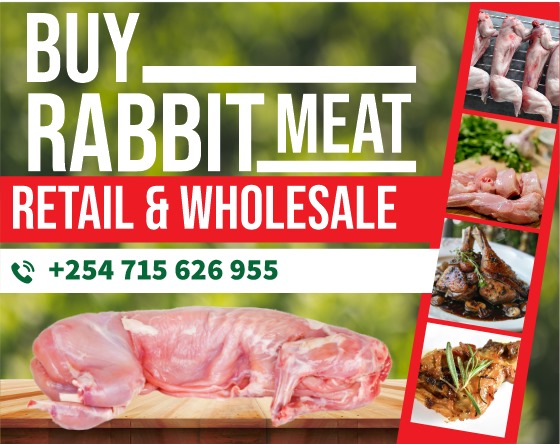
Buy rabbit meat

Rabbit Prices in Kenya (2026): Meat Prices, Market Trends & Where to Buy Reliably

Rabbit meat demand in Kenya has grown steadily over the past few years, driven by health-conscious consumers, specialty meat buyers, and institutions looking for clean, lean protein. As demand rises, so does interest in rabbit prices in Kenya, especially rabbit meat price per kg, availability, and reliability of supply.

This guide focuses on rabbit meat prices today, current market realities, common buyer challenges, and how to secure quality rabbit meat consistently — whether you are buying whole rabbits, portioned cuts, mince, or specialty parts like liver.

How is the Rabbit Meat Market in Kenya?

buy rabbit meat

The rabbit market in Kenya is still developing compared to beef or chicken, but it is becoming more structured. Buyers today are not just asking for rabbit meat prices, but also:

  • Is the supply consistent?
  • Is the meat clean and traceable?
  • Can I get specific cuts or portioned meat?
  • Are prices stable week to week?

These concerns directly affect purchasing decisions and pricing.

Rabbit meat prices are influenced by feed costs, production scale, processing standards, and demand for specific cuts. As a result, prices vary depending on whether you are buying whole rabbits, portioned meat, or value-added products.

Current Rabbit Meat Prices in Kenya (2026)

Below are the current rabbit meat prices in Kenya based on market conditions and direct supply:

Rabbit Meat Pricing

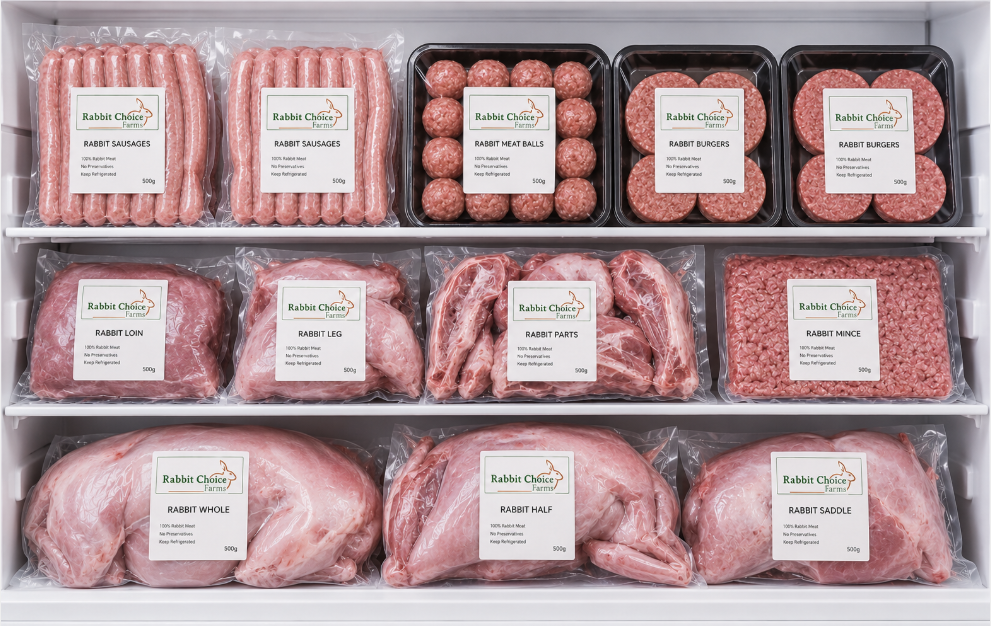
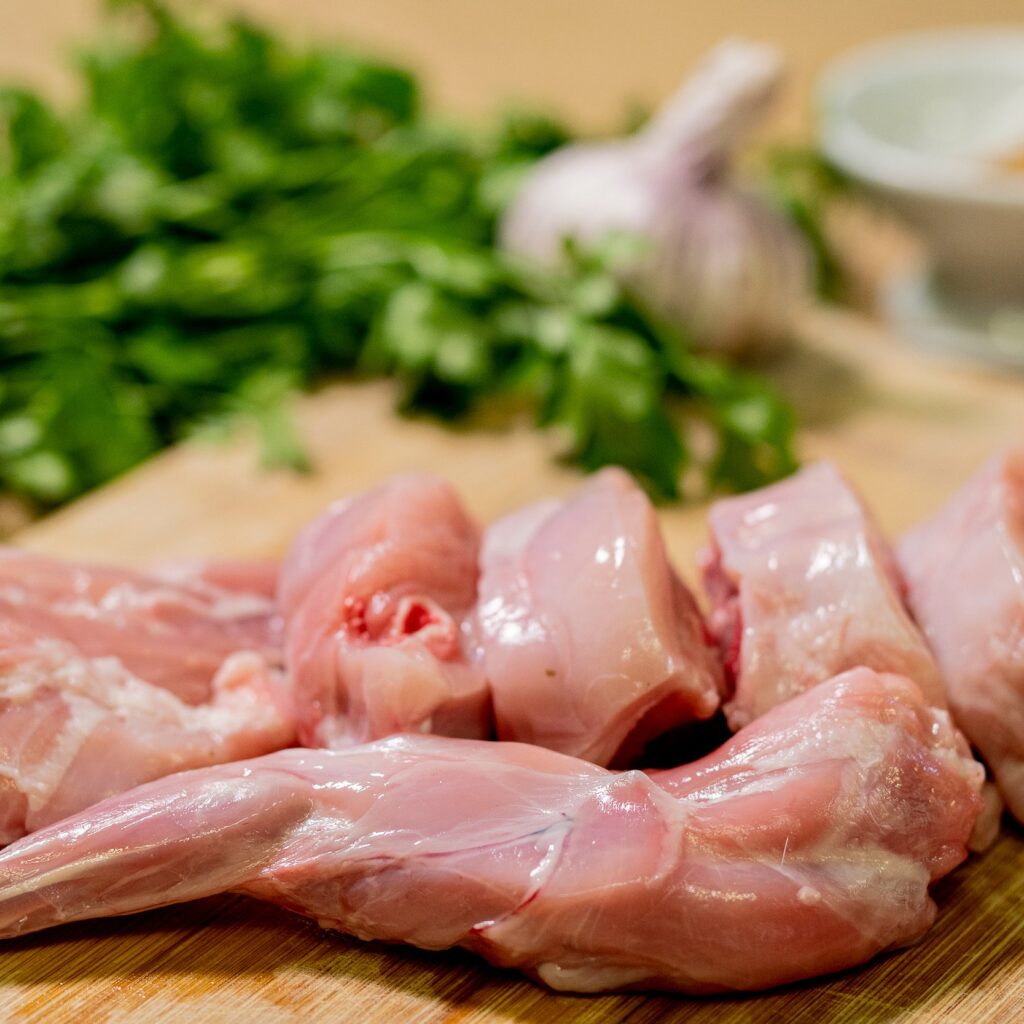
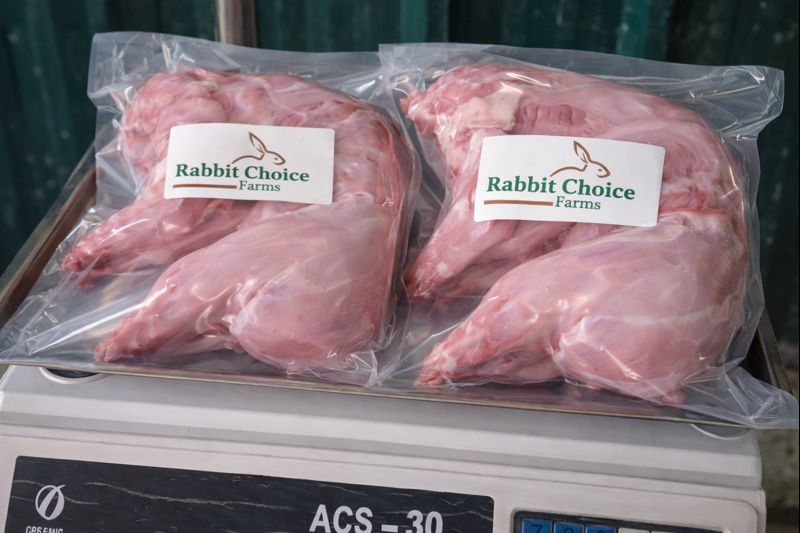
  • Whole rabbit meat: KSh 900 per kg
  • Portioned rabbit meat: KSh 920 per kg

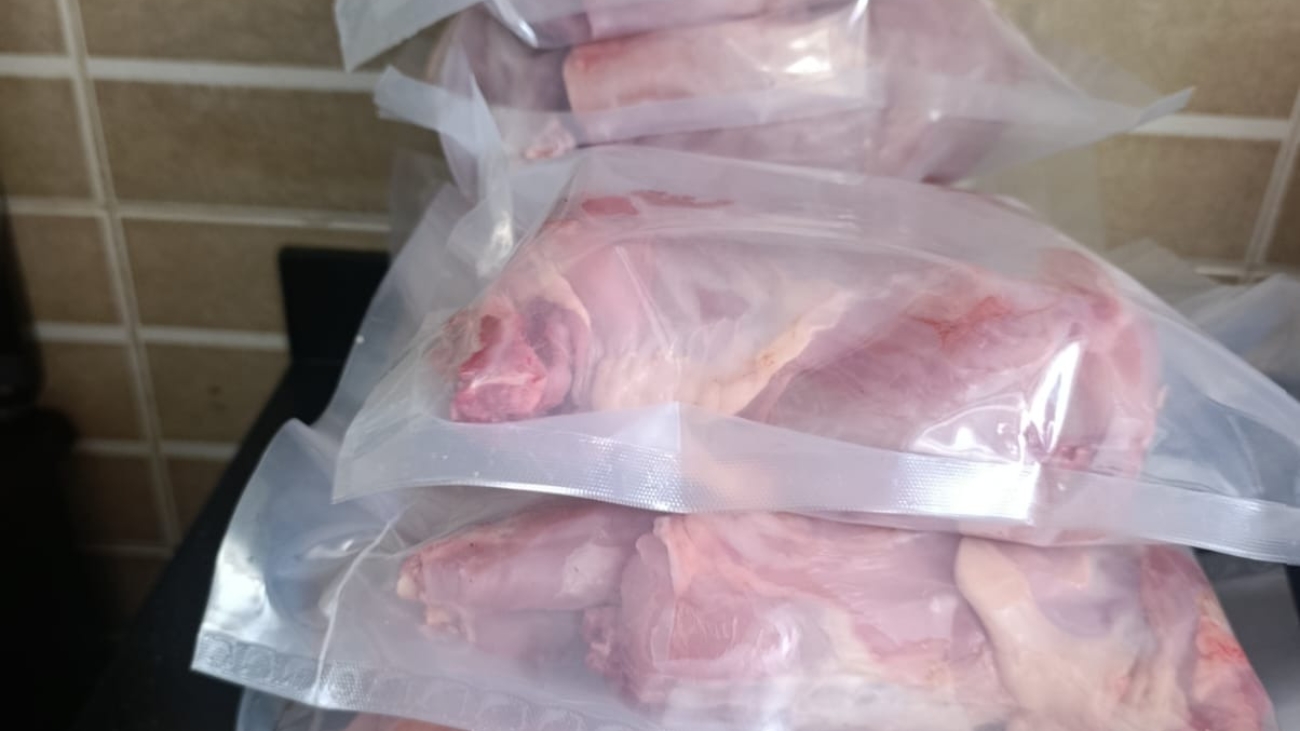
A normal mature rabbit typically weighs between 1.1 kg and 1.5 kg, making it easy for buyers to estimate total cost per carcass.

Rabbit Meat Parts & Value-Added Products

  • Rabbit liver: KSh 1,200 per kg
  • Rabbit mince: KSh 1,400 per kg
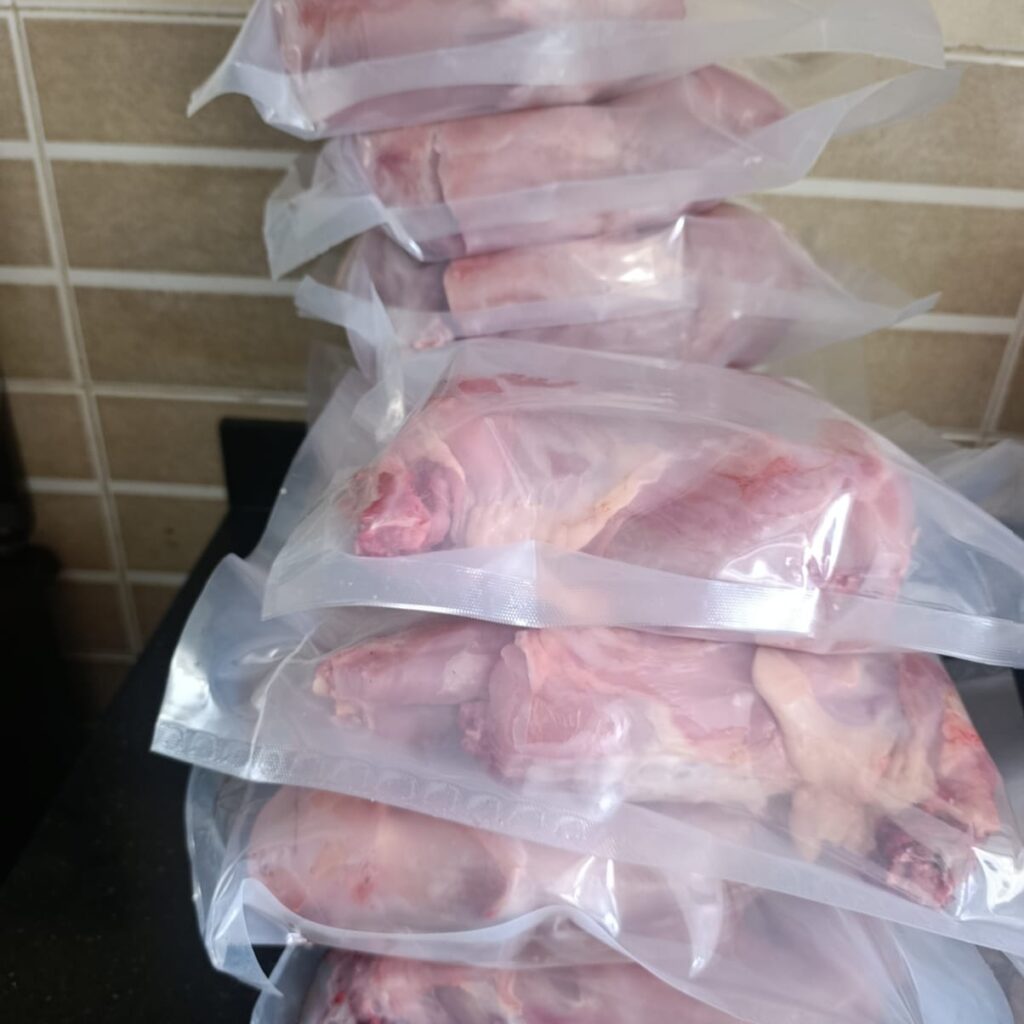
  • Rabbit legs (standard cuts): From KSh 1,600 per kg
  • Premium rabbit cuts (including legs and select portions): Up to KSh 2,200 per kg

These prices reflect careful processing, proper handling, and consistent quality — factors increasingly important to serious rabbit meat buyers.

Wholesale Prices

Buyers looking for rabbit meat are increasingly focused on reliability of supply, food safety, consistency, and convenience rather than just price. Restaurants, butcheries, and supermarkets want assurance that rabbit meat will be available in steady volumes, delivered on time, and processed hygienically. 

If you’re looking to buy large quantities of rabbit meat, Rabbit Choice Farms Ltd meets the above expectations. We offer a dependable and well-organised supply of rabbit meat suitable for commercial buyers across Kenya. 

We have sufficient capacity to serve restaurants, butcheries, and supermarkets without supply interruptions, backed by structured production and quality control systems. We also work closely with rabbit farmers across the country so buying from us is an opportunity to support a farmer.

Why Rabbit Meat Prices Vary in Kenya

Several factors influence rabbit prices in Kenya, especially for meat:

1. Feed Costs

Rabbit pellet price in Kenya plays a major role in production costs. When pellet prices rise, the impact is often reflected in rabbit meat prices.

2. Weight and Yield

Since a normal rabbit weighs 1.1–1.5 kg when dressed, smaller variations in growth rate can affect price per unit. Well-fed rabbits produce better carcass yields.

3. Processing and Hygiene

Proper slaughter, cold handling, and clean processing increase costs but significantly improve quality and shelf life. This is why professionally processed rabbit meat may cost more than informal market options.

4. Demand for Specific Cuts

Parts such as rabbit legs, liver, and mince attract premium pricing due to higher demand and limited supply per animal.

Common Challenges Rabbit Meat Buyers Face

Many buyers searching for rabbit meat buyers near me or rabbit meat for sale near me encounter the same issues repeatedly:

  • Inconsistent supply volumes
  • Fluctuating rabbit meat prices week to week
  • Poor hygiene and lack of traceability
  • Limited access to portioned meat or mince
  • Difficulty finding reliable sellers in the rabbit market near me

These challenges often push buyers toward suppliers who can offer structured supply chains rather than informal sourcing.

Buying Rabbit Meat Online in Kenya

As the market matures, more buyers are choosing to buy rabbit meat online rather than relying on open markets. Online ordering offers:

  • Clear pricing per kg
  • Reliable supply schedules
  • Ability to choose whole, portioned, or specific cuts
  • Reduced risk of contamination

For buyers who value consistency, rabbit meat online order options simplify procurement and reduce uncertainty.

The Growing Rabbit Meat Market in Kenya

The rabbit meat market in Kenya is expanding due to rising awareness of rabbit meat’s nutritional value and its position as a lean protein. Buyers are increasingly seeking dependable suppliers who understand market dynamics and can maintain steady pricing even when feed or demand fluctuates.

This shift is pushing the industry toward better standards, clearer pricing structures, and professional handling.

Why Rabbit Choice Farms Is a Trusted Rabbit Meat Supplier

At Rabbit Choice Farms, we supply clean, traceable rabbit meat to buyers across Kenya. Our pricing is transparent, and our supply is consistent.

We offer:

  • Whole rabbit meat (KSh 900 per kg)
  • Portioned rabbit meat (KSh 920 per kg)
  • Rabbit mince (KSh 1,400 per kg)
  • Rabbit liver (KSh 1,200 per kg)
  • Rabbit legs and premium cuts (KSh 1,600 – KSh 2,200 per kg)

Our rabbits are well-raised, properly processed, and handled under strict hygiene standards to ensure quality from farm to buyer.

Order Rabbit Meat Today!

At Rabbit Choice Farms Ltd, we work closely with farmers to ensure a steady supply of fresh and quality rabbit meat.
Buy whole, portioned, or specialty rabbit meat directly from Rabbit Choice Farms.
Call us on +254715626955 today for current availability and bulk pricing updates.