breeds

How to Choose the Best Rabbit Breeds for Commercial Rabbit Farming

How to Pick the Perfect Rabbit Breed for Meat, Growth, and Profit

Today, there’s a rising demand for white, protein-rich meat. Rabbit meat fits the bill. It’s white, low in cholesterol and tasty.

Rabbit farming is a low-cost and highly profitable venture. Compared to other livestock, rabbits require less capital to start. You don’t need expensive housing, large land, or complex equipment.

They also have low feed and space requirements. Plus, rabbit farming is easy to manage, even on a part-time basis, and can be done in urban or rural settings.

But, success in rabbit farming doesn’t start with building a hutch or buying feed—it starts with choosing the right breed. Making the wrong choice can lead to poor returns, slow growth, or even total project failure.

In this article, we’ll highlight what you should look out for when buying your rabbit breeding stock. We’ll also feature some locally available rabbit breeds and how you can get them.

Factors to Consider When Choosing a Rabbit Breed

Choosing the right rabbit breed is one of the most important decisions you can make. Different breeds are suited for different goals, climates, and production systems. Here are some factors to consider:

Farming Purpose

Are you farming for domestic consumption, commercially or for pets? 

  • Meat Production: If your main goal is meat, you need breeds that grow fast and yield high-quality carcasses. You’ll want to consider fast-growing breeds with an excellent meat-to-bone ratio. Examples are New Zealand White, California White, Flemish Giant, etc. Hybrid crosses (e.g., New Zealand × California) – these offer the best of both worlds and are available from Rabbit Choice Farms Kenya, already adapted to local conditions.
  • Fur Production: Fur farming is not well developed in Kenya, but some breeds like the Chinchilla or Rex produce quality fur. If you’re targeting high-end export or niche markets, this might be worth exploring—but it requires specialised care and marketing.
  • Pets (Niche Market): Some urban farmers are tapping into the pet market. Breeds like the Angora, Mini Rex, or Dwarf Lop are ideal. These rabbits are small, friendly, and attractive, but they are not suitable for meat production.

Growth Rate and Maturity Age

In commercial rabbit farming, time is money. The faster a rabbit reaches market weight, the more cycles you can have per year, and the quicker your return on investment.

A good breed should get to 2.5-3.5kg within 18- 22 weeks.

At Rabbit Choice Farms, we focus on fast-growing breeds and provide guidance on how to reach target weights faster through balanced feeding programs.

Litter Size and Mothering Ability

High Reproduction Rates = Higher Returns

The more kits a doe can produce per year, the more income you can generate. On average, a good doe should produce 7–10 kits per litter, give birth atleast 5 times per year.

Breeds Known for Good Mothering Instincts

  • New Zealand White – consistently produces large litters and cares well for kits.
  • California White – slightly smaller litters but excellent maternal instincts.
  • Checkered giants- Average litters and great survival rates.

Mothering ability is crucial—poor mothers may abandon or injure kits, leading to losses.

Feed Conversion Efficiency

Feed is the largest cost in rabbit farming. Efficient breeds eat less but gain more weight, reducing production costs.

A good feed conversion ratio (FCR) means:

  • Less feed per kg of weight gain
  • Faster returns and higher profit margins

Most hybrids are known for excellent FCRs when raised under proper management.

Availability and Cost of Breeding Stock

It’s important to source breeding stock from a nearby, reliable farm. This reduces transport stress and costs. Buying breeders from atrusted seller heps you get the breeding line and proper health records.

Rabbit Choice Farms Ltd is based in East Africa and offers:

  • Healthy, high-performing rabbits
  • Delivery across the region
  • Support and after-sales guidance
  • Contract farming for commercial rabbit breeders.

While hybrid breeders may seem expensive, they tend to pay back faster through better performance. Hybrid crossbreeds offer the best value for money—strong genetics, fast growth and better resistance to diseases.

Best Rabbit Breeds for Farming in Africa

There are many rabbit breeds available in Africa. Here’s a list with just a few and their characteristics.

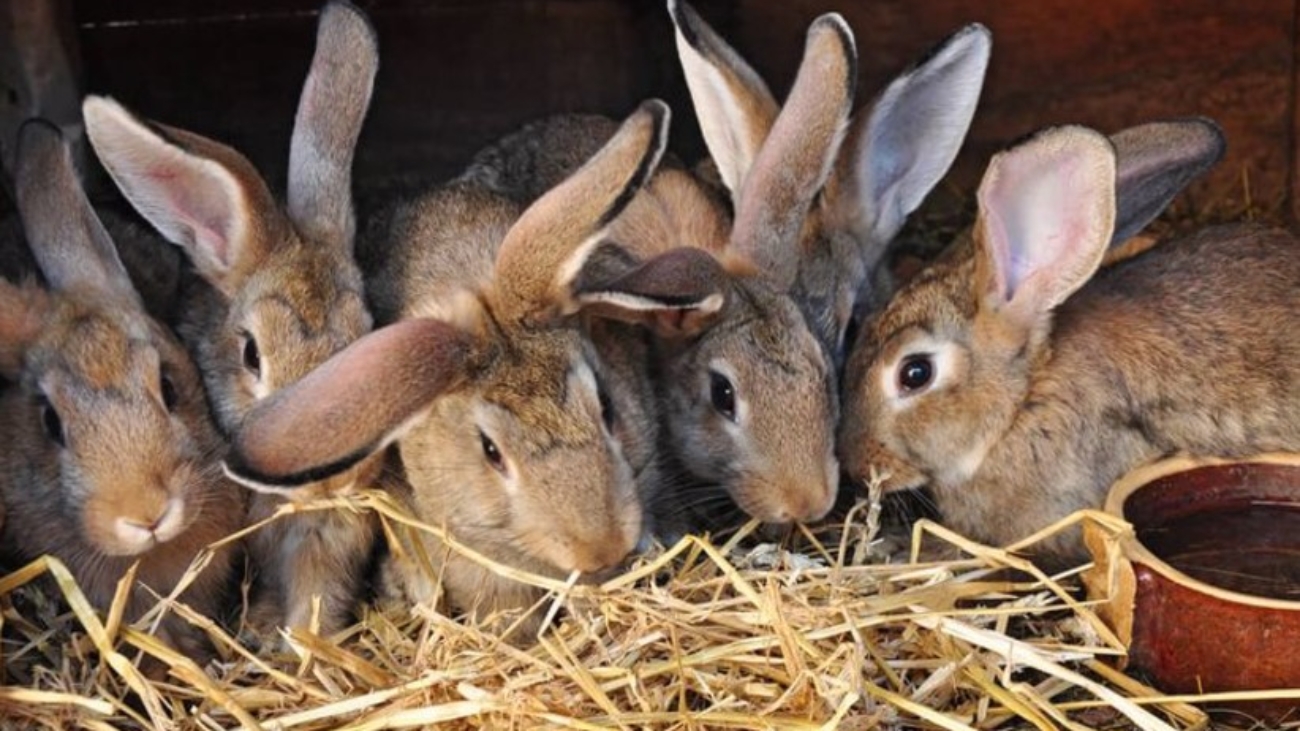
Checkered giant rabbits

BreedAverage Adult WeightKey CharacteristicsSpecific Benefits
New Zealand White3–5 kgWhite fur, red eyes, fast-growing, calm temperamentIdeal for meat production, large litters, excellent feed conversion rate
Flemish Giant3–6 kgVery large, long body, slower growth, needs more space and feedHigh meat yield, used in crossbreeding for size improvement. Low litter sizes.
Californian3.5–4.5 kgWhite with black nose, ears, feet, and tail; muscular bodyExcellent meat-to-bone ratio, good for crossbreeding, strong maternal instincts
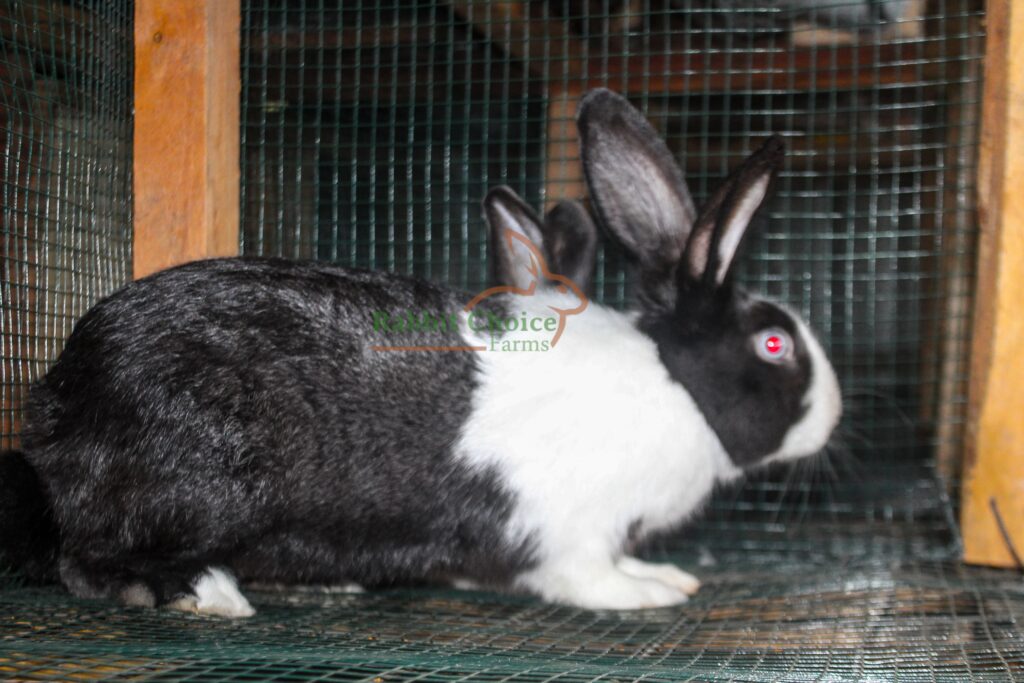
Dutch2.5–3.5 kgSmall breed with distinctive color band across shouldersGreat for pet market or small-scale backyard farming
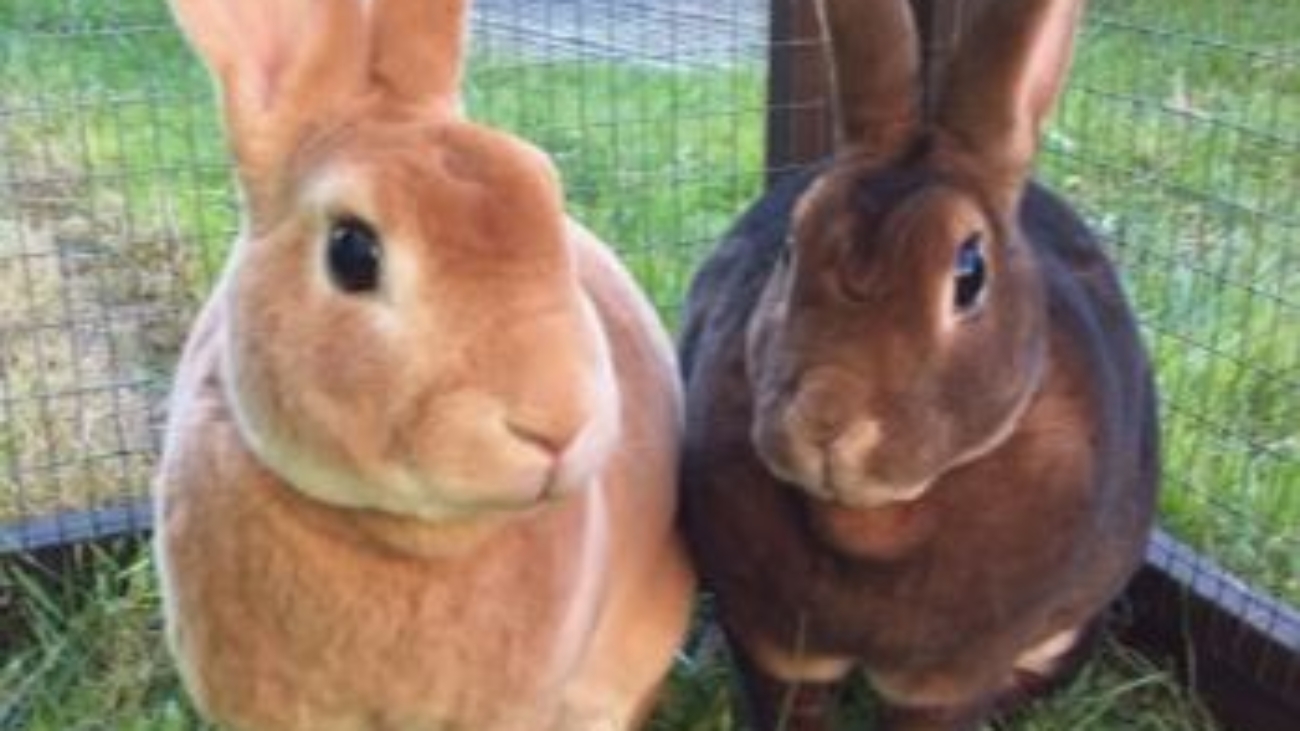
Palomino3–5.5 kgGolden or cream coat, calm and friendlyGood for both meat and pets, docile, moderate litter size
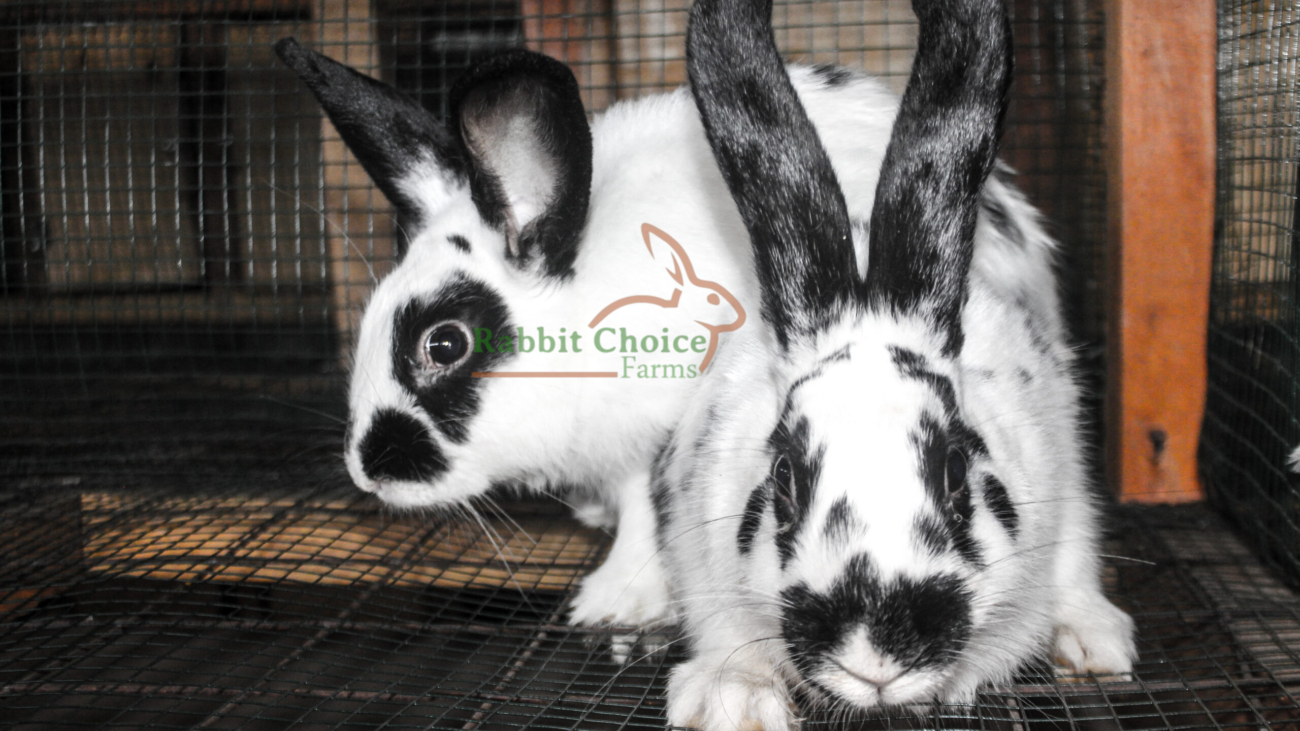
Checkered Giant3–5kgLarge breed with white body and black markings, energeticGood meat breed, attractive appearance, used in exhibitions
Angora2.5–4 kgLong woolly fur, high maintenance, needs regular groomingPets,Fur/wool production (specialty market), soft fiber valued by handcrafters
Rex3–4.5 kgVelvety fur, upright ears, various colorsDual-purpose: meat and fur; attractive for pets too
Silver Marten2.5–3.5 kgShiny black or chocolate coat with silver markings, active breedPopular as pets and for showing, niche market opportunities
Chinchilla3.5–4.5 kgSoft grey fur, compact build, calm temperamentDual-purpose: fur and meat, good litter sizes, adaptable
Kenya White ( Local breed)1.0–2.5 kg (varies)Local hybrid, mostly white, with black eyes.Heat-tolerant, disease-resistant, affordable.

New Zealand White Breed

Californian and New Zealand white

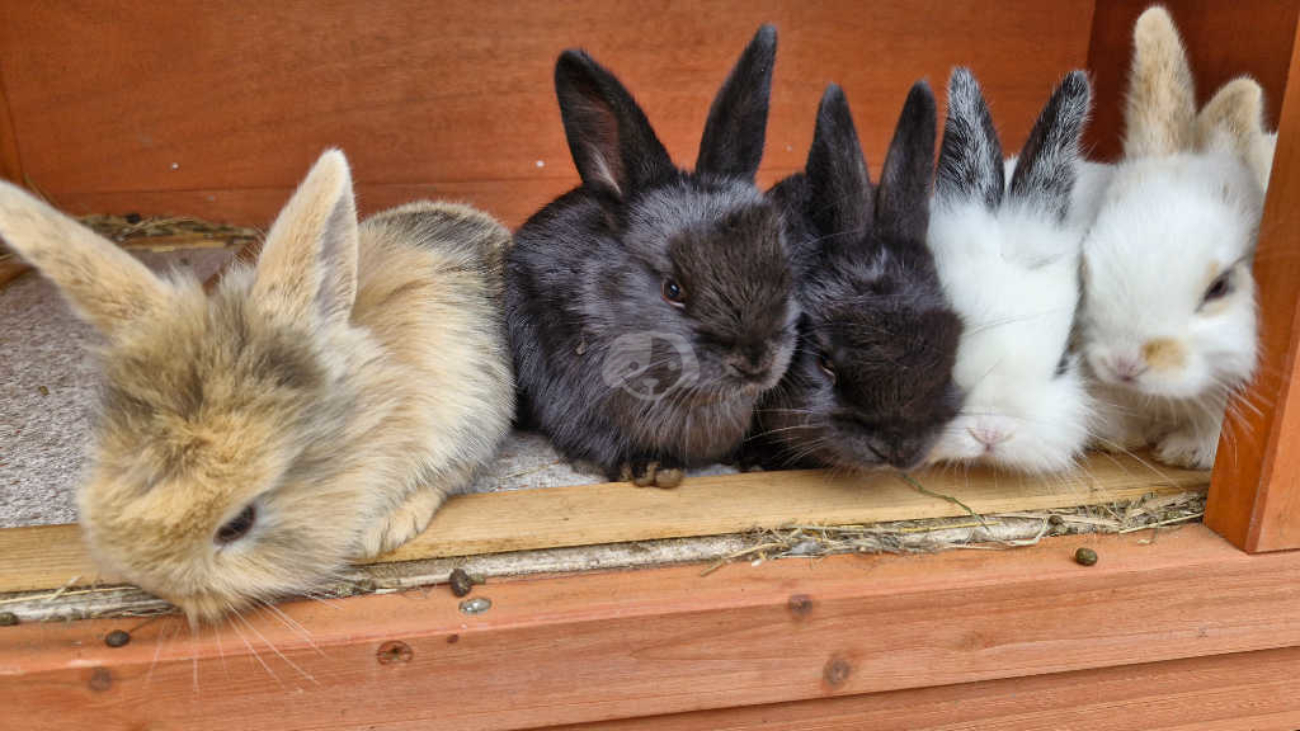
Silver Marten Lop breed

Mistakes to Avoid When Choosing Rabbit Breeds (And What to Do Instead)

1. Choosing Based on Appearance Over Performance

It’s tempting to pick a rabbit because it “looks nice” or has unique colours. But in rabbit farming, beauty doesn’t always mean profit.

Focus on breeds that grow fast, have high meat yield, and are known for good mothering ability.
Ask yourself: How many kilos will this breed give me in 3 months? How many kits per litter? That’s more important than coat colour.

2. Not Considering Local Environmental Conditions

Some rabbit breeds perform well in cooler climates but struggle in hot or humid regions. However, the way you construct your cages can regulate the temperature.

3. Ignoring the Source and Health of the Breeding Stock

Buying rabbits from unverified sources, roadside sellers, or friends without proper records can introduce disease and ruin your breeding goals.

Only buy breeding stock from trusted, disease-free farms with a good track record.

What to check for when buying rabbits:

  • Clean eyes, nose, and ears
  • No signs of diarrhea or mange
  • A good body condition

Dutch Breed

Where to Buy Quality Rabbit Breeding Stock 

Choosing the right rabbit breed is the foundation of a successful rabbit farming business. Whether you’re targeting meat production, breeding stock, or even the pet market, your breed choice will directly impact growth rate, profitability, and ease of management.

Factors like litter size, adaptability to the local climate, and feed efficiency should guide your decision.

At Rabbit Choice Farms Kenya Ltd, we don’t just sell you rabbits—we walk the journey with you.

We offer a contract farming model in rabbit farming designed to help you succeed with minimal risk. Here’s how it works:

  • You buy quality hybrid breeders from us, specially selected for Kenyan conditions.
  • We guide you in constructing the right housing for your rabbits based on your scale and location.
  • You receive training on feeding, disease management, and breeding practices from our experienced team.
  • Once your kits mature, we buy them back from you—giving you a guaranteed market and stable income.

This model is ideal for anyone looking to build a reliable and scalable rabbit farming business.

Ready to start? Comment below or contact us at +254715 626955. 

Frequently Asked Questions

What are the common diseases that affect rabbits in Kenya, and are some breeds more resistant to them? 

Rabbits are hardy when compared to other livestock like cows and chicken. But, some common diseases affecting farmed rabbits in Kenya include:

  • Coccidiosis: This parasitic disease affecting the intestines and liver is a major concern, especially in young rabbits. Poor sanitation and overcrowding can exacerbate its spread.
  • Ear Mites (Ear Canker): These tiny parasites infest the ear canal, causing irritation, inflammation, and crusting.
  • Pneumonia: Respiratory infections, often triggered by poor ventilation, dusty environments, or stress, can lead to pneumonia.
  • Bloat (Tympanites): This condition involves a build-up of gas in the digestive system and can be fatal. Dietary imbalances or sudden changes in feed can be contributing factors.
  • Diarrhoea (Enteritis): Various factors, including diet, stress, and infections, can cause diarrhoea, which can be particularly dangerous in young rabbits due to dehydration.
  • Snuffles (Pasteurellosis): This bacterial infection affects the upper respiratory tract, causing sneezing, nasal discharge, and sometimes eye infections.

Consistent hygiene and proper management are generally more important for preventing diseases than breed selection alone. Ensure you work closely with a vet, especially if you have a commercial farm.

What kind of housing is best for different rabbit breeds in the Kenyan climate? 

The best housing in the Kenyan climate prioritizes good ventilation to prevent heat stress, along with adequate protection from direct sunlight and rainfall. Sufficient space appropriate for the breed’s size is also essential for their well-being.

What is the typical feed for farmed rabbits in Kenya, and are some breeds more efficient at converting this feed into meat? 

Typical feed in Kenya includes commercial pellets supplemented with hay. Meat-producing breeds like the New Zealand White and Californian are often noted for their efficient feed conversion ratios, meaning they gain weight well on less feed.

How often do different rabbit breeds reproduce, and what is the average litter size in Kenya? 

Rabbits reproduce quickly, with a gestation period of about 28-31 days, and does can have multiple litters per year. In Kenya, common meat breeds often have an average litter size ranging from 6 to 9 kits, though this can vary by breed and management.

What is the average market price for rabbit meat in Kenya, and are certain breeds preferred by consumers? 

The average price for a dressed rabbit in Kenya can range from KES 750 to KES 1200, depending on location and market. Generally, consumers prioritize meatiness and size over specific breeds when purchasing rabbit meat.

Need rabbit meat? Order at least 5 kgs from Rabbit Choice Farms at Ksh. 800/Kg. Call us on +254715 626955
mother-b

My Rabbit Just Gave Birth, What Should I Do?

Congratulations on your new litter of bunnies! If you’re raising rabbits for commercial purposes, you can expect a doe to give birth (kindle) up to 6 times a year, depending on your breeding schedule. Each litter typically comprises 6 to 12 kits, meaning a single doe can produce 36 to 72 kits annually.

This is an exciting but crucial time because the survival and health of newborn rabbits depend on proper care. In this article, we’ll guide you through what do after your rabbit gives birth, fostering, and how you can partner with Rabbit Choice Farms Ltd.

The First Few Days-A Hands-Off Approach

The initial hours and days following the birth of your rabbit’s litter are incredibly sensitive. Your primary role during this period is to provide a safe, undisturbed environment that encourages the mother to bond with and care for her young.

  • Observe from a Distance: Resist the natural urge to peek at and handle the newborn bunnies immediately. While your curiosity is understandable, premature interference can have negative consequences. Mother rabbits, particularly first-time mothers, are highly sensitive to disturbances around their nest. 
  • Occasional visits to the nest: The mother will likely spend a significant amount of time away from the nest, as this is natural rabbit behavior to avoid attracting predators. However, you should observe her entering the nest periodically.
  • Nest building or rearranging: She may be adjusting the bedding (hay or fur she has pulled) to keep the kits warm and secure.
  • Nursing posture: If you are fortunate enough to witness it, you might see her lying in the nest with the babies latched onto her nipples. This typically happens once or twice a day for short periods.
  • Seemingly relaxed demeanor: A calm mother is a good sign. Excessive pacing, digging, or agitated behavior could indicate stress.
Rabbit choice farms

Provide a Quiet and Secure Environment

The nesting area must be a sanctuary of peace and security for the new family. Minimize all potential disturbances:

  • Reduce noise levels: Keep the surroundings quiet. Avoid loud music, sudden noises, and boisterous activity near the rabbit’s enclosure.
  • Limit foot traffic: Restrict access to the area around the cage to only essential caregivers.
  • Avoid sudden movements: When you do need to be near the enclosure, move slowly and deliberately to avoid startling the mother.

Monitor the Babies After the First 24 Hours

While it’s essential to avoid immediate handling, after the initial 24 hours have passed, it’s wise to perform a brief and gentle check on the litter. This allows you to ensure the basic well-being of the newborns without causing undue stress to the mother.

Approach the nest calmly and speak softly to the mother. If she seems overly agitated, postpone the check. When you do proceed:

  • Wash your hands thoroughly: This minimizes the transfer of your scent to the babies.
  • Gentle observation: Briefly and carefully look at the babies. You are checking for:
    • Warmth: They should feel warm to the touch, indicating the mother has been keeping them warm.
    • Dryness: They should be dry and not appear damp or chilled.
    • Full bellies: Their bellies should appear rounded and slightly distended, indicating they have been feeding. You might even see a faint “milk band” through their thin skin.
    • No obvious injuries or deformities: Visually scan for any apparent physical issues.
  • Minimize handling: If you need to touch a baby, do so very gently and quickly. Avoid picking them up unless absolutely necessary (e.g., if one has strayed far from the nest and appears cold). If you must move a baby, try to use some of the mother’s fur to transfer your scent.

Caring for the Mother Rabbit

Proper care for the mother rabbit (doe) after birth is essential for her recovery and the health of her kits. Here’s how to support her during this critical period:

  • Nutrition: Provide a nutrient-rich diet consisting of high-quality hay, and a balanced portion of pellets. This helps maintain her strength and ensures she produces enough milk for her kits.
  • Water: Always keep fresh, clean water available, as lactating rabbits require more hydration to support milk production.
  • Rest & Comfort: Minimize handling and disturbances to reduce stress. A quiet, secure environment allows the mother to rest and bond with her babies, improving their chances of survival.

Caring for the kits (Baby Rabbits)

Newborn rabbits (kits) are delicate and require special care to ensure they grow healthy and strong. Here’s what you need to know:

  • Minimal Handling: Avoid touching the kits during the first few weeks, as excessive handling can stress the mother and disrupt feeding.
    • If handling is necessary, wash your hands thoroughly with soap and water to avoid transferring human scent.  You can also use the mother’s fur to acquire the scent.
  • Weaning: Baby rabbits typically begin weaning at 4 to 6 weeks of age. Gradually introduce them to solid foods like hay and high-quality rabbit pellets while ensuring they still have access to their mother’s milk.
  • Socialization: Once weaned, begin handling the kits gently to get them accustomed to human interaction. Gradual socialization helps them develop into calmer, healthier rabbits, whether for breeding, meat production, or as pets.

Fostering in Rabbits: What It Is and How to Ensure Kit Survival

Fostering in rabbits involves transferring newborn kits from one mother (doe) to another for nursing. This is done when the biological mother is unable to care for her litter, such as in cases of a large litter, rejection, illness, or death of the mother. 

In commercial rabbit farming, fostering helps maximize kit survival rates and ensure even milk distribution among litters.

Read our detailed guide on getting started for commercial rabbit farming in Kenya.

Why Fostering Happens

Fostering is necessary in the following situations:

  • Large litters – A mother with too many kits (beyond 8–10) may struggle to provide enough milk, leading to weaker babies.
  • Rejection – Some does may refuse to nurse their kits due to stress, inexperience, or health issues.
  • Death or illness of the mother – If the mother dies or becomes severely ill, fostering ensures her kits still receive the necessary care.
  • Uneven litter sizes – If one doe has a small litter and another has a large one, balancing the numbers can improve survival rates.
Commercial rabbit farming in Kenya

How to Successfully Foster Kits

To ensure the survival of fostered kits, follow these steps:

  1. Choose a suitable foster mother
    • The foster doe should have kits of a similar age (ideally within 2–3 days of the ones being fostered).
    • She should be in good health and already nursing her own litter successfully.
  2. Mask the scent
    • Rabbits recognize their young by smell, so rubbing the new kits with the nesting material from the foster mother’s nest helps them blend in.
    • You can gently rub the foster kits against the foster mother’s fur to transfer her scent.
  3. Introduce the kits carefully
    • Place the foster kits among the biological kits when the mother is away from the nest.
    • Observe discreetly to ensure the foster mother accepts and nurses all the kits. If she rejects them, try a different foster doe.
  4. Monitor Feeding and Growth
    • Check all kits daily to ensure they are warm and well-fed. A well-fed kit will have a round belly, while a starving kit will appear thin and wrinkled.
    • If necessary, reattempt fostering with another doe or consider hand-feeding (though this has a lower success rate).

Get Assistance For All Your Commercial Rabbit Farming Needs

Raising rabbits, especially after birth, requires careful attention to both the mother and her kits. By providing proper nutrition, ensuring a safe and stress-free environment, and addressing common challenges like rejection, fostering, and illness, you can significantly improve survival rates and overall productivity.

At Rabbit Choice Farms Ltd, we are dedicated to helping farmers succeed in commercial rabbit farming. Whether you’re a beginner or an experienced farmer, we offer rabbit cage construction, hybrid breeders, expert training, and guaranteed market access through contract farming.

Join us today! Let us help you build a profitable rabbit farming business with quality breeders, expert guidance, and reliable market opportunities.

Got a question? Contact us at +254715 626955 or email us at info@choicefarms.co.ke

rabbits-cover

The Most Frequently Asked Questions On Commercial Rabbit Farming

Starting and managing a commercial rabbit farm is Kenya can be a rewarding venture, offering both financial and personal fulfillment. However, like any business, it comes with its own set of challenges and questions. 

Whether you are a newcomer to the world of rabbit farming or looking to expand your existing operations, understanding the ins and outs of commercial rabbit farming is crucial.

In this guide, we’ll address the most frequently asked questions about commercial rabbit farming. Let’s get started:

Is Rabbit Farming Profitable?

Yes. Rabbit farming can be highly profitable when managed effectively. Rabbits are prolific breeders and have relatively low maintenance costs compared to other livestock.

Here’s how:

  • A doe’s reproduction cycle: A healthy doe can give birth to an average of 6 kits every two months, amounting to 36 kits per year.
  • Lifespan of a doe: A doe can live and remain productive for 3-5 years, giving birth to approximately 108 to 180 kits in her productive lifetime.
  • Market readiness: Kits reach market weight (around 3-4 kg) within 4-5 months, making the production cycle relatively short.
  • Feed consumption: Rabbits feed on rabbit pellets, hay, wilted vegetables, and water. You graduate the quantity of pellets from 25g, 50g, 75g to 100g at maturity.
  • Pellet cost: A kilogram of pellets costs approximately 50 (Ksh)/ Kg. Thus, feeding one kit to maturity costs 400-600 Ksh.
  • Market price: Mature rabbits typically sell for Ksh 900–1,500 each, depending on their weight and the market demand. (At rabbit choice farms, we currently buy mature rabbits at 300/kg Live weight)
  • Profit margin per rabbit: Assuming an average sale price of Ksh 1,200 and feeding costs of Ksh 600, the profit per rabbit is Ksh 600. You should also factor in costs like housing, labor, and veterinary. Ideally, with proper breeding, you should break even after your 5th sale.

With proper management, you can expand your rabbitry within a short period and create a reliable income stream.

What are the advantages of rabbit farming?

Keeping rabbits as a commercial venture comes with various benefits. Some advantages you’ll enjoy include:

  • High reproductive rate– each producing 6 to 12 kits per litter with multiple litters yearly.
  • Low investment and maintenance costs since you need small spaces, minimal feed, and relatively low start-up costs.
  • Rabbits grow fast, attaining market weight (2.5–4kg) in just four or five months.
  • Rabbit meat is lean and nutritious– healthy, low-fat, high-protein alternative.
  • Rabbit farming gives multiple revenue streams from selling meat, live rabbits, rabbit urine, manure, etc.
  • Rabbit meat and other products have constant demand. For instance, at Rabbit Choice Farms, we guarantee to buy the rabbits back from you if you get our breeding stock.
  • Rabbits are disease resistant requiring simple care for and management.

What is the best cage design for rabbit farming in Kenya?

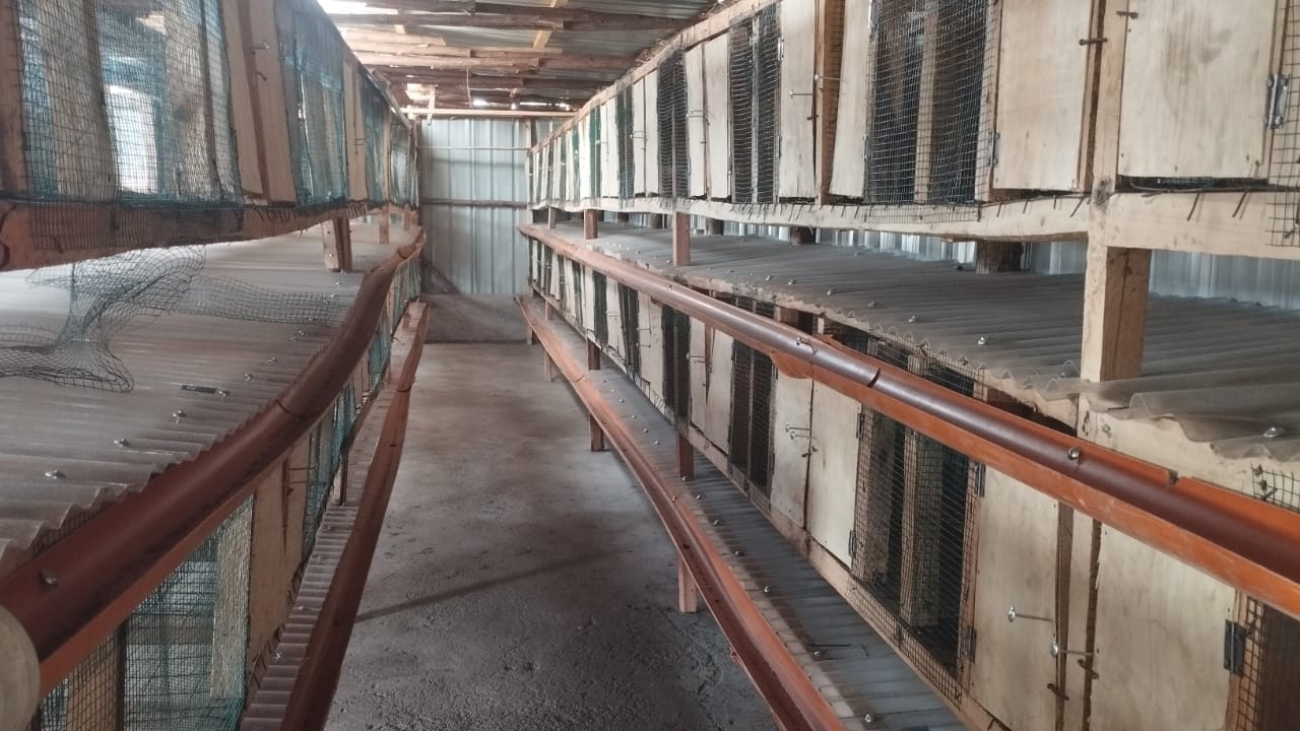
The best cage design for rabbit farming in Kenya incorporates a self-cleaning mechanism that ensures hygiene and ease of maintenance. These cages use a rabbit mesh and wire mesh floor to allow droppings to fall through while providing comfortable support for the rabbits.

Beneath the floor, translucent slanted plastic sheets or gutters are installed to trap and guide urine into a collection container or drainage system. 

This separation of waste prevents contamination, reduces odor, and minimizes the buildup of ammonia, which can cause respiratory issues in rabbits. Additionally, the translucent material makes it easy to monitor and clean the system, ensuring optimal functionality.

This rabbit housing design benefits you by allowing you, improved hygiene, reduced labor for cleaning, and better overall rabbit health. The effective separation of droppings and urine helps prevent diseases like coccidiosis while also allowing you to collect manure and urine.

The structure is also well-ventilated to further reduce humidity and odor, creating a productive and sustainable farming system suited to Kenya’s growing rabbit farming industry. 

The cages should also be big enough (ideally 2 feet by 2 feet by 2.5 feet) to allow the rabbits to stretch and move around freely.

What should I feed my rabbits to help them gain weight?

To help your rabbits gain weight in a healthy and sustainable way, you need a balanced diet that includes rabbit pellets, hay, wilted vegetables, and water.

Let’s look at these in detail:

  • Rabbit pellets: These are high in protein and energy, making them essential for weight gain. They provide a nutritionally balanced diet with all necessary vitamins and minerals. Use pellets with 16–18% protein and avoid sugary additives.
  • Hay: This is critical for digestion and dental health due to its high fiber content. Look for hay, which is rich in protein and calcium, especially for weight gain in underweight or young rabbits. Always provide unlimited hay daily.
  • Wilted vegetables: Vegies like carrots, kale, and spinach provide essential vitamins and nutrients while being easier to digest than fresh ones. They add variety to the diet and can support weight gain when introduced gradually. Give vegetables occasionally.
  • Fresh, clean water: Water is essential for hydration, digestion, and nutrient absorption. Ensure rabbits have constant access to clean water, as dehydration can hinder weight gain and overall health. Refresh the water daily.

Read our detailed guide on getting your rabbit to gain weight faster.

How can I find buyers for rabbit meat in Kenya?

Several companies in Kenya specialize in buying rabbits for meat.

At Rabbit Choice Farms, we buy live rabbits from farmers. We process and sell the meat. The rabbits have to be healthy, hybrid with an average weight of 3kgs. If you bought the breeder stock from us, we guarantee to buy from you once your kits are ready for market.

Do you have rabbits ready for selling? Fill out this form, and we’ll get back to you.

Other companies that buy live rabbits include RABAK (Rabbit Breeders Association of Kenya) and Rabbit Crew Kenya.

Image credit: Rabbit Crew Kenya

These companies prefer live rabbits to ensure proper slaughter and meat preparation under hygienic conditions, in line with health and safety standards.

You can also opt for supermarkets and high-end grocery stores that often sell specialty meats like rabbit meat—approach them to offer your product. Hotels, restaurants, and resorts may also demand rabbit meat as a delicacy; connecting with chefs or procurement teams can open opportunities for regular supply.

Don’t forget to sell your rabbit meat to friends, family, and neighbors who value its health benefits. This small-scale approach can provide consistent demand, and word-of-mouth recommendations can help you grow your customer base.

Where can I buy rabbit meat locally in Kenya?

  • Rabbit Choice Farms: We offer high-quality, hygienically prepared rabbit meat. We are a trusted supplier for both individuals and businesses.

Order now on +254715 626955

  • Supermarkets: Leading chains like Naivas and Carrefour often stock rabbit meat in their specialty meat sections.

Photo credit: Local Supermarket

  • Local butcheries: Some butcheries, especially in urban or high-end areas, carry rabbit meat—check with those offering diverse meat options.
  • Farmers and online platforms: Farmers sell rabbit meat directly, often advertising on platforms like Facebook Marketplace or agriculture-focused WhatsApp groups, ensuring freshness and affordability.

Is there a growing demand for rabbit meat in Kenya in 2025?

According to Statista, the overall meat market in Kenya is projected to grow by 10.51% between 2024 and 2029, with an expected volume of 1,509 million kilograms by 2029. Specifically, a volume growth of 5.8% is anticipated in 2025.

Google Trends shows a sustained increase in the  “Rabbit Meat” Search term in Kenya over the past five years. This shows a demand in the same.

Another research shows that after a decline in 2020, the demand for rabbit meat in Kenya has been on a significant increase of 0.4%, reaching a value of $3.4 million

How Can Rabbit Choice Farms help me with rabbit farming in Kenya

Rabbit Choice Farms offers comprehensive, end-to-end solutions for farmers in Kenya to ensure a successful and sustainable rabbit farming venture. Here’s how we can help:

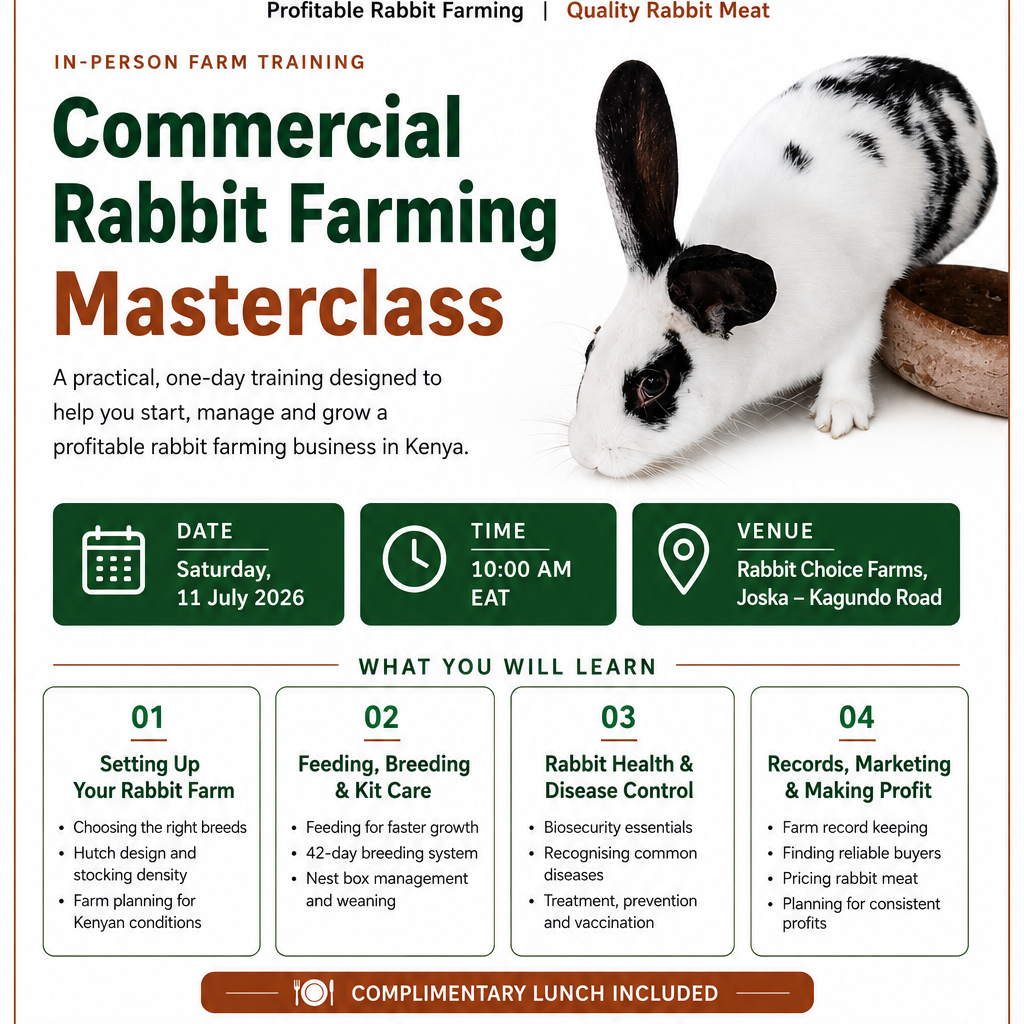
  1. Training: We provide expert training to equip you with essential skills and knowledge on rabbit farming. This covers best practices in breeding, feeding, and handling rabbits, as well as tips for optimizing production and maintaining healthy livestock. Book our commercial rabbit farming training this and every Thursday in 2025.
  2. Rabbit cages construction services: We offer professional rabbit hutch construction services. Our team helps build durable, well-ventilated, and hygienic rabbit hutches that promote healthy conditions for the rabbits. This is key to maximizing productivity and preventing diseases.
  3. Disease management: Our services include advice on proper disease management practices, regular health checks, and access to veterinary support.
  4. Selling quality rabbit breeders: We provide high-quality rabbit breeds that are hybrids to help you start or expand your rabbit farming operations. These breeders are selected for their strong growth rates, disease resistance, and high reproductive performance, ensuring that farmers can achieve maximum profitability.
  5. Buying back rabbits: We offer contract farming, where we purchase rabbits from farmers for meat production. This gives you a consistent market for your rabbits, allowing you to sell your livestock at competitive prices. 

Got a question on rabbit farming? Post it on the comment section below or send us on +254715 626955

Cooked meat

Easy Rabbit Meat Recipes For Kenyans- Roasted and Fried

When it comes to healthy and flavorful dishes, rabbit meat deserves a spot on your table. Rabbit meat is not only tender and delicious but also incredibly lean, packed with protein, and low in cholesterol, making it a perfect choice for those seeking a nutritious alternative to traditional meats.

At Rabbit Choice Farms, we don’t just provide you with premium-quality rabbit meat; we also empower individuals to venture into rabbit farming through expert consultancy. Whether you’re a culinary enthusiast eager to try a new recipe or someone considering sustainable farming opportunities, we’re here to guide you.

To order our top-quality rabbit meat, or reach out to us to learn how you can start your own rabbit farming journey, contact us today.

Here are two different ways you can cook your rabbit meat:

Recipe for Roasted Rabbit

Ingredients:

  • 1 rabbit (cleaned and cut into pieces)
  • 2 tablespoons cooking oil
  • 2 cloves garlic, grated
  • 1 piece ginger, grated
  • 1 teaspoon rosemary
  • 1 teaspoon salt
  • 1/2 teaspoon white pepper
  • 1/2 teaspoon paprika
  • 1 lemon or lime (optional)
  • 1 onion, sliced into rings (optional)

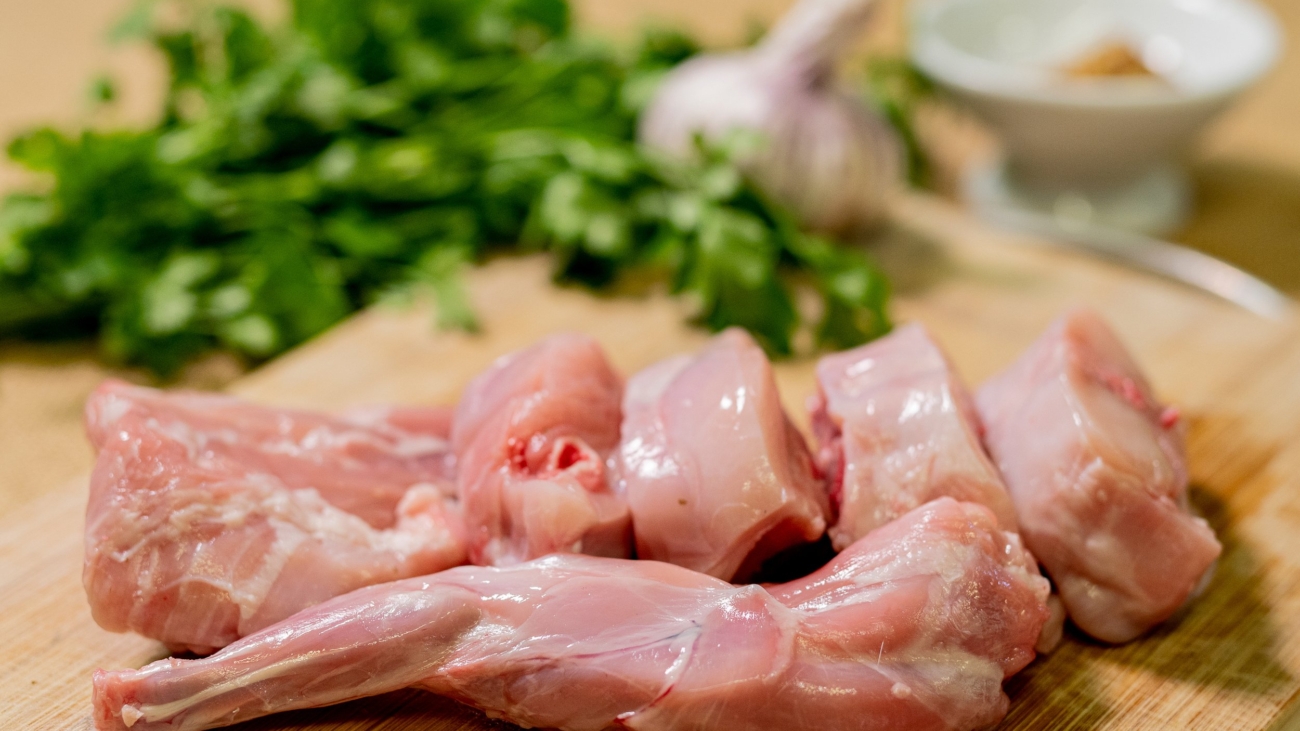
Clean rabbit meat from Rabbit Choice Farms

Instructions:

  1. Clean and cut the rabbit into manageable pieces.
  2. In a bowl, mix cooking oil, garlic, ginger, rosemary, salt, white pepper, and paprika.
  3. Add lemon or lime juice to the marinade for a tangy flavor, if desired.
  4. Pour the marinade over the rabbit pieces and coat evenly.
  5. Cover with cling film and let it marinate for at least 1 hour or up to 6 hours in the fridge.
  6. Preheat the oven to 170°C.
  7. Arrange the marinated rabbit pieces and onion rings (if using) on a baking tray.
  8. Roast for 40–50 minutes, turning the pieces halfway through.
  9. Check for doneness by ensuring the juices run clear or the internal temperature reaches 75°C.
  10. Serve hot with ugali, potatoes, or your favorite side dish.
Roasted rabbit on a plate

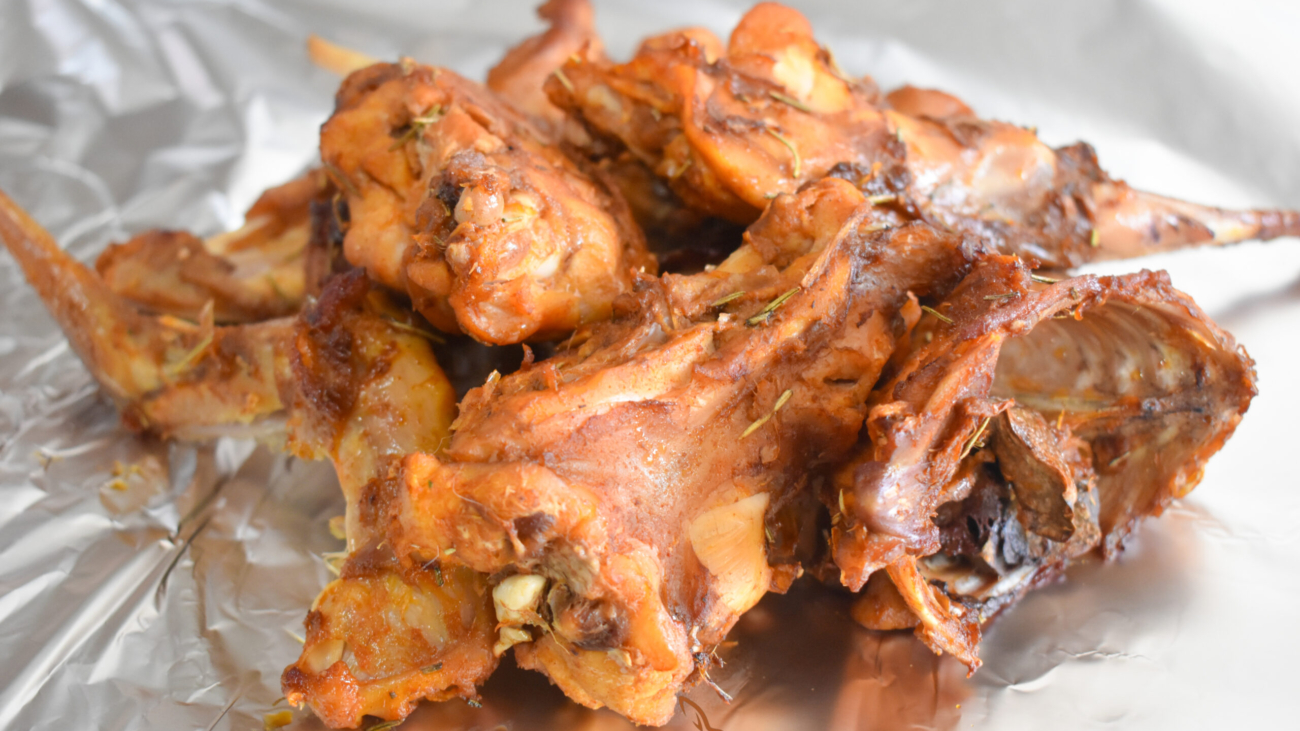
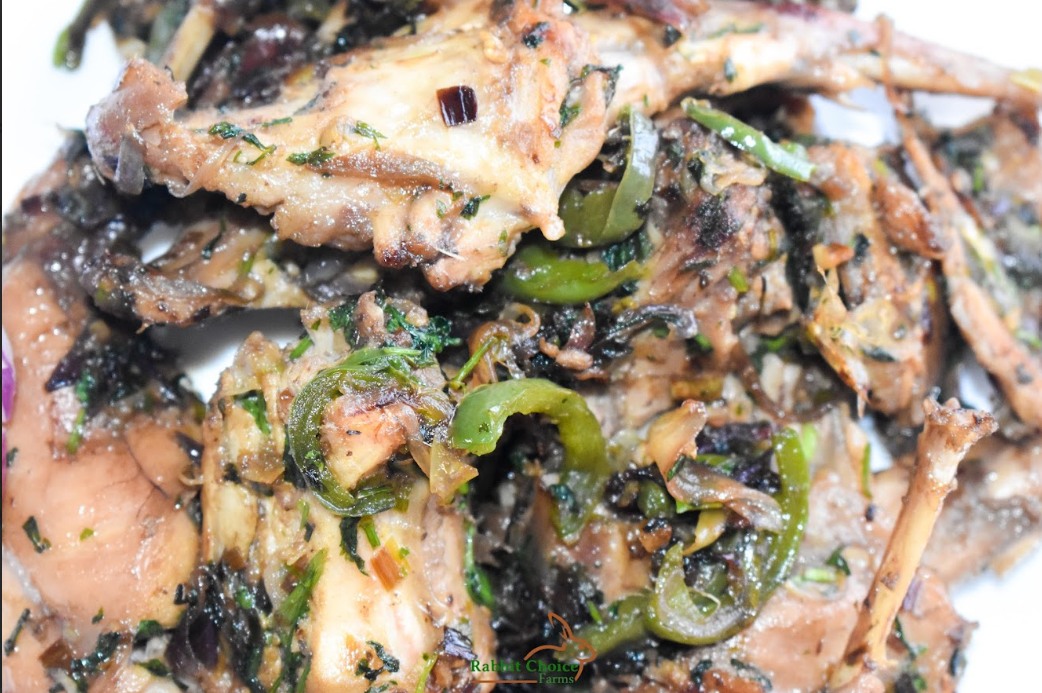
Recipe for Dry-Fried Rabbit

Ingredients

  • 1 rabbit (cleaned and cut into pieces)
  • 2 onions, finely sliced
  • 1 green bell pepper, diced
  • 2 bay leaves
  • 2 cloves garlic, minced
  • 1 piece ginger, minced
  • 1 teaspoon white pepper
  • Salt to taste
  • 2 tablespoons cooking oil
  • Fresh coriander (chopped, for garnish)
Rabbit meat in kenya

Instructions

  1. Cut the rabbit into manageable pieces.
  2. Boil the rabbit in water with onions, garlic, ginger, salt, white pepper, and bay leaves until tender, then drain.
  3. Alternatively, season the rabbit with salt and white pepper, heat 1 tablespoon of oil in a frying pan, and fry the pieces until golden brown on all sides (8–10 minutes), then set aside.
  4. In the same pan, heat 1 tablespoon of oil and sauté onions, garlic, and ginger until golden brown and tender.
  5. Add the green bell pepper and cook for 2–3 minutes.
  6. Return the rabbit to the pan, mix well, and season with your preferred spices.
  7. Adjust the seasoning to taste, cover, and simmer for 5 minutes.
  8. Garnish with fresh coriander and serve hot with ugali, rice, or your favorite side dish.
Cooked dry fry rabbit
Roasted rabbit, ugali and veges

Read on

What Do I Need to Create a Commercial Rabbit Farm in Kenya?

5 Reasons Why Farming Rabbits is Easier and Better Than Farming Other Animals

rabbits-courtesy

5 Reasons Why Farming Rabbits is Easier and Better Than Farming Other Animals

Commercial rabbit farming in Kenya has long been ignored. In recent years, however, rabbit farmers have raised meat-producing rabbits for commercial purposes and have earned good money from them.

Backyard rabbit farming can be very lucrative if you’re constrained by space. The advantages of rearing rabbits for meat are closely related to rabbits’ reproductive and feeding patterns. 

Rabbit meat is highly nutritious, delicious, and lean and can significantly upgrade the family diet. Whether you are a large-scale farmer or a consumer looking for a ready source of meat to keep in your backyard, rabbits are meat sources worth considering. 

Are you still on the fence regarding rabbit farming? Here are some reasons why rabbits are highly beneficial as a meat producing animal:

Simple rabbit housing structure

Image source

Advantages of Rabbit Farming 

Let’s look at what makes rabbits stand out compared to other common farm animals like cows, pigs, goats, and even chicken.

High Nutritional Value

Rabbit meat is highly nutritious and one of the best sources of protein. 

Here are some nutritional facts about rabbit meat:

  • It is lower in fat and lower in fat and cholesterol than beef, turkey, pork, and chicken meat. For instance, rabbit meat is richer in calcium and phosphorus than other meat sources and contains almost half the cholesterol in beef. 
  • Rabbit meat is an excellent source of B vitamins (Vitamin B12 and Niacin), essential for helping our bodies use energy from food and for healthy skin, nerves, hair, and muscles.
  • Excellent for body metabolism: Due to its numerous nutrients and tenderness, it is easy to digest and, therefore, helps maintain a healthy digestive system and enhance nutrient absorption. 

Economic Aspect

Rabbit farming has many economic advantages compared to meat-producing animals such as cattle, pigs, and poultry. 

These include: 

  • Ready market: We offer contractual rabbit farming services at Rabbit Choice Farms. We partner with you at all steps from breeding to feeding and disease management, and we buy your stock once it is ready for selling. Talk to our consultants now and get the assistance you need to begin your commercial rabbit farm in Africa.

Talk to Rabbit Choice Farms Consultants.

  • Start-up costs: The initial investment in constructing hutches or cages for rabbits is relatively low compared to larger animals. For instance, cattle and poultry farming also requires the establishment of barns and fences on more extensive land, which can be more costly. 
  • Feed cost: Rabbits convert feed to meat more efficiently than other animals. They feed on hay, greens, and specially formulated, cost-effective pellets. On the other hand, animals such as cattle require more feed and have longer growth periods, making them cost-efficient. Poultry can also be efficient, but the cost of their feed fluctuates. 
  • Lower labour costs: Farming rabbits requires less manpower, as work can be done by family members, such as women and children, or even the aged and members with physical handicaps. This means that the vulnerable and less privileged members of society can have a less demanding, cost-effective venture with attractive returns. 
Rabbits in a commercial farm

Image credit

Environmental Impact

Rabbit farming offers an eco-friendly alternative for meat production compared to other meat production mechanisms. 

Rabbits are known to produce less methane compared to the larger meat producers, hence contributing to a lower carbon footprint. Here are some benefits:

  • Efficient land use: Rabbit farming uses smaller spaces, making it suitable for urban and suburban dwellers. Compared to other meat sources, it requires less land per kilogram. For instance, cattle and pig farming require extensive land, which can lead to deforestation. Poultry farming may require less land than cattle and pig farming but more than rabbit farming per kilogram of meat.
  • Lower water requirements: Rabbits are more sustainable in arid and water-scarce regions due to their low water requirements. Cattle consume much water, while pigs are moderate, demanding a significant water resource strain. The water requirement for poultry is lower than that for pigs but can vary depending on production. 
  • Waste management: Rabbit manure is rich in nutrients and can be effectively used as fertilizer. Rabbit manure is known to be four times more potent than cow manure and twice as rich as poultry waste due to the loss of nutrients in cattle and chicken manure as you wait for them to be helpful.

Less Disease Risk

Rabbits usually are less susceptible to diseases that affect larger livestock. These include foot-and-mouth disease in cattle and pigs and avian influenza in poultry. 

By keeping their environment clean, dry, and well-ventilated, the health of rabbits can be significantly enhanced. Another good health habit for rabbits is to avoid overcrowding. 

With such low disease control management requirements, veterinary costs decrease, reducing the economic impact on you, the farmer. 

Their short reproduction cycles and high turnover also help mitigate the risks associated with longer growth periods for other livestock. 

Rapid Growth and Reproduction

With their high feed conversion efficiency, rabbits have a high growth rate. At 12 weeks, they attain a market weight of around 3-4 kgs. Compared to other livestock, rabbits are also highly reproductive. 

They become sexually mature within just a few months of birth and have short pregnancies of around a month. 

A single doe can produce several litters yearly, including 25 to 50 live rabbits. Each litter averages between five to eight baby rabbits. They have the potential to be in a constant state of reproduction and hence can be rebred immediately after giving birth. 

Larger animals, such as pigs and cattle, have more extended gestation periods and lower reproductive rates, making them less efficient in output.

Let’s partner and help you tap into this growing market

As the world continues to seek alternative, healthy protein sources, rabbit meat is rapidly gaining traction as the most sustainable and viable option. 

Rabbit meat offers many benefits, including its rapid growth and high feed conversion rate, which set it apart from other meat-producing animals. By embracing rabbit farming, you will contribute to the community’s nutritional needs while making a decent living from it. 

Moreover, you do not have to search for the market for your rabbits. At Rabbit Choice Farms, we buy your rabbits once they hit 5 months. 

Begin your rabbit farming journey today.

rabbit meat

Should I Eat Rabbit Meat? 10+ Reasons Why You Should

Today, the demand for healthier, more sustainable food options is on the rise, and rabbit meat is gaining attention as a nutritious alternative. 

But is it worth adding to your plate? Rabbit farming has deep roots in African communities, but many people are still unaware of the incredible benefits this lean, flavorful meat offers. 

From its high protein content to its richness in omega-3 fatty acids, rabbit meat has a lot to offer you if you’re seeking a healthier lifestyle. 

Are you a fitness enthusiast, looking to boost your diet, or simply curious about new food options? Here’s why rabbit meat could be your next favorite meal!

Image source

Nutritional Benefits of Rabbit Meat

Rabbit meat is a superior choice compared to other meats due to its nutritional value, environmental sustainability, and affordability.

Here are some reasons why you should add rabbit meat to your weekly menu:

1.Lean Protein

  1. Rabbit meat is an excellent source of lean protein, containing approximately 29 grams of protein per 100 grams, which is higher than that found in beef and chicken. 

This makes it an ideal choice for those if you want to increase your protein intake without consuming excessive fat. 

Here’s a quick table for comparison.

Meat TypeProtein per 100g (grams)
Rabbit29 g
Chicken (breast)24 g
Chicken (thigh)23 g
Chicken (drumstick)18 g
Beef (lean)26 g
Beef (non-lean)20-22 g
Pork (lean)22 g
Lamb25 g
Fish (Tilapia)26 g
Fish (Salmon)25 g

Source: USDA FoodData Central

2. Low Fat and Cholesterol

  1. Rabbit meat is notably low in fat, with only about 3 grams of fat per 100 grams, and is lower in cholesterol than other meat. For instance, beef contains  10-15 grams of fat per 100 grams, while chicken stands at 6-10 grams.

This low-fat content contributes to heart health and reduces the risk of high cholesterol-related diseases, making it a heart-healthy option.

3. Essential Nutrients

  1. In addition to being a rich protein source, rabbit meat is high in essential vitamins and minerals. 

It contains significant amounts of B vitamins, particularly B12 and niacin, which are crucial for energy metabolism and red blood cell formation. 

Rabbit meat also provides iron, zinc, and selenium, supporting immune function and overall health.

4. Omega-3 Fatty Acids

Rabbit meat is a good source of omega-3 fatty acids, which play a vital role in promoting cardiovascular health and supporting brain function. Compared to other meats, it contains higher levels of these healthy fats, making it an excellent choice if you want to boost your omega-3 intake.

Environmental Sustainability of Rabbit Farming

Rabbit farming is an environmentally sustainable venture. Here’s how:

5. Reduced Carbon Footprint

  1. Rabbit farming has a lower environmental impact compared to traditional livestock farming. Rabbits produce less greenhouse gas per kilogram of meat produced, making them a more sustainable protein source.

6. Efficient Feed Conversion

Rabbits are highly efficient in converting feed into meat, requiring less feed than larger livestock to produce the same amount of meat. This efficiency contributes to lower resource consumption in rabbit farming.

7. Minimal Land Use

  1. Rabbit farming requires significantly less land than cattle or sheep farming, making it a viable option for small-scale farmers and those with limited agricultural space. Here’s an example of innovative rabbit hutches using minimal space.

Credit: Rabbit Choice Farms Social media pages

Additionally, rabbits consume less water compared to other livestock, further enhancing their sustainability as a meat source in regions where water scarcity is a concern.

8. Rabbit Meat is Affordable

Rabbit meat is quite affordable. Retailing at Ksh. 800- 1500 per kg, making it an accessible protein source for many households. 

And, buying rabbit meat is an opportunity to support local rabbit farmers, and stimulate the economy and promote sustainable agricultural practices. 

9. Economic Opportunities

Companies like Rabbit Choice Farms are spearheading the growth of rabbit farming in Kenya, presenting economic opportunities for farmers, including job creation and income generation. As demand for rabbit meat increases, so does the potential for local farmers to thrive.

10. You can Cook Rabbit Meat in Diverse Ways

You can prepare your rabbit meat in various ways, including grilling, roasting, and stewing. This versatility allows you to incorporate it into numerous dishes, from Ugali, rice, chapati, matoke, and basically any meal you crave.

11. Flavor Profiles

Rabbit meat has a mild, gamey flavour that can be seasoned to suit different cuisines, making it adaptable for various recipes. It pairs well with herbs and spices, enhancing its taste in dishes from stews to gourmet presentations.

Frequently Asked Questions

How Does Rabbit Meast Taste?

Many people may have misconceptions about the taste of rabbit meat, often viewing it as unappealing. However, when properly prepared, rabbit meat is tender and flavorful, comparable to chicken and other meats.

How Are Our Rabbits Kept?

We practice excellent hygiene standards and ensure humane treatment and sustainability in rabbit production in our farms.

Where Can I Buy Rabbit Meat In Kenya?

At Rabbit Choice Farms, we supply rabbit meat in various parts of the country. Give us a call on 

+254715 626955, and you’ll get your desired quantity. You can also buy rabbit meat from supermarkets like Carrefour, Naivas, etc.

Become a Rabbit Farmer

Besides eating the meat, you can also become a rabbit farmer.

At Rabbit Choice Farms, we support you every step of the way. By becoming a contracted rabbit farmer with us, you gain access to continuous guidance and support from our experienced team, ensuring you have the resources and knowledge to succeed. 

Additionally, we offer a guaranteed market for your rabbits, eliminating the stress of finding buyers and allowing you to focus on what you do best—raising healthy, high-quality rabbits.

Sign up NOW to begin now.

cages........

Why Rabbit Farming in Kenya is Growing at An Incredible Pace

Rabbit farming in Kenya is experiencing a remarkable surge, driven by various factors including nutritional benefits, market demand, and economic opportunities. This post explores the reasons behind this growth and its implications for farmers & the economy.

Growing Demand for Rabbit Meat

The demand for rabbit meat in Kenya is escalating, particularly among high-end consumers. Notably, five-star hotels in Nairobi are increasingly sourcing rabbit meat due to its nutritional advantages.

Rabbit meat is rich in protein (20%) and low in fat (4%), making it an attractive option for health-conscious consumers, including those with specific dietary needs such as patients with high blood pressure and cancer.

Moses Mutua, the founder of Rabbit Republic, highlights that his company supplies four tonnes of rabbit meat monthly to various hotels, indicating a robust market that is largely unmet by local production, as most imports come from neighboring countries like South Africa and Ugandz.

Economic Viability and Livelihood Opportunities

Rabbit farming presents a lucrative opportunity for many Kenyans. The industry has evolved from being a hobby to a significant source of income for small-scale farmers. Research indicates that 84.8% of rabbit production in Kenya is small-scale, primarily aimed at income generation and home consumption.Farmers like Antony Ogal have capitalized on this trend by contracting other local farmers to meet increasing demand. His initial success in supplying rabbits led him to expand his operations by training others, thereby fostering community involvement and economic growth.

Nutritional Awareness and Cultural Shifts

Historically, rabbits were viewed primarily as pets or food for dogs. However, changing perceptions about their nutritional value have led to greater acceptance as a viable food source. The government and various organizations have played pivotal roles in promoting rabbit farming through awareness campaigns and training programs aimed at improving husbandry practices.The shift towards recognizing rabbits as a sustainable source of protein aligns with global trends emphasizing health and nutrition. This has encouraged more farmers to invest in rabbit production as a means to combat malnutrition and poverty within their communities.

Challenges and Future Prospects

Despite the growth potential, rabbit farming in Kenya faces several challenges. Key issues include inadequate husbandry practices, limited access to quality breeding stock, and high feed costs. Additionally, marketing remains fragmented; many farmers sell directly to consumers or negotiate with hotels individually rather than through organized markets.

However, the future looks promising. With increasing urbanization and population growth driving demand for alternative protein sources, rabbit farming could significantly contribute to food security in Kenya. Moreover, innovative practices such as artificial insemination could enhance breeding efficiency and productivity.

Conclusion

Rabbit farming is rapidly becoming one of the fastest-growing agricultural sectors in Kenya. As awareness of its health benefits spreads and market demand rises, more farmers are likely to engage in this profitable and sustainable venture. With continued support from government initiatives and community engagement, rabbit farming could play a crucial role in enhancing livelihoods while addressing nutritional needs across the country.