Cart is empty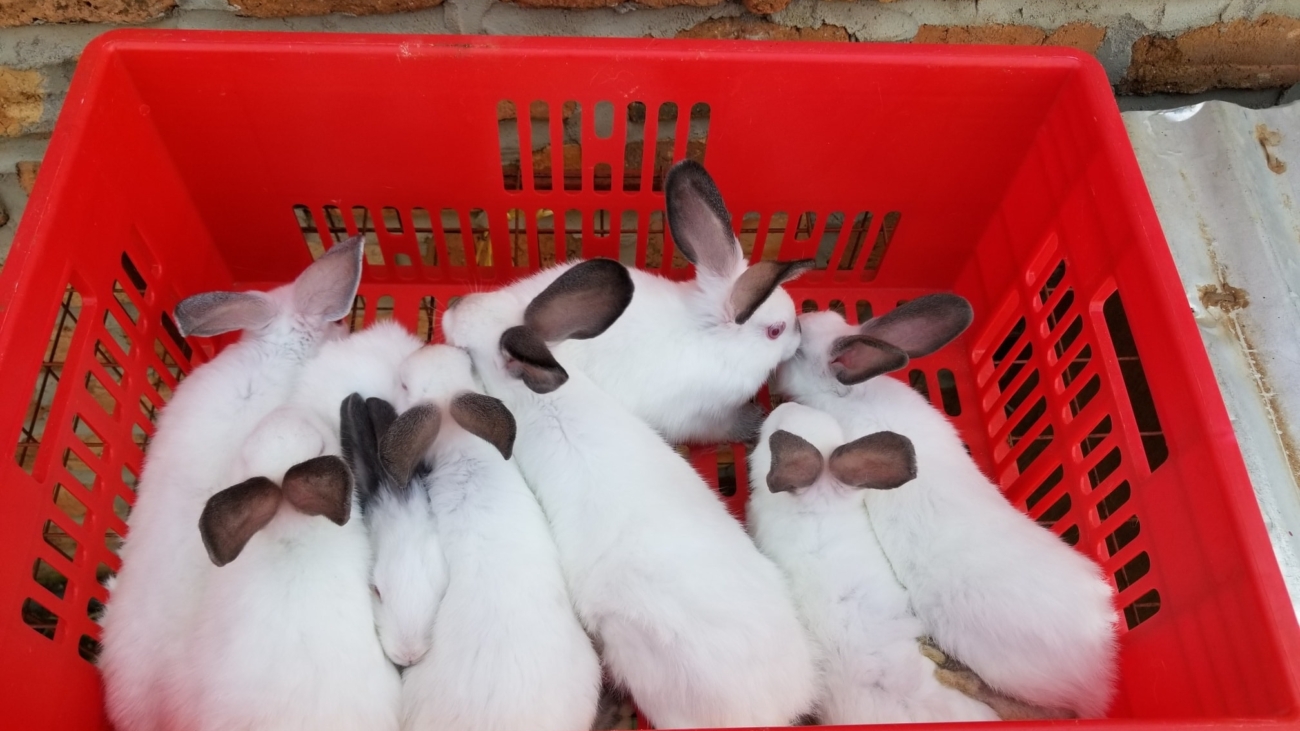
Rabbit farming is an attractive farming venture for anyone looking for a profitable investment. Rabbits are known for their high reproductive rate and short gestation period, leading to rapid growth of your herd. They are also efficient feed converters, turning their food into high-quality meat.
Starting a rabbit farm requires a relatively low initial investment and minimal space, making it accessible to many. Additionally, there’s a strong market demand for rabbit meat, which is prized for its tenderness, flavour, and low cholesterol content.
As a farmer, you want faster meat growth for your rabbit stock. The faster your rabbits gain weight, the quicker your break-even and profitability from rabbit farming.
In this guide, I’ll share tips on how you can make your rabbits gain weight faster.
1. Select the Right Rabbit Breed
Choosing the right rabbit breed is a critical step in starting a successful rabbit farming venture. With numerous breeds available, each with its own unique characteristics, it’s good to understand their strengths and weaknesses.
Some breeds include
New Zealand white
- Originated in the United States
- It was developed in the 1900s primarily for meat production
- Have a pure white coat, pink eyes, and large upright ears.
- Adult males weigh between 5 and 7 kg, while females can weigh between 5.5 and 6.5 kg.
- It is a very docile breed known to be calm and easy to handle.

Image credit: Rabbit Choice Farms
California white
- Developed in the 1920s by crossing New Zealand whites, chinchilla, and Himalayan breeds.
- They are medium to large-sized, with white fur and distinctive black markings on their ears, nose, feet, and tail.
- Their eyes are usually pink or red.
- They typically weigh 5.5 to 7 kg
- They are known to be docile and easy to handle, making them popular to commercial breeders.
- They are primarily raised for meat due to their excellent feed-to-meat conversion ratio and high-quality meat.

Image credit: Rabbit Choice Farms
Flemish giant
- Originated from Belgium
- Are long, have broad bodies, large heads, and upright ears
- Their coat is dense and comes in various colours such as black, blue, light grey, and steel grey.
- Pure breeds weigh between 6.8 to 10kgs.
Chinchilla
- Was developed in France
- Have dense, soft and uniquely coloured fur.
- Have short, compact bodies with upright ears
- Pure breeds weigh between 5 to 7 kgs
Why do Genetics Matter in Rabbit Farming?
Genetics play a critical role in successful rabbit farming. By understanding and tapping into genetic potential, you can significantly improve various aspects of your farm.
Key benefits of good genetics include:
- Enhanced growth and meat production: Genetically superior rabbits exhibit faster growth rates and produce more meat, maximizing your profits.
- Hybrid vigour: Cross Breeding different breeds can result in offspring with superior traits like faster growth, higher fertility, and improved meat yield.
- Disease resistance: Strong genetics equip rabbits to better combat diseases, reducing health costs and increasing overall productivity.
- Improved reproductive traits: Genetically superior rabbits often have larger litter sizes, better mothering abilities, and shorter intervals between pregnancies.
- Efficient feed conversion: Rabbits with optimal genetics can convert feed into meat more efficiently, leading to weight gain with less food intake.
- Adaptability to local conditions: Well-bred rabbits are better equipped to thrive in specific environments, increasing their survival rates and productivity.
2. Focus on Optimal Feeding and Nutrition
To make your rabbits gain weight faster, you need to provide feeds that have optimum nutrients. This is crucial for their vital health, growth and productivity.
Protein
For commercial rabbit production, optimal protein levels in the rabbit feeds range between 17%-19%.
Protein in rabbit feeds is necessary for:
- Growth and development
- Reproductive performance
- Meat production
Common sources of protein in rabbit feed include alfalfa, soybean meal, and legumes.
Vitamins
Your feed should also include vitamins such as:
- Vitamin A: Proper vision, skin health, and reproduction. Deficiency can lead to poor growth, reproductive issues, and weakened immune function.
- Vitamin D: Helps in calcium absorption, which is necessary for healthy bone development. Deficiency causes weak bones, dental issues, and poor overall growth.
- Vitamin E: Plays a crucial role in maintaining muscle health and preventing reproductive disorders
- Vitamin K: Important for blood clotting and preventing haemorrhages.
- Vitamin B: Crucial for energy metabolism, nerve functioning, and maintaining healthy fur and skin.
Fibers
Fibres are essential for the following;
- Preventing obesity: Fibre diet helps regulate energy intake by promoting slow digestion ensuring that rabbits absorb nutrients properly and maintain a healthy weight.
- Dental health: Continuous chewing of fibrous materials helps rabbits wear and prevent dental problems like overgrown teeth.
- Behavioural enrichment: Fibre-rich foods like hay encourage natural foraging and chewing behaviours, which can reduce stress and boredom in rabbits.
Sources of fibre include hay, grasses and leafy greens. Adult rabbits require a diet that is at least 20%- 27% fibre for optimal digestive functions.

We recommend these feed types for commercial rabbit production in Kenya:
- High-quality commercial rabbit pellets
- Hay (Boma Rhodes)
- Clean water
- Fresh greens (occasionally)
A mature, healthy rabbit should be fed 120-150g of commercial pellets daily. The pellets should be provided twice a day, in the morning and in the evening. During the day, hay and clean water should be provided continuously.
3. Ensure Proper Housing and Space Management.
Rabbits should be housed properly and individually for easier breeding, territorial control, and easy record keeping.

Image credit: Rabbit Choice farm hutches
A rabbit hatch should be 2.5 feet long by 2 feet wide by 2 feet high. This will facilitate easy movement, exercise, and stretching.
The floor of the hatch should be porous and made of small box wire mesh to facilitate self-cleaning of droppings and urine.
The sides of the hatch should be well ventilated to facilitate easy airflow in and out for removal of odour smell and temperature control.
The hatch should be raised at least one metre from the ground to prevent rabbits from inhaling cold air and it should be well roofed.
Proper housing promotes good health, fast growth, and proper animal welfare.
4. Remember Health management and disease prevention
Just like any other animal, rabbits are prone to some diseases. These include:
Rabbits are prone to the following diseases;
- Coccidiosis: Caused by parasitic infection affecting the liver and intestines. Its symptoms include bloody diarrhea, weight loss, poor growth, dehydration, and death. It spreads through contaminated feed, water and beddings. Treatment is through anticoccidial drugs, proper sanitation practices, and dry bedding for rabbits.
- Ear cancer: Parasitic infection caused by mites infestation in the ears. Symptoms include scratching of the ears, head shaking and formation of crusty lesions inside the ears. Treatment is by use of ivermectin and cleaning the ears to remove any debris left.
- Dental disease: Caused by continuous growth of rabbit teeth throughout their lives leading to malocclusions. Symptoms include difficulty in eating, drooling, weight loss and visible overgrown teeth. Treatment and prevention is by providing plenty of hay and fibrous materials to chew on and help naturally wear teeth.
Oftenly, you should perform regular health checks by inviting a vet and monitoring for signs of illness.
At Rabbit Choice Farms, we offer bi-monthly vet visits to our contracted farmers. We help you vaccinate and deworm the rabbits regularly to prevent outbreak of diseases and promote faster growth of healthier rabbits.
5. Growth Monitoring and Record Keeping
You need to track weight gain and growth rates to determine whether the bunnies are growing at an increasing rate.
Keeping proper records of when the bunnies were born and weaned is crucial to determine the parents and the general history of the animal. There are also other different records that should be kept updated every now and then.
The records include;
- Health and veterinary records
- Growth and performance records
- Feed and nutrition records
- Production and yield records
- Mortality and curling records
- Genetic records
These records help the farmer make proper decision making in feeding,finances,culling and breeding for better results over time.
Run Your Rabbit Farm Profitably
With proper breed selection, correct feeding, and nutrition, combined with proper housing and space management, you set your commercial rabbit farm up for success. Remember to keep proper records for health and disease management and avoid inbreeding.
At Rabbit Choice Farms, we specialize in commercial rabbit farming advisory for farmers across East Africa. We also offer contract farming for rabbit farming.
Get intouch with us today for rabbit breeds, housing, and rabbit market.
Further reading
Should I Eat Rabbit Meat? 10+ Reasons Why You Should
Thriving Rabbit Market: Explore 6 Profitable Opportunities for Success