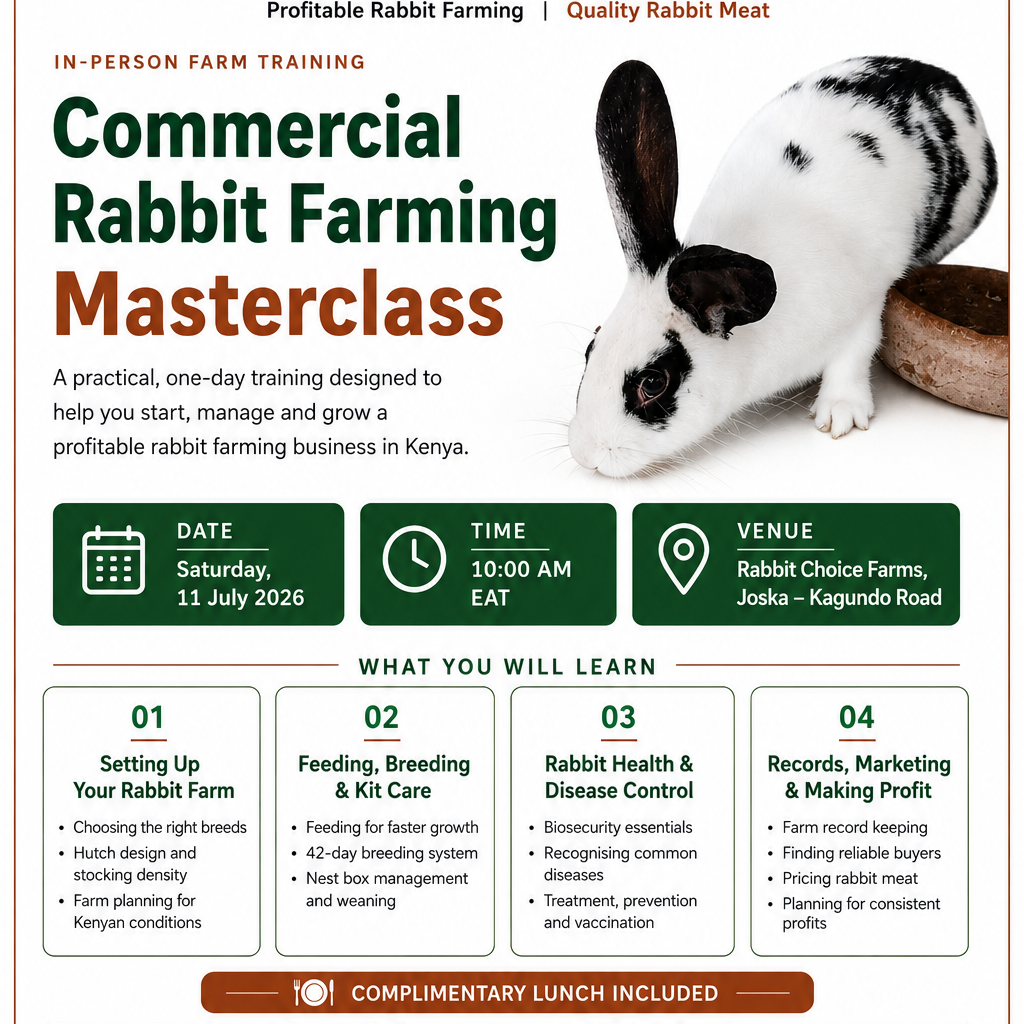
Rabbit Choice Farms Ltd. was recently featured on Citizen TV’s Kenya’s Gold, one of Kenya’s leading agricultural television programmes, to discuss the growing opportunities in commercial rabbit farming and the development of Kenya’s rabbit meat industry.
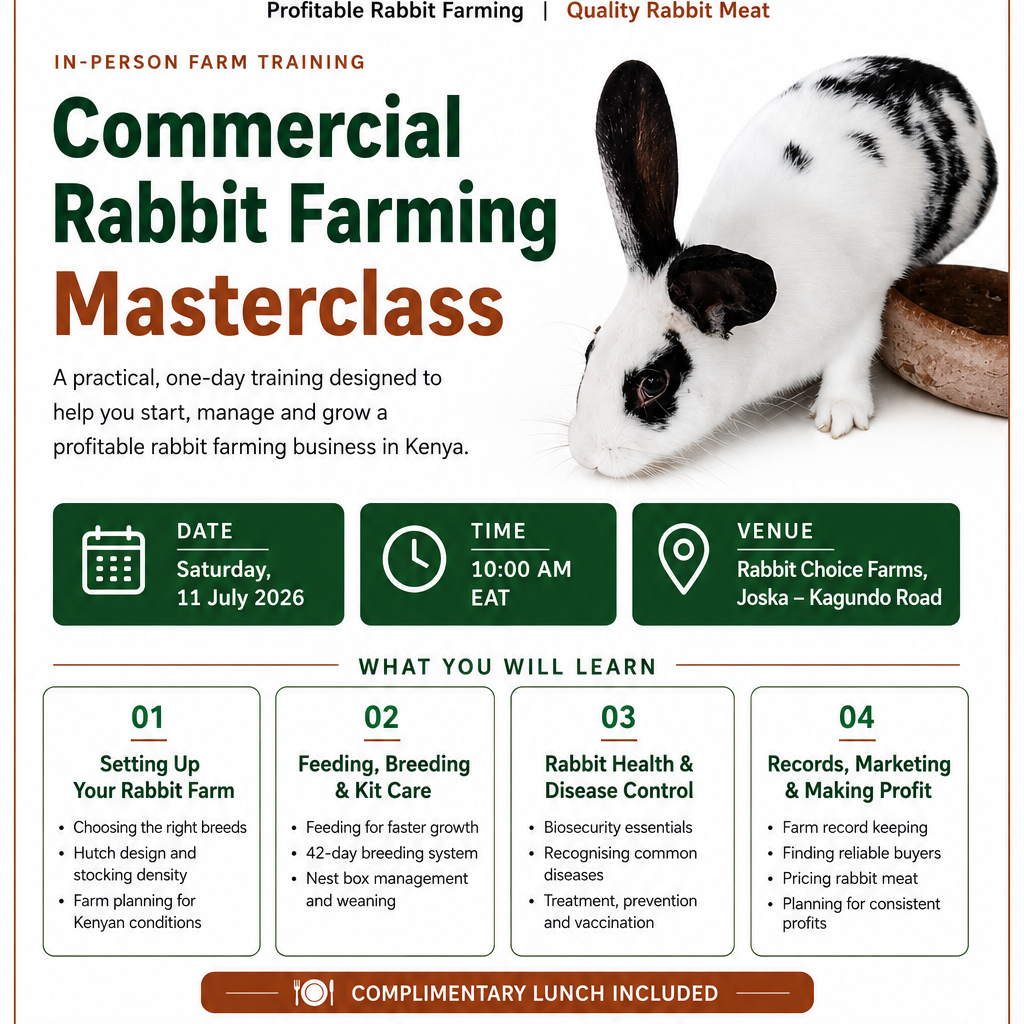
During the feature, we shared how Rabbit Choice Farms is helping farmers establish successful rabbit farming enterprises through practical training, farm setup support, and a buy-back programme that provides farmers with a market for their rabbits.
Our approach goes beyond training farmers. We are building a structured rabbit value chain that connects farmers to reliable markets while making quality rabbit meat more accessible to Kenyan consumers.
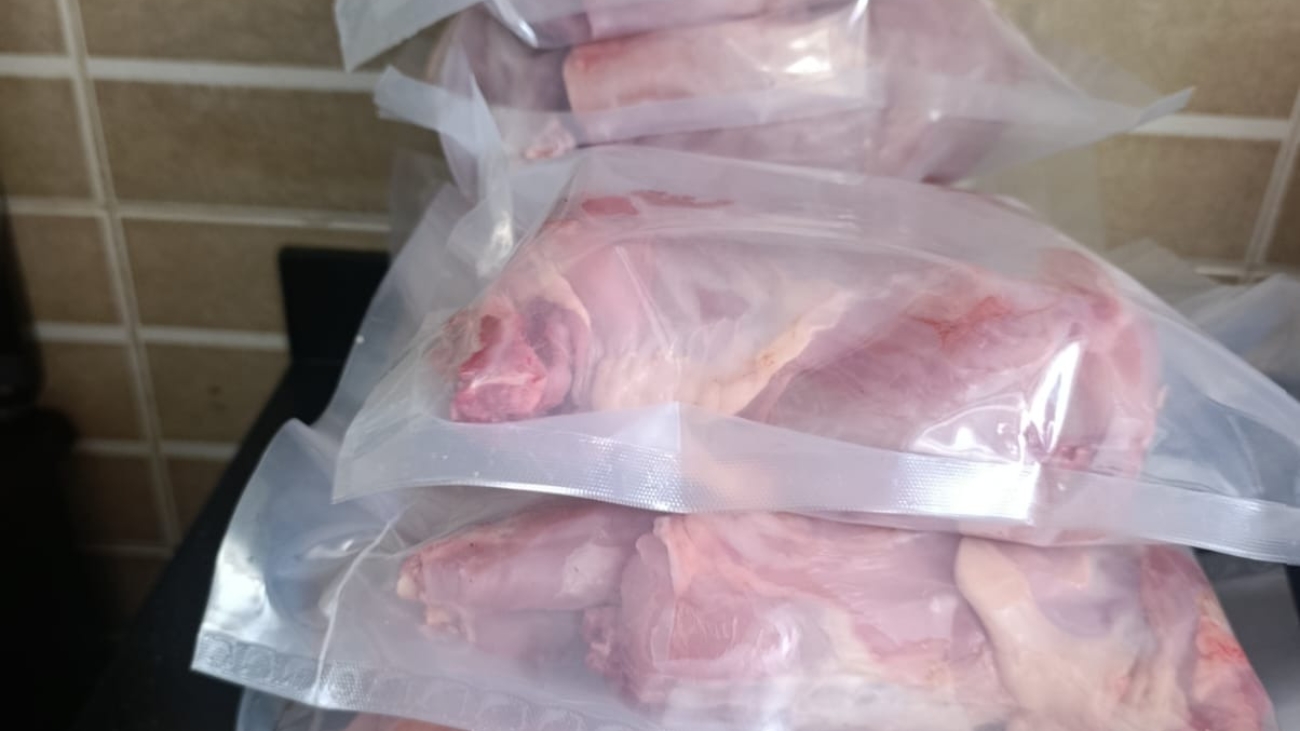
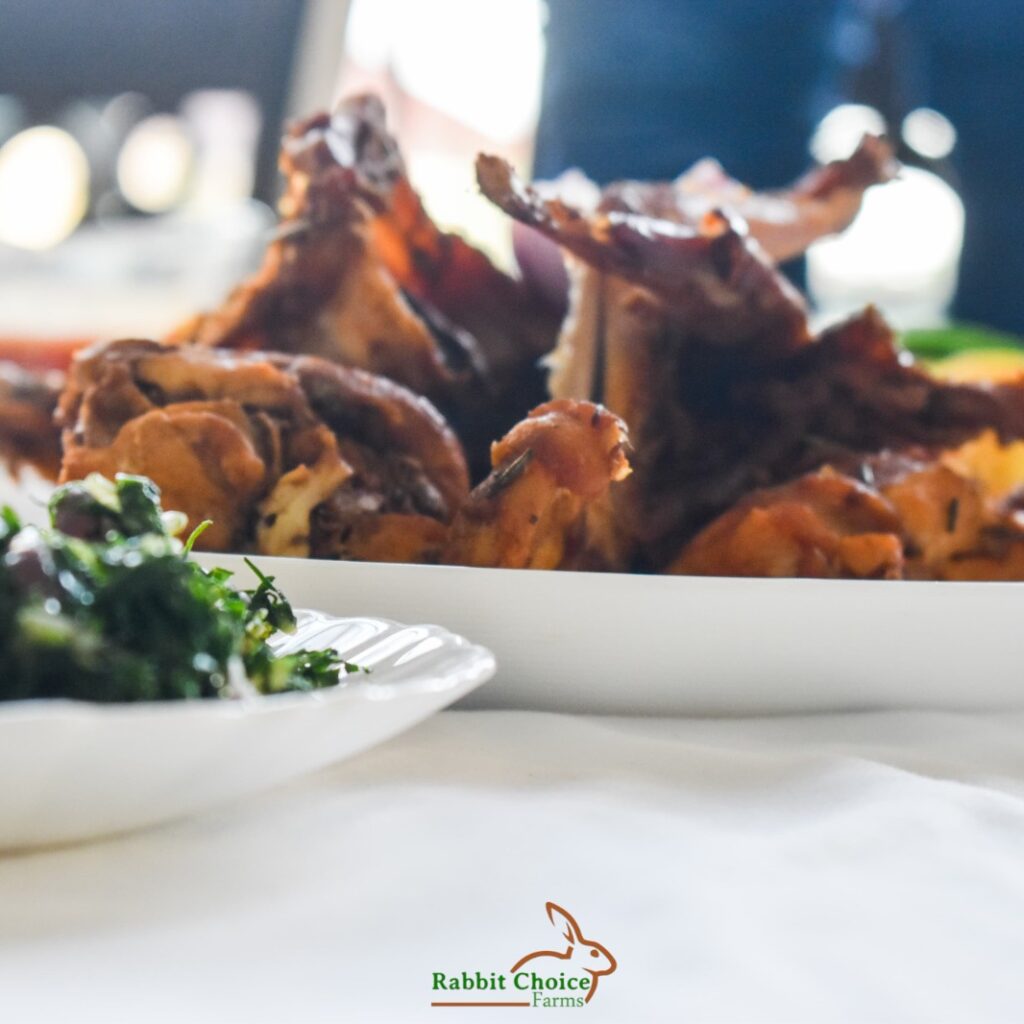
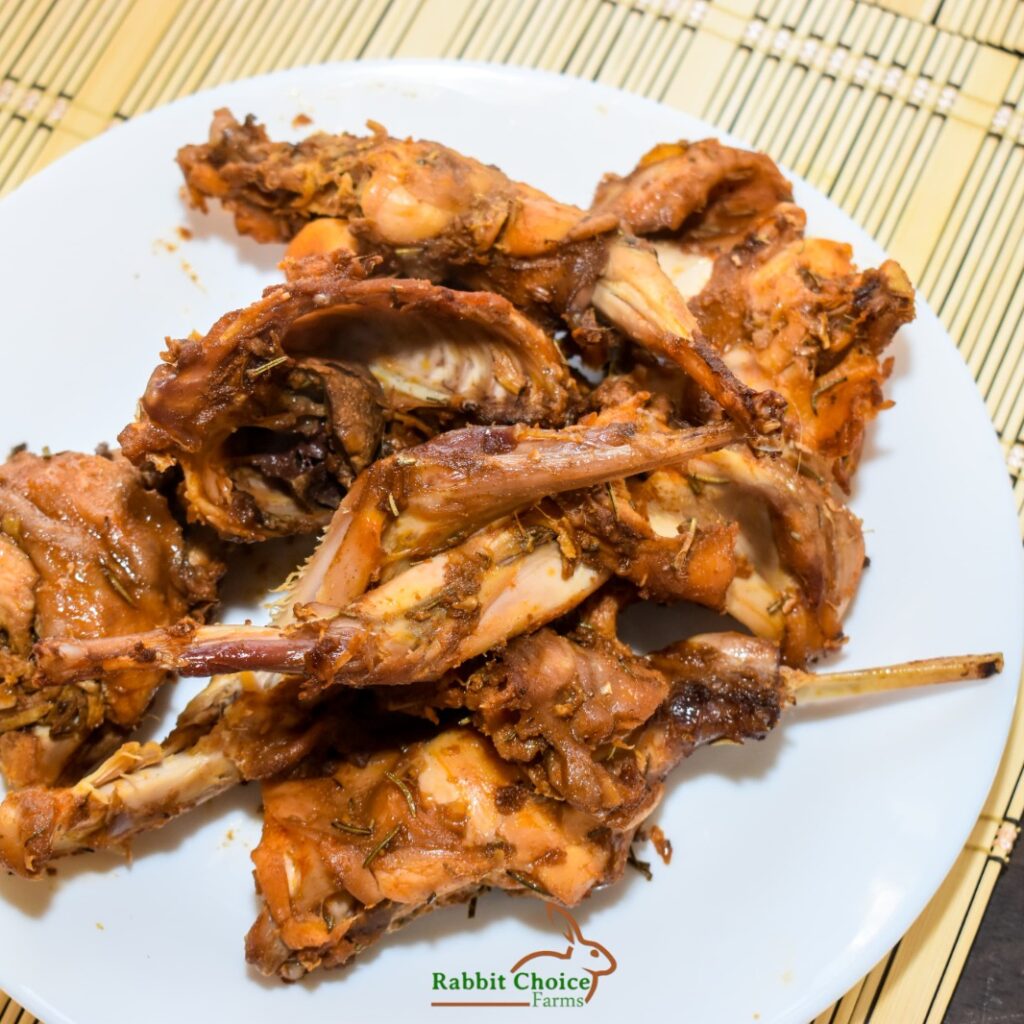
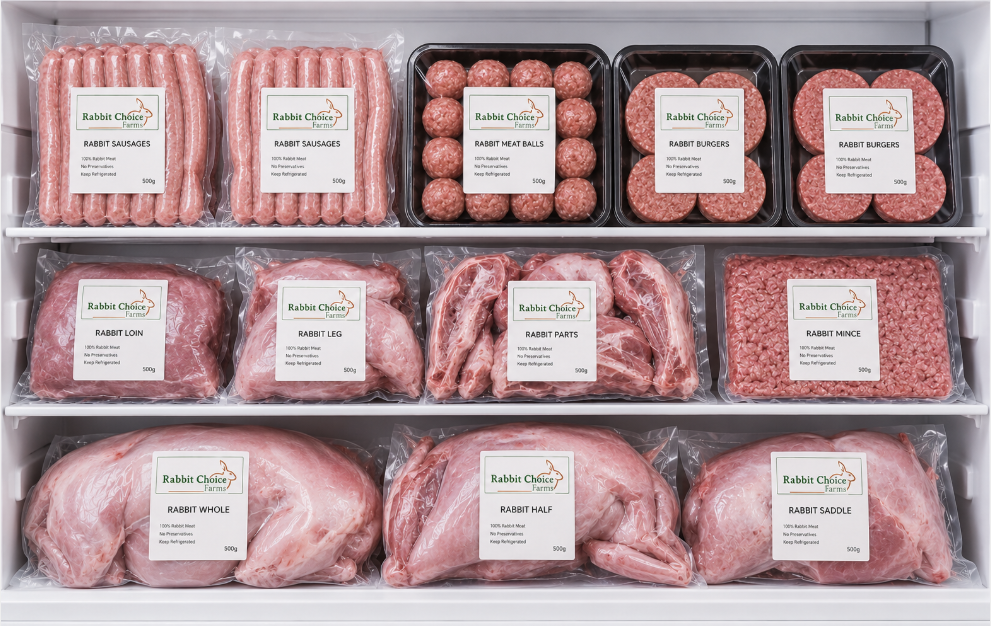
We also highlighted our premium rabbit meat, available for customers looking for a delicious alternative protein source. You can visit our shop at Total Ruaraka, along Thika Road, to purchase rabbit meat.
We extend our sincere appreciation to Emmanuel Terer and Loise Makato for featuring Rabbit Choice Farms and providing a platform to highlight the opportunities in commercial rabbit farming.
Watch the Feature
Discover how Rabbit Choice Farms is supporting farmers and growing Kenya’s rabbit meat industry.
Interested in Rabbit Farming or Buying Rabbit Meat?
Whether you want to start a commercial rabbit farm, access practical training, explore our farmer buy-back programme, or purchase premium rabbit meat, Rabbit Choice Farms is ready to help.
Get in touch with us today.
Want to taste the difference? Order premium rabbit meat or visit the shop on Thika Road, Total Ruaraka.
One of the questions we hear most often at Rabbit Choice Farms from home cooks, restaurant buyers, and aspiring farmers alike is simple: how much does rabbit meat cost in Kenya?
It’s a fair question, and the answer matters for different reasons depending on who’s asking. Consumers want to know whether rabbit fits their budget and how it stacks up against chicken or beef. Farmers want to know what they can expect to earn selling mature rabbits. Restaurateurs and bulk buyers want a wholesale benchmark before adding rabbit to the menu.
This guide gives you current, transparent pricing by the kilogram, by the cut, and per whole dressed rabbit for 2026. We also break down what actually drives price differences across markets and channels, and how to order rabbit meat delivered fresh anywhere in Nairobi.
Rabbit Meat Price in Kenya (2026)
Retail price per kg buying directly from a supplier
Product
Price per kg
Whole dressed rabbit (small, 1.0 to 1.2 kg)
KSh 900 – 1,080/kg
Whole rabbit (medium, 1.3 to 1.5 kg)
Ksh 1,170 – 1,350/kg
Whole rabbit (large, 1.6 to 2.0 kg)
Ksh 1,440 – 1,800/kg
Rabbit legs
KSh 900/kg
Rabbit fillet / boneless
KSh 1,260/kg
Rabbit mince
KSh 1,300/kg
These are Rabbit Choice Farms’ current retail rates for direct consumer orders (minimum order: 5 kg). Restaurant and bulk pricing is available on request call or WhatsApp +254 715 626 955.
Farm-gate price (farmers selling live rabbits)
Farmers selling mature, market-ready rabbits to processors and buyers can expect KSh 300–350 per kg of live weight, depending on the animal’s condition, the buyer, and the volume sold. Rabbit Choice Farms purchases directly from our registered farmer network at competitive, transparent prices, with same-day payment.
How Does Rabbit Meat Compare to Chicken and Beef?
Many Kenyans are surprised to learn that rabbit is competitively priced against other quality proteins especially once you factor in what you’re actually getting nutritionally.
Meat
Approx. Retail Price/kg (Nairobi, 2026)
Chicken (whole kienyeji)
KSh 1,150/kg
Goat meat
KSh 949–1,049/kg
Beef Rump Steak
KSh 1,529/kg
Rabbit meat (whole)
KSh 900/kg
Beef (quality cuts)
KSh 1,000–1,500/kg
Rabbit now sits at the top end of the goat/stewing-beef band and just under quality beef cuts. But the nutrition story tips the scale: rabbit is higher in protein, lower in fat, and lower in cholesterol than beef. You’re paying beef-level prices for a meaningfully healthier meat.
What Affects the Price of Rabbit Meat in Kenya?
Prices vary across sellers and markets for six main reasons:
1. Breed and feed quality
Rabbits raised on quality commercial pellets and hay develop leaner, more tender meat than those fed on kitchen scraps or low-grade feed. All Rabbit Choice Farms meat comes from carefully selected New Zealand White and Californian hybrid crosses, raised to strict feed and hygiene standards and that quality is reflected in the price.
2. Processing and hygiene standards
How a rabbit is slaughtered, cleaned, and stored has a direct impact on safety and shelf life. We process every rabbit under strict hygiene protocols, so the meat you receive is clean, safe, and fresh a genuine differentiator from unregulated roadside sales, where quality is hard to verify.
3. Cut and packaging
Whole rabbit is the most economical option per kilogram. Boneless fillets cost more because they require additional processing time and yield less finished meat per rabbit after bone removal but offer more convenience. Mince is priced efficiently because it makes full use of trimmings.
4. Volume purchased
Like most meats, rabbit gets cheaper per kg at higher volumes. Restaurants and wholesale buyers ordering 20 kg or more per week qualify for preferential pricing call +254 715 626 955 for wholesale prices.
5. Delivery versus collection
Within Nairobi, we use motorbikes like Uber and Bolt for quick convenience. .
6. Market channel
Rabbit sold through supermarkets or middlemen often carries a markup that direct-from-farm buying avoids. Ordering directly from Rabbit Choice Farms means paying the producer price no intermediary margin which is better value for you and a fairer return for our farmers.
Where to Buy Rabbit Meat in Kenya
Rabbit Choice Farms Nairobi, with delivery across the city
We are Kenya’s leading rabbit meat supplier, sourcing from our network of partner farmers and supplying fresh rabbit meat to households, restaurants, hotels, and supermarkets.
What we offer:
Fresh whole rabbit, rabbit legs, boneless fillet, and rabbit mince
Minimum order: 1 kg
Delivery across Nairobi
Consistent, reliable supply we don’t run out
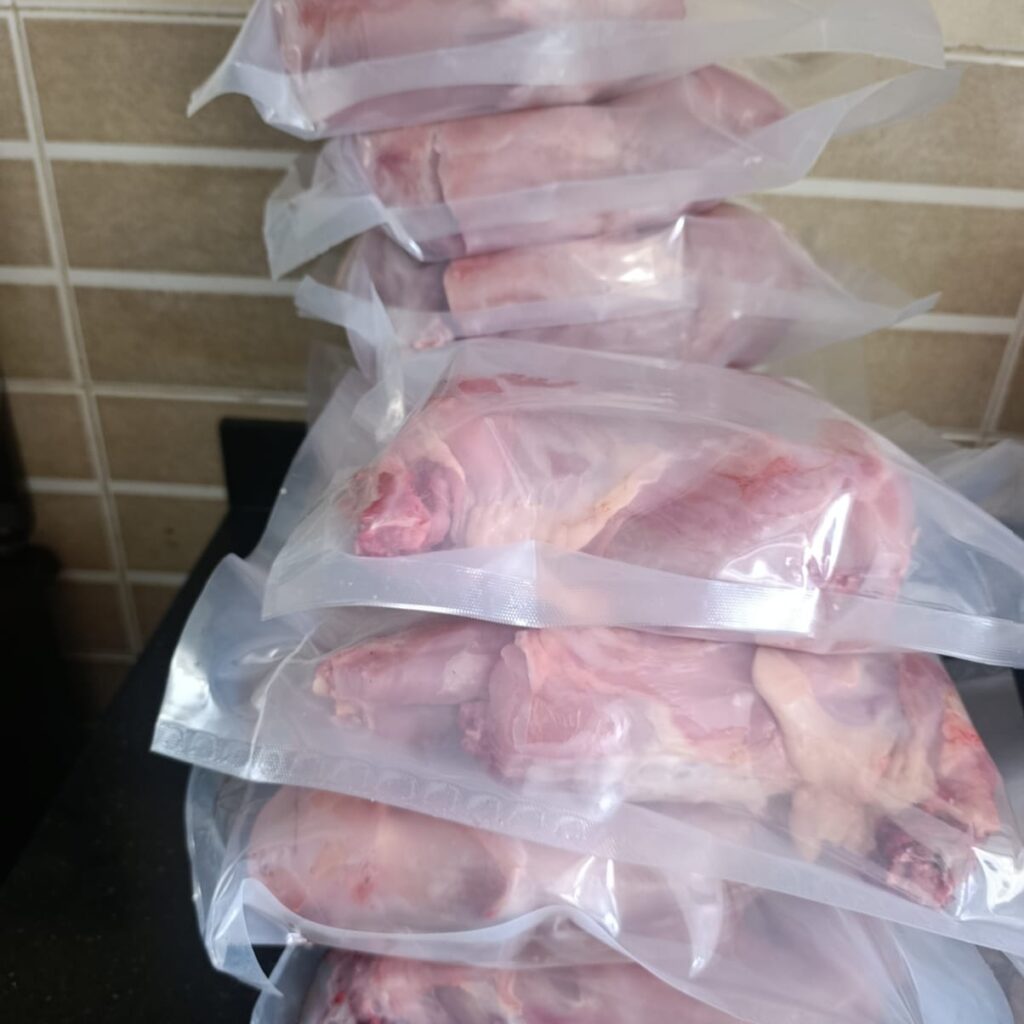
Hygienically processed and traceable from farm to fork
Wholesale pricing for restaurants and bulk buyers
How to order Rabbit meat online:
Call or WhatsApp: +254 715 626 955 or +254 762 688 055
Email: info@choicefarms.co.ke
Order online through our shop
Visit us: Ruaraka Mall, First Floor, Thika Road (opposite Safari Park Hotel)
Supermarkets (limited availability)
A handful of Nairobi supermarkets including some Carrefour and Naivas branches stock rabbit meat, usually frozen whole rabbit only, with availability varying by store. Expect a premium over direct farm pricing.
Nairobi open markets
Some wet markets stock rabbit meat, but quality and hygiene standards vary widely, and it’s difficult to verify breed, feed history, or processing conditions. For consistent quality and food safety, buying from a certified, traceable supplier like Rabbit Choice Farms remains the most reliable option.
Is Rabbit Meat Price Likely to Change?
Rabbit meat prices in Kenya have stayed relatively stable in recent years, with demand in Nairobi running slightly ahead of supply. As more farmers enter the sector and production scales up, farm-gate prices may ease slightly. Retail consumer prices, however, are unlikely to drop significantly the market is still maturing, and the cost of quality production sets a natural floor.
For farmers, that stability is good news: it means production economics can be planned with reasonable confidence at current price levels.
Are You a Farmer Looking for a Market for Your Rabbits?
If you raise quality hybrid rabbits and need a reliable buyer, Rabbit Choice Farms purchases directly from farmers in our network. We collect from your farm, require a minimum of 30 rabbits within Nairobi (50 outside Nairobi), and pay on the same day.
To register as a supplier or learn about our contract farming program which includes breeding stock, training, and a guaranteed buy-back arrangement call +254 715 626 955.
Frequently Asked Questions
How much is rabbit meat per kg in Kenya?
Rabbit meat retails at approximately KSh 900/kg for whole rabbit and legs at Rabbit Choice Farms. Boneless fillet is KSh 1,260/kg and mince is KSh 1,300/kg. Wholesale prices for restaurants are available on request.
How much is a whole rabbit in Kenya?
A small whole dressed rabbit (1.0–1.2 kg) costs KSh 900–1,080. A large whole dressed rabbit (1.6–2.0 kg) costs KSh 1,440–1,800 at current retail prices.
Where can I buy rabbit meat in Nairobi?
Rabbit Choice Farms delivers fresh rabbit meat across Nairobi. Order via WhatsApp on +254 715 626 955 or through our online shop. Minimum order is 5 kg.
How much do farmers get for rabbits in Kenya?
Farmers selling mature rabbits to processors typically receive KSh 300– 350 per kg of live weight. Farmers in the Rabbit Choice Farms network sell at competitive prices with same-day payment and free farm collection.
Is rabbit meat more expensive than chicken in Kenya?
Whole rabbit costs around KSh 1,080/kg, compared to KSh 1,150/kg for whole kienyeji chicken. However, rabbit is nutritionally superior higher in protein, lower in fat and cholesterol which justifies the price gap for health-conscious buyers. It’s similarly priced to quality beef and goat.
Can I buy rabbit meat online in Kenya?
Yes. Order through the Rabbit Choice Farms online shop for delivery across Nairobi, or place an order via WhatsApp on +254 715 626 955.
Rabbit Choice Farms Ltd is Kenya’s leading rabbit meat supplier fresh, hygienic, farm-to-fork rabbit meat delivered across Nairobi. Order now or call +254 715 626 955.
Everything You Need to Know About Rabbit Meat and Your Health
More Kenyans are asking a question that would have seemed unusual a decade ago: is rabbit meat healthy?
The answer, backed by decades of nutritional research, is a clear yes. Rabbit meat is one of the leanest, highest-protein meats available. It is leaner than chicken, far leaner than beef, and carries a nutritional profile that makes it genuinely suitable for people managing weight, blood pressure, diabetes, and heart disease.
In this article, we break down exactly what is in rabbit meat per 100g, compare it to other common meats, and walk through eight evidence-backed health benefits. We also cover who should exercise caution, how to get the most from it nutritionally, and where to buy fresh rabbit meat in Kenya.
What is rabbit meat?
Rabbit meat, sometimes called lapin in French and khargosh ka gosht in Hindi, is classified as white meat, in the same category as chicken and turkey. It comes from domesticated rabbits bred specifically for meat production, such as the New Zealand White and Californian breeds widely farmed in Kenya. Unlike wild rabbit, farmed rabbit is milder in flavour, consistently tender, and has a more favourable fat profile.
At Rabbit Choice Farms, all our rabbits are raised on a diet of quality pellets and hay with no hormones or additives, which directly affects the quality and nutritional value of the meat.
Rabbit meat nutrition facts (per 100g)
The figures below are based on USDA data for raw domesticated rabbit meat.
Nutrient
Rabbit (raw)
Chicken breast (raw)
Beef (raw)
Calories
136 kcal
120 kcal
250 kcal
Protein
20.1 g
22.5 g
17.3 g
Total fat
5.6 g
2.6 g
18.6 g
Saturated fat
1.7 g
0.7 g
7.4 g
Cholesterol
57 mg
64 mg
87 mg
Sodium
41 mg
74 mg
63 mg
Iron
1.6 mg
0.4 mg
1.9 mg
Potassium
330 mg
256 mg
318 mg
Carbohydrates
0 g
0 g
0 g
Sources: USDA FoodData Central; Nistor et al. (2013), Nutrient Content of Rabbit Meat as Compared to Chicken, Beef and Pork.
A few numbers stand out immediately. Rabbit has significantly less cholesterol than beef (57 mg vs. 114 mg), lower sodium than chicken, and more potassium than both. Its fat content is less than a third of beef, and it carries zero carbohydrates, making it compatible with virtually every dietary framework: low-carb, keto, diabetic, high-protein, and heart-healthy diets alike.
When cooked (roasted), protein increases to around 29g per 100g as water content reduces, making it one of the most protein-dense cooked meats available.
8 health benefits of rabbit meat, backed by science
1. Exceptionally high in lean protein
With 20g of protein per 100g raw (and up to 29-30g when cooked), rabbit meat provides a complete amino acid profile, meaning it contains all nine essential amino acids your body cannot produce on its own. Research published in a 2024 mini-review in the Nutrition and Food Science International Journal notes that rabbit meat supports muscle growth, tissue repair, and immune function, with protein digestibility exceeding 85%, which is higher than many other common meats.
For Kenyans who are active, building muscle, or recovering from illness, this makes rabbit meat a highly efficient source of dietary protein relative to its calorie cost.
2. Heart-friendly fat profile
One of rabbit meat’s most important nutritional advantages is its fat composition. Its unsaturated-to-saturated fat ratio is among the most favourable of any meat. Research published in PubMed (NCBI, 2022) found that rabbit meat’s high levels of unsaturated fatty acids, including oleic acid and linoleic acid, help reduce blood cholesterol and triglyceride levels, thereby lowering the risk of cardiovascular diseases such as coronary heart disease and hypertension.
Unlike red meat consumption, which studies have linked to central obesity and metabolic syndrome, white meat consumption is not associated with these negative cardiometabolic outcomes.
3. Supports blood pressure management
Rabbit meat contains proteins that may inhibit angiotensin-converting enzymes (ACE), the same mechanism targeted by common antihypertensive drugs such as Captopril and Lisinopril. This means rabbit meat may have a natural, mild blood-pressure-lowering effect when consumed as part of a balanced diet.
Additionally, rabbit meat is low in sodium (just 41 mg per 100g compared to 74 mg in chicken) and rich in potassium (330 mg per 100g). Potassium counteracts the blood-pressure-raising effects of sodium and plays a direct role in regulating cardiovascular function, making rabbit meat particularly well-suited for people managing hypertension.
4. Suitable for people with diabetes
Rabbit meat contains zero carbohydrates and has a glycemic index of zero, meaning it produces no spike in blood glucose or insulin levels. Research comparing white and red meats for diabetic patients consistently favours white meats like rabbit because, unlike red meat, they are not linked to increased insulin resistance or elevated oxidative stress.
A compound found in rabbit meat called conjugated linoleic fatty acid (CLA) has also shown potential anti-obesity and anti-diabetic effects in emerging research, though more studies are needed to quantify this in humans.
People managing type 2 diabetes or pre-diabetes can incorporate rabbit meat confidently as their primary protein source without concern over glycemic impact.
5. Aids weight management
Rabbit meat is low in calories (136 kcal per 100g raw) and very high in protein. High-protein diets are well established in nutritional science for their ability to promote satiety, which is the feeling of fullness, reducing overall calorie intake and helping with weight management. Because rabbit meat provides substantial protein with minimal fat and no carbohydrates, it delivers a high satiety-to-calorie ratio that few other meats can match.
For Kenyans seeking to lose weight or maintain a healthy body composition without giving up meat, rabbit is one of the most effective choices available.
6. Rich in essential B vitamins
Rabbit meat is a strong source of several B vitamins that many Kenyans may be deficient in, particularly:
Vitamin B12: Critical for red blood cell formation, neurological function, and energy metabolism. Many Africans are at risk of B12 deficiency, particularly those who reduce their red meat intake.
Vitamin B3 (Niacin): Supports energy production and DNA repair.
Vitamin B6: Important for protein metabolism and immune function.
Folate: Essential for DNA synthesis and cell division, particularly important during pregnancy.
These vitamins are not produced by the body and must come from diet. Rabbit meat delivers a meaningful contribution toward daily B vitamin requirements in a single serving.
7. A good source of key minerals
Beyond vitamins, rabbit meat provides important minerals in meaningful quantities:
Phosphorus (347 mg per 100g): Higher than in chicken, beef, or pork. Phosphorus is critical for bone health, kidney function, and energy metabolism.
Potassium (330 mg per 100g): Supports heart function and fluid balance.
Iron (1.6 mg per 100g): Contributes to haemoglobin production and helps prevent anaemia.
Selenium: A potent antioxidant mineral that protects cells from oxidative stress and supports thyroid function. Rabbit meat is notably rich in selenium.
Calcium (21.4 mg per 100g): Higher than in beef and pork, supporting bone and teeth health.
Research published in the journal Foods (NCBI, 2022) confirmed that rabbit meat has the highest concentration of phosphorus of any common meat type, making it particularly valuable for bone health.
8. Naturally low in sodium
Most Kenyans consume far more sodium than recommended, largely through processed foods, table salt, and heavily seasoned dishes. High sodium intake is directly linked to high blood pressure, heart disease, and stroke.
Rabbit meat contains just 41 mg of sodium per 100g, which is among the lowest of all meats. For this reason, nutritionists and health professionals often recommend rabbit meat specifically for children, pregnant women, and people managing hypertension. It allows you to eat well-seasoned, flavourful meals while keeping your natural sodium load from the meat itself very low.
How does rabbit meat compare to chicken and beef?
Many people consider kienyeji chicken their “healthy meat” default. Rabbit meat compares very favourably and surpasses chicken in several categories.
Rabbit has lower cholesterol than chicken (57 mg vs. 64 mg per 100g), lower sodium, and a far superior phosphorus and potassium profile. Its fat profile is richer in beneficial unsaturated fats relative to the total fat content. Against beef, the differences are even more stark: rabbit has roughly half the cholesterol, less than a third of the total fat, and far fewer calories, while still delivering comparable or superior protein.
The main nutritional difference from chicken is that rabbit has slightly more fat (5.6g vs. 2.6g per 100g raw), but that fat is predominantly unsaturated and heart-healthy. Nutritionally, rabbit and chicken are close peers, with rabbit ahead on the mineral profile and cholesterol count.
Is rabbit meat good for specific health conditions?
High blood pressure: Yes. Low sodium, high potassium, and ACE-inhibiting peptides make it one of the most blood-pressure-friendly meats available.
Diabetes: Yes. Zero carbohydrates, zero glycemic impact, and a potential CLA benefit make it an excellent choice.
Heart disease: Yes. Low saturated fat, low cholesterol, and a high proportion of beneficial unsaturated fatty acids support cardiovascular health.
Kidney disease: Moderate consumption is generally considered safe, but people with advanced kidney disease who must restrict protein and potassium should consult a doctor before making any significant dietary change.
Gout: Rabbit meat contains purines, as all meats do, but is not among the highest-purine meats. People managing gout should consume it in moderation and consult their physician.
Pregnancy: Rabbit meat is a good source of folate, B12, iron, and phosphorus, all important during pregnancy. Its low sodium content also makes it suitable for managing pregnancy-related blood pressure. As with all meats, ensure it is well cooked before eating.
Is rabbit meat red meat or white meat?
Rabbit meat is classified as white meat. Despite some cuts appearing slightly pinkish (particularly the legs, which are active muscles), it is metabolically and nutritionally categorised alongside chicken and turkey, not beef, pork, or lamb. This matters because research consistently shows white meats carry a lower cardiovascular risk profile than red meats.
Are there any risks to eating rabbit meat?
Rabbit meat is safe for the vast majority of people. A few considerations worth noting:
Alpha-gal allergy: A small percentage of people have an allergy to a sugar molecule called galactose-alpha-1,3-galactose, which is found in mammalian meats including rabbit. Symptoms such as rash, hives, and stomach pain typically appear 3 to 6 hours after eating and can range from mild to severe. This allergy is uncommon and is usually diagnosed by a doctor after unexplained reactions to meat.
Rabbit starvation: This is a historical condition caused by eating only rabbit meat with no other fat sources. It is extremely unlikely in modern diets where rabbit is one of several foods consumed. As long as you eat rabbit alongside vegetables, grains, legumes, and other foods, as most people naturally do, there is no risk.
Sourcing matters: The nutritional quality of any meat depends on how the animals were raised. Rabbits fed on quality pellets and hay, like those raised through Rabbit Choice Farms’ contract farming network, produce meat with a more consistent and favourable nutritional profile than rabbits fed on kitchen scraps or poor-quality feed.
How to get the most nutrition from rabbit meat
Cooking method affects nutrient retention. Research suggests that the fat composition of rabbit meat changes least when it is microwaved or slow-stewed compared to high-heat methods. That said, all common cooking methods preserve the protein content well.
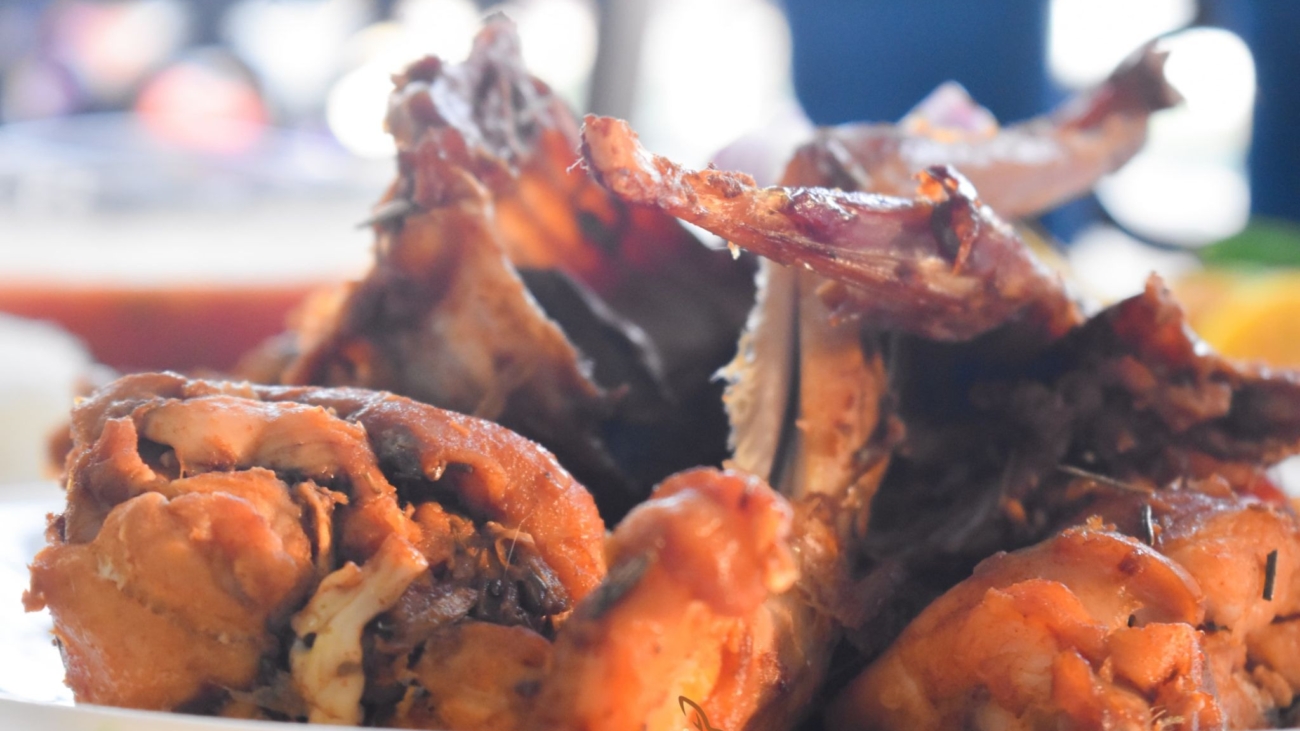
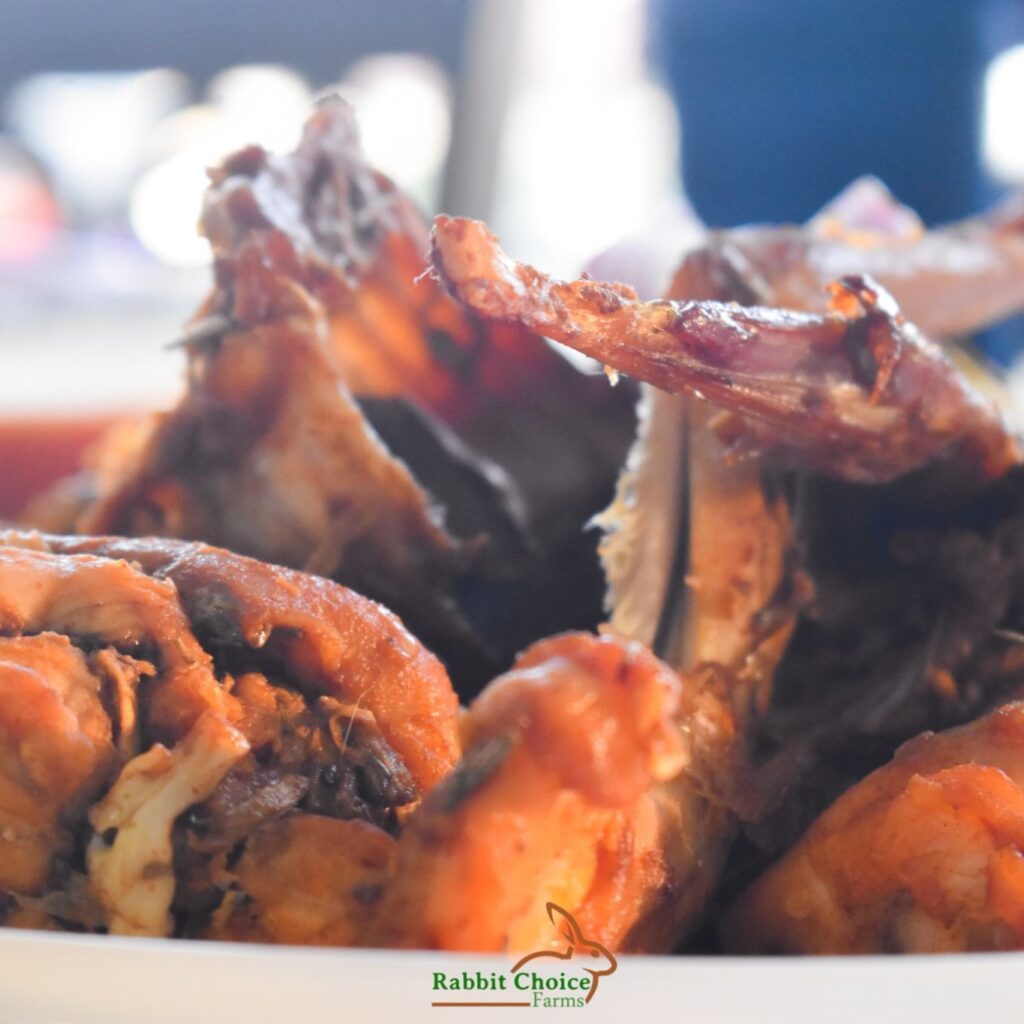
In Kenya, rabbit is commonly prepared as a slow stew with tomatoes and spices, grilled, or roasted whole. All of these methods retain the nutritional value while delivering excellent flavour. Because rabbit meat is lean, it benefits from slower cooking methods or marinades to keep it tender and moist.
Where to buy healthy rabbit meat in Kenya
The health benefits of rabbit meat depend on quality sourcing. At Rabbit Choice Farms, we supply fresh, hygienically processed rabbit meat delivered across Nairobi and beyond. Our meat is traceable from farm to fork, raised on quality feed with no additives, and available in a range of cuts: whole rabbit, legs, fillet/boneless, and mince.
We supply households, restaurants, hotels, and bulk buyers. Orders start from 5 kg at KSh 800/kg. Call or WhatsApp us on +254 715 626 955 to place your order, or visit our shop online.
Frequently Asked Questions
Is rabbit meat good for you? Yes. Rabbit meat is high in protein, low in fat and cholesterol, rich in B vitamins and minerals, and has zero carbohydrates. It is recommended by nutritionists for people managing weight, blood pressure, diabetes, and heart health.
Is rabbit meat healthier than chicken? In most respects, they are comparable. Rabbit has lower cholesterol, lower sodium, and a richer mineral profile than chicken. Chicken has slightly less total fat. Both are excellent white meat protein sources.
Is rabbit meat high in protein? Yes. Raw rabbit provides around 20g of protein per 100g, rising to 29 to 30g when cooked. It is one of the highest-protein meats available per calorie.
Is rabbit meat good for weight loss? Yes. With just 136 calories per 100g raw, very low fat, and high protein, rabbit meat promotes satiety and supports a calorie deficit more effectively than most meats.
Is rabbit meat good for blood pressure? Yes. Its low sodium content, high potassium, and ACE-inhibiting peptides make it particularly suitable for people managing hypertension. It is recommended for children and pregnant women for the same reason.
Is rabbit meat good for diabetes? Yes. It has zero carbohydrates and a glycemic index of zero, meaning it does not raise blood glucose. It is not associated with insulin resistance, unlike red meat.
Is rabbit meat white or red meat? Rabbit meat is classified as white meat, in the same category as chicken and turkey.
Rabbit Choice Farms Ltd is Kenya’s leading rabbit farming partner and rabbit meat supplier. We supply fresh rabbit meat across Kenya and provide full support to farmers joining our contract farming network. Learn more about becoming a farmer or order rabbit meat today.

 Cart is empty