Cart is empty
Imagine walking into a busy Nairobi market and finding a crowd. But it’s not at the usual beef or chicken stalls. Instead, people are lining up for rabbit meat. What was once seen as a luxury for a few is now becoming a common choice for health-conscious Kenyans.
Rabbit meat is lean, packed with protein, and low in fat and cholesterol. It cooks quickly and complements many Kenyan dishes. As more people become aware of its benefits, demand continues to rise.
In fact, rabbit farming in Kenya has experienced a steady rise, with both small-scale farmers and commercial ventures seizing the opportunity. According to the Livestock Research for Rural Development (LRRD), the rabbit population has increased by nearly 427,000 in five years, and the demand for rabbit meat continues to outpace supply.
So, is rabbit farming profitable in Kenya? Yes, it can be. However, like any business, it requires effective planning and sound management. In the following sections, we will look at what makes rabbit farming a smart choice and what challenges to expect along the way.
Why Rabbit Farming is a Smart Choice
Kenya’s agricultural sector has long relied on traditional livestock farming, such as cattle, goats, and chickens. However, rabbit farming is emerging as a viable alternative for farmers looking for a cost-effective, high-yield livestock option.
Here are several reasons why rabbit farming stands out.
1. Affordable Startup Costs
Rabbit farming requires significantly less capital compared to other forms of livestock farming. You don’t need vast stretches of land. In fact, one adult rabbit only needs about 2 feet by 2 feet of space in a raised cage.
Also, feeding rabbits is relatively cheap. They thrive on pellets and locally available forages, such as hay, drastically lowering feed costs. This affordability is crucial in Kenya, where many small-scale farmers often face limited resources.
For example, setting up a rabbit farm can cost a fraction of what it would take to start a cattle or poultry farm. This is because rabbits require less space, incur fewer veterinary costs, and their housing can be constructed from inexpensive materials such as wood and wire mesh. The low startup costs allow many Kenyans to engage in farming without needing large loans or savings. Rabbit Choice Farms also assists with cage construction at affordable rates.
2. Rapid Reproduction and Growth Rates
One of the biggest advantages of rabbit farming is their ability to reproduce quickly. A single doe (female rabbit) can give birth to 6 to 10 kits (baby rabbits) per litter, and with a gestation period of just 28-32 days, a rabbit can give birth after every two months. This means a farmer can start with just a few rabbits and quickly grow their stock within a short period.
Here’s a sample production sheet over a period, starting with twenty does (mothers)

Take a look at the growing global trend in rabbit production.
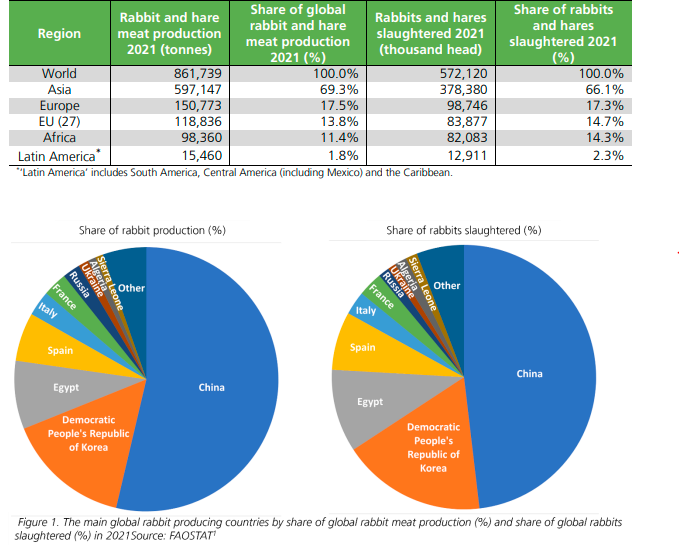
Source Via FAOSTAT
3. Short Maturity Time
Rabbits grow rapidly, reaching market weight in just 3 to 5 months. This short maturity time means that farmers can start earning returns within a few months of starting their farming operations. Compare this to cattle or goats, which may take years to reach maturity, and you’ll see why rabbit farming is such an attractive option for those looking to make profits quickly.
The fast growth rate also means farmers can harvest and sell their rabbits frequently, ensuring a steady income stream throughout the year. Additionally, because rabbits mature quickly, they allow farmers to meet market demand without long waiting periods, ensuring business continuity.
4. Increasing Demand for Rabbit Meat
The demand for rabbit meat is on the rise in Kenya, particularly in urban areas such as Nairobi, Kisumu, and Mombasa. Rabbit meat is recognized as a healthier alternative to traditional red meats, such as beef and pork, as it is lower in fat and cholesterol but higher in protein. This has made it popular among health-conscious consumers, including those looking to manage conditions like high blood pressure and heart disease.
Moreover, there is a growing awareness of the benefits of rabbit meat, with more consumers opting for lean, organic meat options. Restaurants, hotels, and supermarkets are increasingly adding rabbit dishes to their menus and shelves. This shift in consumer preference presents a good opportunity for farmers who can tap into this expanding market.
Take a look at this visual representation of the growing demand for rabbit meat and consumer buying decisions.
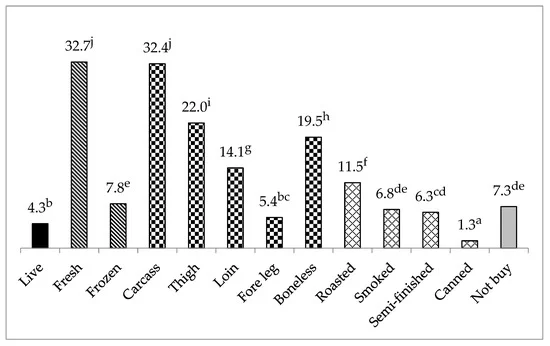
Source via MDPI
In Kenya, the rising middle class is also fueling demand for higher-quality and diverse food options, which include rabbit meat. The increase in disposable income among urban dwellers means people are willing to pay a premium for healthy food products. As a result, rabbit meat is gradually shedding its label as a “specialty” item and becoming more mainstream.
5. Low Competition and Growing Niche
Unlike chicken or beef farming, rabbit farming in Kenya remains relatively untapped. This means there’s less competition in the market, and rabbit farmers can enjoy better prices for their products. Because the sector is still growing, early entrants have the chance to establish themselves as market leaders, capturing a loyal customer base before the industry becomes crowded.
Many small-scale rabbit farmers report that they rarely struggle to find buyers because the demand for rabbit meat often exceeds supply. This low level of competition, paired with the growing interest in rabbit meat, offers a unique opportunity for Kenyan farmers to capitalize on a niche market.
6. Multiple Revenue Streams
Rabbit farming doesn’t just generate income through meat sales. There are several additional ways to make money from rabbit farming, which improves the profitability of the venture.
Let’s look at a few examples.
- Rabbit Manure: Rabbit droppings are rich in nutrients like nitrogen, phosphorus, and potassium, making them excellent organic fertilizer. Many farmers practicing organic farming are eager to buy rabbit manure, creating an additional income stream.
- Rabbit Urine: Surprisingly, rabbit urine has become a sought-after product for its use as an organic pesticide. Farmers across Kenya are using rabbit urine to protect their crops from pests, and this has created a new market for rabbit farmers to explore.
- Rabbit Fur: Though still a small market in Kenya, there is potential in selling rabbit fur for use in fashion and crafting. This is especially true for breeds like the Angora rabbit, known for its soft and fluffy fur.
By diversifying income streams, rabbit farmers can maximize their profits while reducing their reliance on a single market.
Challenges in Rabbit Farming
While the benefits of rabbit farming in Kenya are numerous, it’s important to be aware of the challenges. As with any farming venture, there are obstacles that farmers must overcome to achieve success.
Here are some of the challenges.
1. Disease Management
Rabbits are susceptible to a number of diseases, and disease outbreaks can wipe out an entire stock if not managed properly. The most common diseases affecting rabbits include coccidiosis, pasteurellosis, and snuffles, all of which can spread rapidly if hygiene and management practices are not up to standard.
Here’s a chat showing common rabbit diseases and their prevalence.
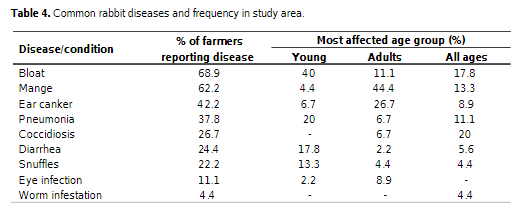
Source via IJLP
To mitigate these risks, rabbit farmers need to maintain clean and well-ventilated housing for their animals. Regular health checks and preventive measures, such as deworming, are crucial in ensuring the health of the herd. A strong relationship with a vet who specializes in rabbit care is also beneficial. Here at Rabbit Choice Farms, we have vetted and professional vets to safeguard the health of your herd.
2. Limited Expertise and Resources
Though rabbit farming in Kenya is growing, there is still a shortage of farming experts and veterinary services that specialize in rabbits. Many farmers struggle to find the right guidance on rabbit nutrition, breeding, and disease management, leading to suboptimal farming practices and lower productivity.
Additionally, access to quality breeding stock and reliable feed can be a challenge for farmers in rural areas. Investing in proper training and resources is essential for new and existing rabbit farmers to improve their knowledge and skills. Rabbit Choice Farms offers the best breeds and proper training on how to manage your rabbit farm.
3. Market Access
While demand for rabbit meat is increasing, not all farmers have access to markets where they can sell their produce. Farmers in rural areas may face difficulties connecting with urban buyers or retailers. Without reliable distribution channels, many farmers end up selling their rabbits at lower prices to middlemen, reducing their profit margins.
To overcome this challenge, rabbit farmers need to establish networks with restaurants, supermarkets, and hotels that are willing to buy their rabbits directly. But don’t worry. At Rabbit Choice Farms, we bridge that gap by buying rabbits from our contracted farmers and selling it in the market, so you can have the peace of mind of taking care of your herd.
Wrapping Up
So, you are concerned about whether rabbit farming is Profitable in Kenya, the answer is a resounding yes. Rabbit farming in Kenya presents a significant opportunity for those looking to engage in a low-cost, high-return agricultural venture. With growing demand for rabbit meat, low production costs, and the ability to diversify revenue streams, rabbit farming can be an incredibly profitable business.
However, like any venture, success requires careful management, proper planning, and a strong understanding of the market. By focusing on disease control, market access, and continuous learning, rabbit farmers in Kenya can position themselves to reap the benefits of this rapidly growing industry.
We can help you begin with the right breeds, training, and market support. Whether you’re just starting or want to grow your rabbit business, we’ll walk with you every step of the way.
Become a rabbit farmer with us and turn your space into a profitable source of income.