
 Cart is empty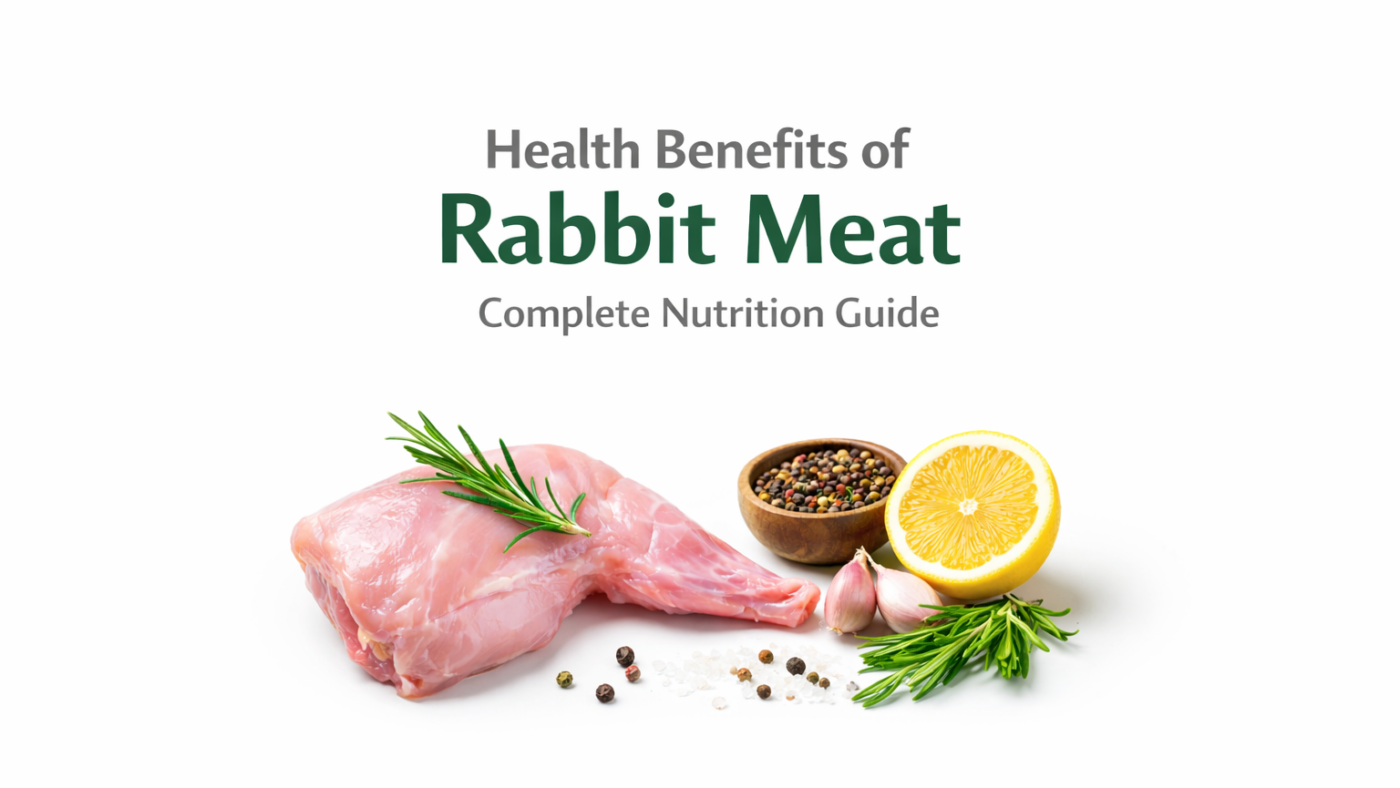
If you are eating chicken for health and beef for strength, rabbit meat gives you both, without the downside of either.
Rabbit meat delivers 33 grams of protein per 100 grams, less fat than chicken, and lower cholesterol than beef. That is not a marketing claim — it is what the nutritional data shows consistently across major food databases.
If you are evaluating proteins for your diet and rabbit meat is not on your list, you are leaving one of the cleanest animal proteins off the table.
This guide covers the full nutritional profile of rabbit meat, specific health benefits for men and women, and how it compares head-to-head with beef.
Let\s look at exactly why rabbit meat is considered one of the healthiest meats available, and why it is gaining serious ground among health-conscious eaters in Nairobi and beyond.
| Order Rabbit Meat. Shop F6: Total Ruaraka, Thika Road (Next to Queen of Apostles Catholic Church), Nairobi Call / WhatsApp: +254715 626955 | +25452 683530 |
What Makes Rabbit Meat Uniquely Nutritious
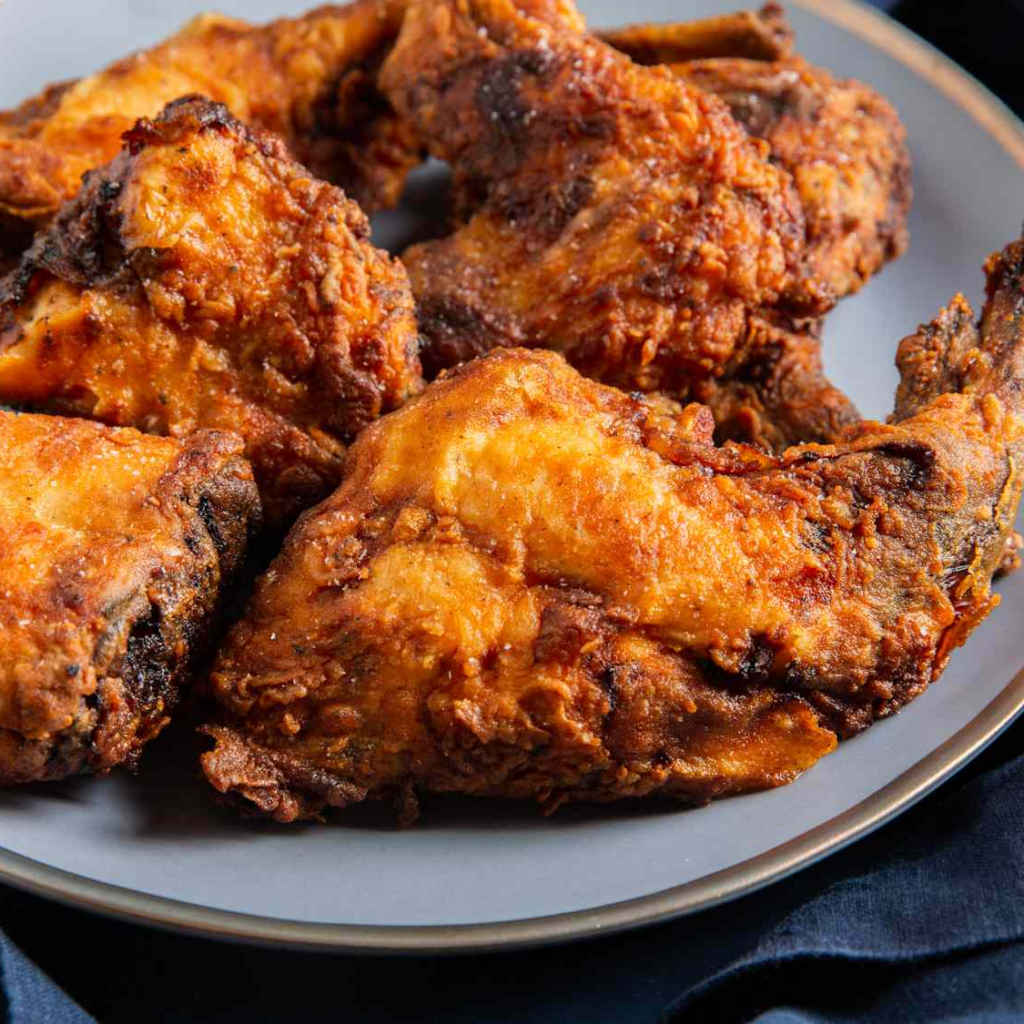
Most lean proteins make you trade off somewhere.
- Chicken is lean but lower in iron
- Fish is excellent but not always accessible
- Beef has iron and flavour—but carries a heavy fat load
Rabbit meat sidesteps most of those compromises.
Per 100 grams of cooked rabbit meat, you get:
- 33g of protein — among the highest of any common meat
- 3.5g of total fat — comparable to a skinless chicken breast
- Only 172 calories — high protein, low energy density
- 82mg of cholesterol — lower than beef and pork
- 47mg of sodium — significantly lower than most processed meats
- 7.2µg of Vitamin B12 — more than twice the daily requirement in a single serving
- 2.3mg of iron and 263mg of phosphorus — critical for blood health and bone strength
The table below shows the full comparison between rabbit, chicken, and lean beef per 100 grams:
| Nutrient (per 100g) | Rabbit | Chicken Breast | Lean Beef |
| Calories (kcal) | 172 | 165 | 215 |
| Protein (g) | 33 | 31 | 26 |
| Total Fat (g) | 3.5 | 3.6 | 12 |
| Saturated Fat (g) | 1.0 | 1.0 | 4.6 |
| Cholesterol (mg) | 82 | 85 | 90 |
| Sodium (mg) | 47 | 74 | 65 |
| Iron (mg) | 2.3 | 1.0 | 2.7 |
| Phosphorus (mg) | 263 | 220 | 200 |
| Vitamin B12 (µg) | 7.2 | 0.3 | 2.0 |
Source: USDA FoodData Central, FAO Food Composition Tables.
Is Rabbit Meat High in Cholesterol? No — Here Is the Data
This is one of the most common misconceptions about rabbit meat, and the data settles it quickly. Rabbit meat contains approximately 82mg of cholesterol per 100g. Lean beef sits at around 90mg. A chicken breast comes in at 85mg. Rabbit is at the bottom of that list, not the top.
What matters more than total cholesterol is the saturated fat content — the key dietary driver of LDL (bad) cholesterol. Rabbit meat contains just 1.0g of saturated fat per 100g. Lean beef contains 4.6g — more than four times as much.
| The saturated fat in rabbit meat is on par with skinless chicken breast. For anyone managing their cardiovascular health or cholesterol levels, rabbit is one of the safest red-meat alternatives available. |
Rabbit meat is also low in sodium — 47mg per 100g — which matters for blood pressure management. Most processed red meats carry three to five times that sodium load per serving.
Rabbit Meat vs Beef: Which Is Healthier?
Beef has cultural weight — it is what people default to. But if you put the two side by side on pure nutrition, rabbit wins on most metrics that matter for long-term health.
| Metric (per 100g) | Rabbit | Lean Beef |
| Protein | 33g ✓ | 26g |
| Total Fat | 3.5g ✓ | 12g |
| Saturated Fat | 1.0g ✓ | 4.6g |
| Cholesterol | 82mg ✓ | 90mg |
| Sodium | 47mg ✓ | 65mg |
| Calories | 172 ✓ | 215 |
| Vitamin B12 | 7.2µg ✓ | 2.0µg |
Rabbit outperforms lean beef on every column above. It delivers more protein, fewer calories, far less fat, and significantly less saturated fat. If you value what beef brings to the table in terms of iron and protein, rabbit gives you both — with a much cleaner fat profile alongside.
Beef has its place. But for anyone eating meat with their health in mind, rabbit is the more disciplined choice.
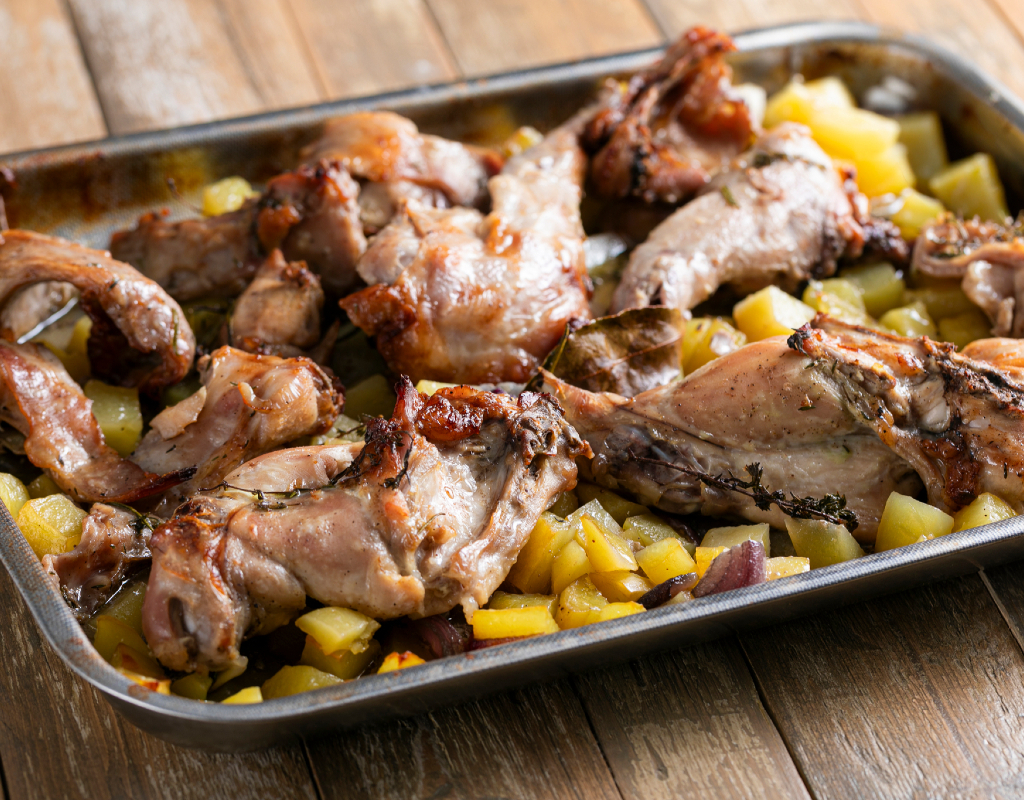
Rabbit Meat Benefits for Men
Rabbit meat aligns closely with what most men are trying to achieve nutritionally — whether that is building lean muscle, maintaining a healthy weight, or simply eating better without sacrificing a satisfying meal.
Muscle Building and Recovery
At 33g of protein per 100g, rabbit meat is one of the best whole-food protein sources available for muscle synthesis. Protein drives muscle repair after training. The more complete and bioavailable the protein source, the better. Rabbit meat contains all essential amino acids, making it a complete protein comparable in quality to beef and chicken.
Testosterone and Zinc
Rabbit meat contains zinc, a mineral directly tied to healthy testosterone production. Men who are zinc-deficient often see testosterone levels fall. Regular consumption of high-zinc animal proteins like rabbit helps maintain the hormonal environment needed for energy, libido, and physical performance.
Weight Management
High protein, low fat, low calories. That combination is exactly what supports body recomposition. Losing fat while preserving or building muscle mass. For men who are watching their weight but do not want to sacrifice satiety or protein intake, rabbit meat is one of the most practical solutions on a plate.
Rabbit Meat Benefits for Women
The nutritional profile of rabbit meat addresses several health priorities that are especially relevant for women from iron to bone density to lean-body management.
Iron for Blood Health
Rabbit meat contains 2.3mg of iron per 100g. Women of reproductive age lose iron monthly through menstruation and are among the most iron-deficient populations globally. Animal-based (haem) iron found in rabbit meat is absorbed significantly more efficiently by the body than plant-based iron. Incorporating rabbit into your weekly meals is a direct, effective strategy for maintaining healthy haemoglobin levels.
Bone Health
Rabbit meat is an excellent source of phosphorus (263mg per 100g), which works alongside calcium to maintain bone density. This matters more as women age — particularly post-menopause, when bone loss accelerates. Getting phosphorus from whole food sources like rabbit meat is more effective than relying solely on supplements.
Lean Protein for Weight Management
Protein keeps you full. Rabbit meat’s combination of high protein and very low fat makes it ideal for women managing their weight without caloric restriction that leaves them hungry. You can eat a nutritionally dense, satisfying meal on far fewer calories than an equivalent portion of beef.
Vitamin B12 for Energy
B12 deficiency is surprisingly common among women, particularly those who have reduced their meat consumption. Rabbit meat contains 7.2µg of B12 per 100g — more than enough to meet the daily requirement in a single serving. B12 is essential for energy production, red blood cell formation, and neurological function.
Other Notable Health Benefits of Rabbit Meat
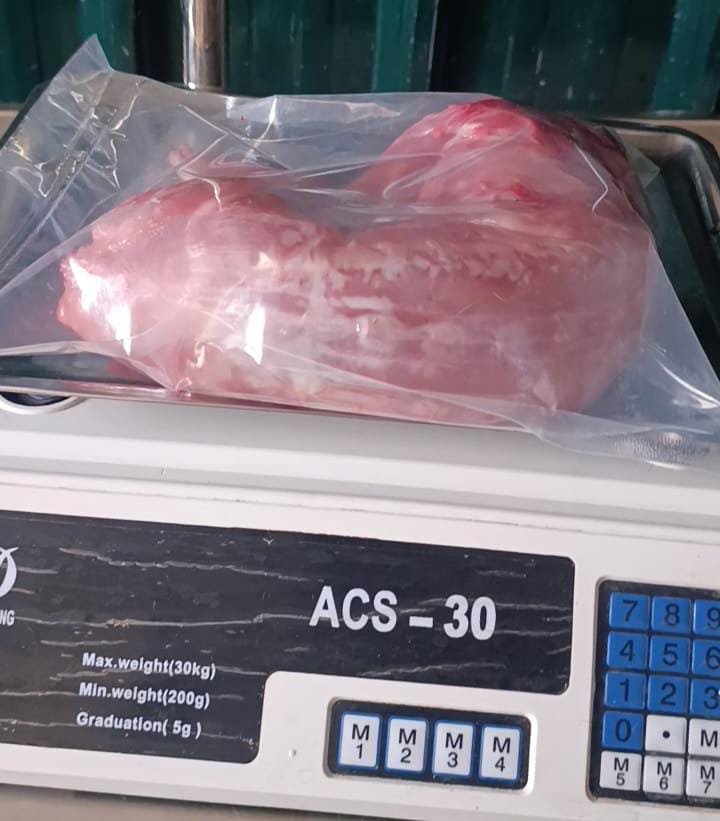
Heart Health
The low saturated fat and low sodium content in rabbit meat supports cardiovascular health directly. Diets high in saturated fat are associated with elevated LDL cholesterol and increased cardiovascular risk. Swapping beef or processed meats for rabbit even a few times a week reduces that burden meaningfully.
Easily Digestible
Rabbit meat has a fine-grained muscle fibre structure that makes it easier to digest than beef or lamb. This makes it a good protein option for people recovering from illness, the elderly, or anyone with a sensitive digestive system.
Suitable for Diabetics and Weight-Loss Diets
Rabbit meat is naturally low in fat and contains no carbohydrates, making it compatible with low-carb, ketogenic, diabetic, and caloric-restriction diets. The high protein content also moderates blood sugar spikes post-meal by slowing digestion.
| Rabbit meat is not a niche or exotic protein — it is one of the most nutritionally efficient meats you can eat. High protein, low fat, low sodium, and rich in iron, B12, and phosphorus. The data supports it at every point. |
Get Fresh Rabbit Meat in Nairobi — Choice Farms Ltd
If you are in Nairobi and want to add rabbit meat to your diet, sourcing matters. You want meat that is clean, properly processed, and traceable — not something that has passed through multiple handlers with no accountability along the way.
Choice Farms works directly with vetted local rabbit farmers across Kenya. Every rabbit is raised under monitored conditions, and the meat is processed hygienically and delivered fresh. There are no middlemen guessing at provenance — the supply chain is short and fully traceable.
Whole rabbit portions start at Ksh. 900 per kg, with full rabbit meat ranging from 1.1 to 2 kg — enough for a full family meal. We offer instant delivery within Nairobi, so the meat arrives fresh, not frozen and handled.
Whether you are buying for your household, your fitness meal prep, or your restaurant kitchen, Choice Farms is the most direct route to clean, nutritious rabbit meat in Nairobi.
| Order now via WhatsApp or visit choicefarms.co.ke. Fresh rabbit meat, delivered to your door across Nairobi — starting from Ksh. 900/kg. |
How to Cook Rabbit Meat (Simple Friendly Methods)
Rabbit meat is easy to prepare and fits naturally into everyday Kenyan meals. You can cook it just like chicken, with a few small adjustments because it is leaner.
1. Stewing (Best for Home Cooking)
This is the most popular method in Nairobi households.
- Cook with onions, tomatoes, garlic, and ginger
- Add spices such as salt, black pepper, curry powder, paprika, and a pinch of turmeric
- Add a bit of oil or fat to improve flavour and texture
- Simmer slowly for 40 to 60 minutes until tender
Ideal for serving with ugali, rice, or chapati.
2. Grilling (For Flavor and Texture)
Rabbit meat grills well when properly marinated.
- Marinate for at least 2 to 4 hours using garlic, ginger, lemon juice, paprika, black pepper, and a little oil
- Optional additions include rosemary or thyme for extra flavour
- Use medium heat to avoid drying out
- Turn frequently for even cooking
Great for BBQs or weekend meals.
3. Pan-Frying (Quick and Convenient)
Perfect for boneless cuts or small portions.
- Season with salt, black pepper, paprika, and a little garlic
- Cut into small pieces for even cooking
- Use moderate heat and a bit of oil
- Cook for 10 to 15 minutes until golden brown
Works well for quick weekday meals.
4. Slow Cooking (Most Tender Results)
Best for tougher cuts or whole pieces.
- Cook with onions, garlic, ginger, bay leaves, and black pepper
- Add broth or a tomato-based sauce to retain moisture
- Optional spices include thyme, curry powder, or mixed herbs
- Cook on low heat for several hours until very tender
Ideal for family meals or bulk cooking.
Pro Tips for Cooking Rabbit Meat
- Rabbit is very lean, so always add a little oil, fat, or liquid
- Avoid overcooking because it can become dry
- Marinating improves both tenderness and flavour
- Cook until the meat is fully done but still juicy
How to Store Rabbit Meat
Proper storage helps maintain freshness and safety.
- Refrigerate fresh rabbit meat and use within 2 to 3 days
- Freeze if storing for longer periods, it can last several months
- Store in clean, airtight packaging to prevent contamination
- Thaw frozen meat in the fridge, not at room temperature
- Always cook thoroughly before eating
Order Rabbit Meat Online
Rabbit meat is not the future of healthy eating — it is already one of the best proteins available. Thirty-three grams of protein per 100 grams. Less fat than chicken. Less cholesterol than beef. More B12 than almost anything else on your plate. It supports muscle growth, heart health, bone density, and blood health simultaneously.
The only reason rabbit meat is not already in your fridge is familiarity. The nutrition data has been clear for decades. Try it once with a proper source — fresh, clean, and traceable — and the question of whether to eat it again answers itself.
Order Rabbit Meat. Shop F6: Total Ruaraka, Thika Road (Next to Queen of Apostles Catholic Church), Nairobi Call / WhatsApp: +254715 626955 | +25452 683530
Add a Comment