Is-rabbit-farming-profitable

Is Rabbit Farming in Kenya Profitable?

Imagine walking into a busy Nairobi market and finding a crowd. But it’s not at the usual beef or chicken stalls. Instead, people are lining up for rabbit meat. What was once seen as a luxury for a few is now becoming a common choice for health-conscious Kenyans.

Rabbit meat is lean, packed with protein, and low in fat and cholesterol. It cooks quickly and complements many Kenyan dishes. As more people become aware of its benefits, demand continues to rise.

In fact, rabbit farming in Kenya has experienced a steady rise, with both small-scale farmers and commercial ventures seizing the opportunity. According to the Livestock Research for Rural Development (LRRD), the rabbit population has increased by nearly 427,000 in five years, and the demand for rabbit meat continues to outpace supply. 

So, is rabbit farming profitable in Kenya? Yes, it can be. However, like any business, it requires effective planning and sound management. In the following sections, we will look at what makes rabbit farming a smart choice and what challenges to expect along the way.

Why Rabbit Farming is a Smart Choice

Kenya’s agricultural sector has long relied on traditional livestock farming, such as cattle, goats, and chickens. However, rabbit farming is emerging as a viable alternative for farmers looking for a cost-effective, high-yield livestock option. 

Here are several reasons why rabbit farming stands out.

1. Affordable Startup Costs

Rabbit farming requires significantly less capital compared to other forms of livestock farming. You don’t need vast stretches of land. In fact, one adult rabbit only needs about 2 feet by 2 feet of space in a raised cage.

Also, feeding rabbits is relatively cheap. They thrive on pellets and locally available forages, such as hay, drastically lowering feed costs. This affordability is crucial in Kenya, where many small-scale farmers often face limited resources.

For example, setting up a rabbit farm can cost a fraction of what it would take to start a cattle or poultry farm. This is because rabbits require less space, incur fewer veterinary costs, and their housing can be constructed from inexpensive materials such as wood and wire mesh. The low startup costs allow many Kenyans to engage in farming without needing large loans or savings. Rabbit Choice Farms also assists with cage construction at affordable rates.

2. Rapid Reproduction and Growth Rates

One of the biggest advantages of rabbit farming is their ability to reproduce quickly. A single doe (female rabbit) can give birth to 6 to 10 kits (baby rabbits) per litter, and with a gestation period of just 28-32 days, a rabbit can give birth after every two months. This means a farmer can start with just a few rabbits and quickly grow their stock within a short period.

Here’s a sample production sheet over a period, starting with twenty does (mothers)

Sample rabbit farming production sheet

Take a look at the growing global trend in rabbit production.
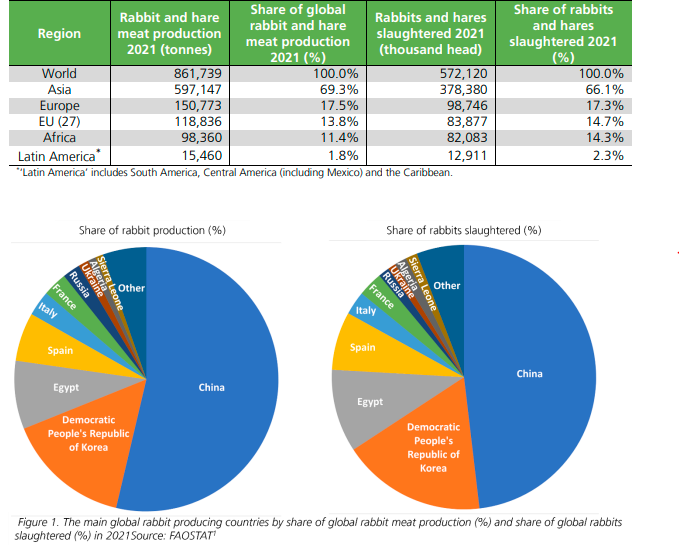
Global growing trend in rabbit production

Source Via FAOSTAT

3. Short Maturity Time

Rabbits grow rapidly, reaching market weight in just 3 to 5 months. This short maturity time means that farmers can start earning returns within a few months of starting their farming operations. Compare this to cattle or goats, which may take years to reach maturity, and you’ll see why rabbit farming is such an attractive option for those looking to make profits quickly.

The fast growth rate also means farmers can harvest and sell their rabbits frequently, ensuring a steady income stream throughout the year. Additionally, because rabbits mature quickly, they allow farmers to meet market demand without long waiting periods, ensuring business continuity.

4. Increasing Demand for Rabbit Meat

The demand for rabbit meat is on the rise in Kenya, particularly in urban areas such as Nairobi, Kisumu, and Mombasa. Rabbit meat is recognized as a healthier alternative to traditional red meats, such as beef and pork, as it is lower in fat and cholesterol but higher in protein. This has made it popular among health-conscious consumers, including those looking to manage conditions like high blood pressure and heart disease.

Moreover, there is a growing awareness of the benefits of rabbit meat, with more consumers opting for lean, organic meat options. Restaurants, hotels, and supermarkets are increasingly adding rabbit dishes to their menus and shelves. This shift in consumer preference presents a good opportunity for farmers who can tap into this expanding market.

Take a look at this visual representation of the growing demand for rabbit meat and consumer buying decisions.
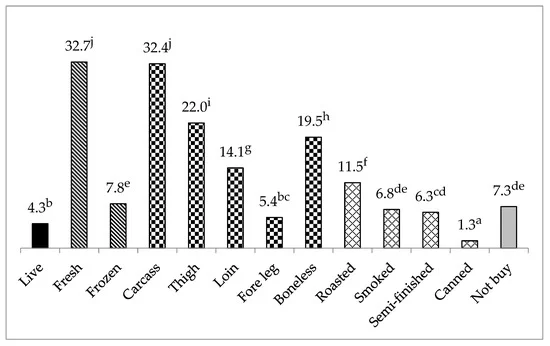
Effect of rabbit meat forms on consumers’ buying decision

Source via MDPI

In Kenya, the rising middle class is also fueling demand for higher-quality and diverse food options, which include rabbit meat. The increase in disposable income among urban dwellers means people are willing to pay a premium for healthy food products. As a result, rabbit meat is gradually shedding its label as a “specialty” item and becoming more mainstream.

5. Low Competition and Growing Niche

Unlike chicken or beef farming, rabbit farming in Kenya remains relatively untapped. This means there’s less competition in the market, and rabbit farmers can enjoy better prices for their products. Because the sector is still growing, early entrants have the chance to establish themselves as market leaders, capturing a loyal customer base before the industry becomes crowded.

Many small-scale rabbit farmers report that they rarely struggle to find buyers because the demand for rabbit meat often exceeds supply. This low level of competition, paired with the growing interest in rabbit meat, offers a unique opportunity for Kenyan farmers to capitalize on a niche market.

6. Multiple Revenue Streams

Rabbit farming doesn’t just generate income through meat sales. There are several additional ways to make money from rabbit farming, which improves the profitability of the venture. 

Let’s look at a few examples.

  • Rabbit Manure: Rabbit droppings are rich in nutrients like nitrogen, phosphorus, and potassium, making them excellent organic fertilizer. Many farmers practicing organic farming are eager to buy rabbit manure, creating an additional income stream.
  • Rabbit Urine: Surprisingly, rabbit urine has become a sought-after product for its use as an organic pesticide. Farmers across Kenya are using rabbit urine to protect their crops from pests, and this has created a new market for rabbit farmers to explore.
  • Rabbit Fur: Though still a small market in Kenya, there is potential in selling rabbit fur for use in fashion and crafting. This is especially true for breeds like the Angora rabbit, known for its soft and fluffy fur.

By diversifying income streams, rabbit farmers can maximize their profits while reducing their reliance on a single market.

Challenges in Rabbit Farming

While the benefits of rabbit farming in Kenya are numerous, it’s important to be aware of the challenges. As with any farming venture, there are obstacles that farmers must overcome to achieve success. 

Here are some of the challenges.

1. Disease Management

Rabbits are susceptible to a number of diseases, and disease outbreaks can wipe out an entire stock if not managed properly. The most common diseases affecting rabbits include coccidiosis, pasteurellosis, and snuffles, all of which can spread rapidly if hygiene and management practices are not up to standard.

Here’s a chat showing common rabbit diseases and their prevalence.
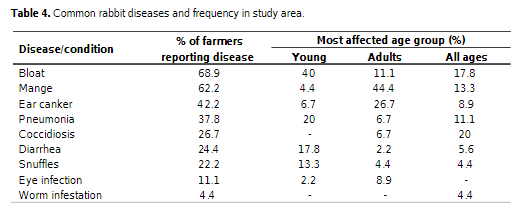
Common Rabbit Diseases

Source via IJLP

To mitigate these risks, rabbit farmers need to maintain clean and well-ventilated housing for their animals. Regular health checks and preventive measures, such as deworming, are crucial in ensuring the health of the herd. A strong relationship with a vet who specializes in rabbit care is also beneficial. Here at Rabbit Choice Farms, we have vetted and professional vets to safeguard the health of your herd.

2. Limited Expertise and Resources

Though rabbit farming in Kenya is growing, there is still a shortage of farming experts and veterinary services that specialize in rabbits. Many farmers struggle to find the right guidance on rabbit nutrition, breeding, and disease management, leading to suboptimal farming practices and lower productivity.

Additionally, access to quality breeding stock and reliable feed can be a challenge for farmers in rural areas. Investing in proper training and resources is essential for new and existing rabbit farmers to improve their knowledge and skills. Rabbit Choice Farms offers the best breeds and proper training on how to manage your rabbit farm.

3. Market Access

While demand for rabbit meat is increasing, not all farmers have access to markets where they can sell their produce. Farmers in rural areas may face difficulties connecting with urban buyers or retailers. Without reliable distribution channels, many farmers end up selling their rabbits at lower prices to middlemen, reducing their profit margins.

To overcome this challenge, rabbit farmers need to establish networks with restaurants, supermarkets, and hotels that are willing to buy their rabbits directly. But don’t worry. At Rabbit Choice Farms, we bridge that gap by buying rabbits from our contracted farmers and selling it in the market, so you can have the peace of mind of taking care of your herd. 

Wrapping Up

So, you are concerned about whether rabbit farming is Profitable in Kenya, the answer is a resounding yes. Rabbit farming in Kenya presents a significant opportunity for those looking to engage in a low-cost, high-return agricultural venture. With growing demand for rabbit meat, low production costs, and the ability to diversify revenue streams, rabbit farming can be an incredibly profitable business.

However, like any venture, success requires careful management, proper planning, and a strong understanding of the market. By focusing on disease control, market access, and continuous learning, rabbit farmers in Kenya can position themselves to reap the benefits of this rapidly growing industry.

We can help you begin with the right breeds, training, and market support. Whether you’re just starting or want to grow your rabbit business, we’ll walk with you every step of the way.

Become a rabbit farmer with us and turn your space into a profitable source of income.
Buy-rabit-meat-in-kenya-Supplier-overview

Where to Buy Rabbit Meat in Kenya: Supplier overview

Rabbit meat is quickly gaining popularity across Kenya, especially among people who want healthier meat options. It’s rich in protein, low in fat, and has an easy-to-prepare recipe. Whether you’re buying for your home kitchen or sourcing for a restaurant, getting clean, high-quality rabbit meat is important.

As more people begin to search for where to buy rabbit meat in Kenya, the market has opened up with a mix of suppliers, from large supermarkets to local farmers. This guide breaks down the most trusted places you can buy rabbit meat, what to expect, and why your source matters.

4 Sources to Buy Rabbit Meat in Kenya

If you’re looking to buy rabbit meat in Kenya, you have several options depending on your location, budget, and how much freshness matters to you. The key is choosing a source that prioritizes hygiene, quality, and proper handling.

Below are the most common and reliable places to source rabbit meat.

1. Direct from Rabbit Choice Farms Ltd

Getting your rabbit meat directly from a farm is one of the best ways to ensure freshness, traceability, and value for money. You know where the rabbit came from, how it was fed, and how it was processed.

Rabbit Choice Farms is one of the most trusted suppliers of rabbit meat in Kenya. The farm runs its own modern butchery on-site, where rabbits are slaughtered under clean, professional conditions. This ensures the meat reaches you fresh and well-packaged.

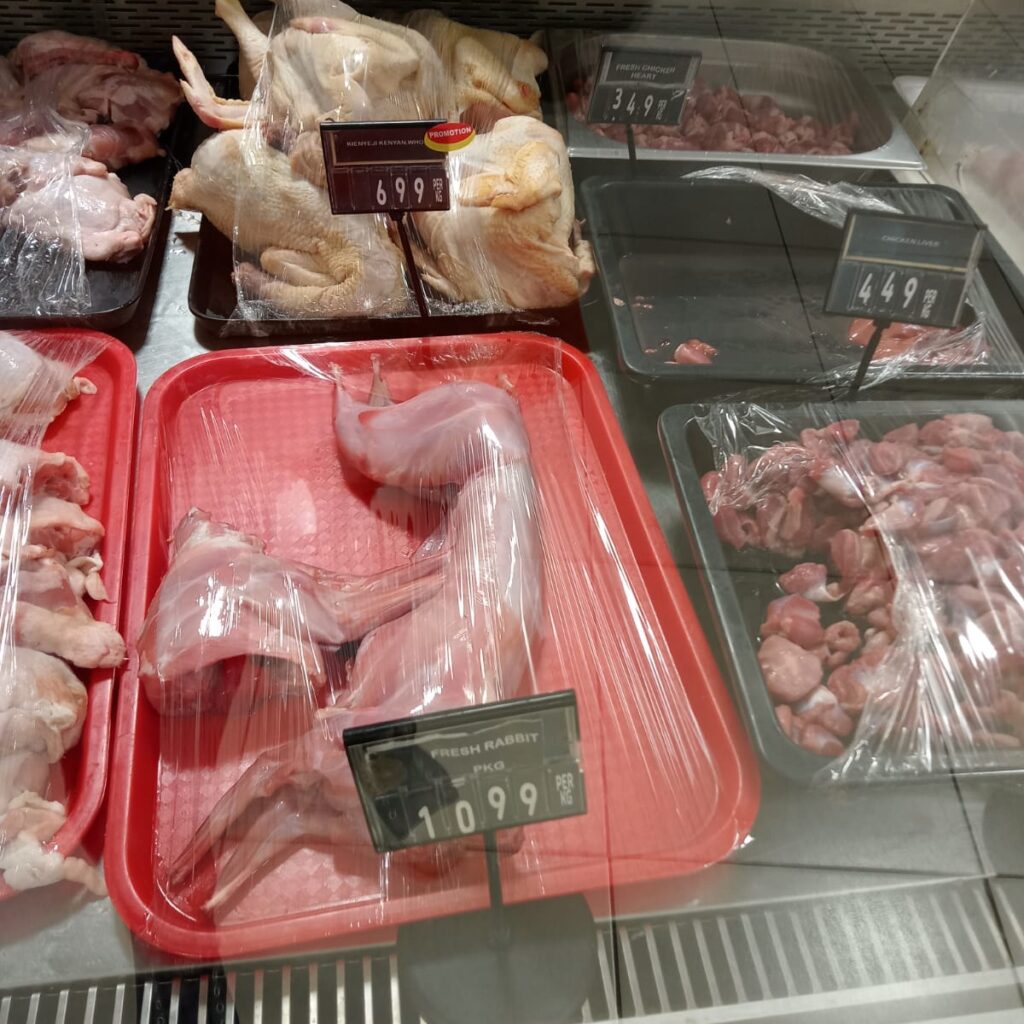
Prices are affordable too. At Rabbit Choice Farms, meat goes for KSh 800 per kilogram, and whole rabbits start from KSh 1,200, depending on weight and cut preferences. This is often cheaper than supermarkets, where rabbit meat prices start at around KSh 1,000 per kilogram.

To meet growing demand, Rabbit Choice Farms also contracts local rabbit farmers to supply healthy, well-raised rabbits that meet strict quality standards. This model not only supports the local farming community but also keeps supply steady without compromising on quality.

The farm also delivers rabbit meat in Nairobi and nearby towns. You can place your order on our website or through our WhatsApp number 0715626955. We have built a reputation for consistency and quality, both for household orders and bulk supply to hotels and butcheries.

Here’s what some of our customers have to say:

Rabbit choice farms review on Buy rabbit meat in Kenya

Other small-scale farms around Kiambu, Nakuru, and Nyeri also supply rabbit meat, but their availability may vary depending on the season and location.

2. Supermarkets

You can also buy rabbit meat from a few major supermarkets in Kenya. Most of what’s sold in these stores is frozen and pre-packed, but it’s a convenient option if you’re shopping in town.

Some supermarkets known to stock rabbit meat include:

  • Naivas – Found in major towns like Nairobi, Kisumu, and Nakuru
  • Carrefour – Branches like Westgate, The Hub, and Two Rivers sometimes stock rabbit cuts in their meat section
    Quickmart – Some outlets, especially in Nairobi, offer rabbit meat based on supplier availability

If you’re searching for rabbit meat near me, a quick stop at one of these supermarkets might help, although their prices are higher compared to direct sourcing from the farm. Even so, remember to check the packaging date and ensure the meat has been stored properly.

Supermarket rabbit meat

3. Local Butcheries and Pork Centres

In some towns, rabbit meat is available at butcheries and pork centers that deal in various types of meat. This option is usually more affordable and supports local farmers, but the availability is inconsistent.

You can try:

  • Pork centres in places like Nairobi’s Kahawa West, Nakuru town, and parts of Eldoret
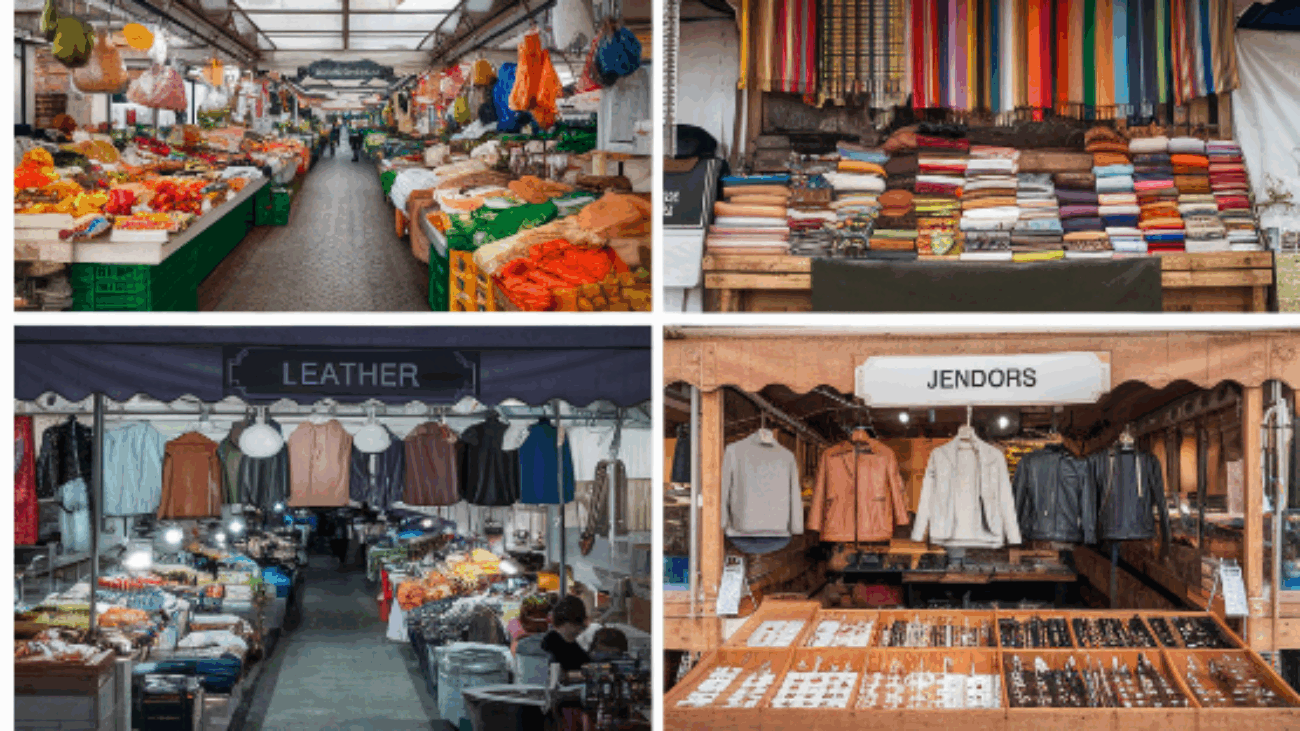
  • City Market, Nairobi – Some vendors stock rabbit meat, especially during weekends or holidays
  • Local butcheries in Thika, Meru, and Embu, where farmers deliver freshly slaughtered meat on market days

Be sure to ask about the source of the meat and when it was slaughtered. If handled well, this can be a good way to get fresh rabbit meat.

4. Online Stores and Home Delivery

Buying rabbit meat online is a growing trend in Kenya. This is a good choice for people who prefer convenience and want the meat delivered straight to their home or business.

Rabbit Choice Farms also leads in this space. You can place your order on our website or through WhatsApp, and the delivery process is quick and reliable.

While some sellers also promote rabbit meat on platforms like Facebook Marketplace or Jiji, always verify their hygiene standards and delivery methods before placing an order. If you’re planning to order rabbit meat online, stick with suppliers who are known for quality and transparency.

Why the Right Supplier Matters

When it comes to meat, safety and freshness should always come first. The way a rabbit is raised and slaughtered affects both taste and health. Buying from trusted rabbit meat suppliers in Kenya gives you peace of mind. You avoid contamination, poor hygiene, and the risks that come with meat from unknown sources. Choosing a reputable supplier also helps support ethical farming practices and boosts the rabbit farming industry in Kenya.

Final Thoughts

Rabbit meat is not only healthy, but also delicious and versatile. It can be roasted, fried, stewed, or even grilled. But for the best results, always buy from a supplier you can count on.

If you’re serious about getting clean, fresh rabbit meat that’s delivered with care, Rabbit Choice Farms is a name you can trust. We’ve earned the confidence of both home cooks and restaurant owners by offering top-quality rabbit meat with great service.

Ready to try it out? Contact us today to place your order. Fresh, organic rabbit meat is just a few clicks away.

Rabbits-for-meat

How to Raise Rabbits for Meat

Rearing rabbits for meat has become a popular agricultural practice, particularly given the increasing demand for meat. 

2021 statistics indicate that over 570 million rabbits were slaughtered globally, resulting in approximately 860,000 tons of meat. This production is valued at $1.5 billion and continues to grow annually. 

Investing in rabbit rearing for meat production is thus a promising venture. To achieve optimal results, understanding the fundamentals of rabbit rearing is crucial.

In this article, we guide you through essential practices and considerations for successfully raising rabbits for meat.

Choosing the Right Breed and Stock

Although rabbits for meat are categorized as a commercial group of rabbits, you should keep in mind that not all breeds in this category are high-yielders. New Zealand White and California White are the best rabbit breeds for meat production, as they grow rapidly

California White Rabbit

California White

New Zealand White Rabbit

New Zealand White

Other breeds, such as the Palominos, Chinchillas, and Satins, may have unique colors, but they grow slowly, requiring more time for development. 

Once you’ve settled on your choice of breed, the next step is selecting your starting breeding stock. You can have a 1:3 or 1:5 ratio, meaning one buck for three does or one buck for five does. Although some farmers may recommend a higher ratio, a smaller ratio allows the bucks to have greater genetic diversity. 

Let’s look at key things to consider when choosing your breeding stock.

  • Source from reputable breeders: Using established breeders, such as Rabbit Choice Farms, ensures that you obtain detailed records of the stock you are acquiring. You can even request to see the parents of the litter you want to purchase. This way, you’ll gain insights into how the young stock will look when they mature. 
  • Check the kindling records: It’s tempting to acquire a generation with a history of producing a large litter. However, consider a doe with moderate kindling as the kits grow larger and more steadily. 
  • Diversify your sources: If you’re starting with a large stock, consider visiting multiple breeders to ensure a diverse selection. This ensures better genetic diversity and minimizes the risk of getting stock with inbreeding and genetic flaws.
  • Check for thick and sturdy bones: A rabbit with thicker bones can support more muscle weight. You can run your hands gently over the rabbit as a test for protruding bones. However, keep in mind that a young rabbit may not have similar muscle development to that of a mature rabbit, and their bones might protrude somewhat.

Setting Up Housing and Equipment

This comprises cages, feeders, and waterers. Ensure you follow the proper standards to make your rabbits comfortable and to avoid contracting unnecessary diseases. Let’s look at the essentials you need in detail.

Cages

When building your rabbit cages, the factors that come into play are cost, type of materials and their availability, climate, and your skill in setting up the equipment. You will need materials like:

  • Wire mesh and BRC
  • Tape
  • Wire nippers
  • J-clips and pliers
  • Wooden or metal stands
  • Measuring tape
  • Galvanized sheets
  • Monkey wire

Once your materials are ready, start laying out the cage dimensions, including its length, width, and height. The dimensions can be customized to your liking, but they vary depending on whether the cage is intended for a doe or a buck. 

Here’s a guide you can use to customize your own.

  • Breeding doe/ fattening cage – 30″ * 24″ * 17″
  • Breeding/ replacement buck- 18″ * 24″ * 17″
  • Flooring -1″ * 1/2″ square mesh of 14-16 gauge
  • Doors 15” * 15”
  • Floor space: 2″ x 2″ (BRC to enhance support); overlay with monkey wire.
  • Side and top- 3/4″ * 3/4″ wire mesh
Rabbit Cage dimensions

When making your cages, ensure they are easy to clean and maintain. If you’re starting with a large stock and have limited space, you can use tier cages. However, ensure the rabbit waste from the upper cages does not fall directly into the lower cages.

Tiered Rabbit cage

Tips for constructing and maintaining your cages

Here are tips to follow when constructing and maintaining your cages.

  • Use materials of good quality, as they last longer, saving you the cost of unnecessary repairs.
  • Avoid leaving open corners where your rabbits may fall out. Ensure your wire is strong and thick so they don’t gnaw through it.
  • Ensure your floor is “self-cleaning” so waste can easily pass through.
  • Allow sufficient ventilation to prevent respiratory issues or heat stress.
  • Avoid leaving tight corners to avoid waste accumulation.

Feeders

You can make your feeders with locally available materials or buy them from the supply store. 

Here are different designs of feeders, both commercial and DIY.

various types of rabbit feeders

When selecting and placing your feeders, consider these valuable tips.

  • Feeders should be made of strong materials and securely placed
  • Keep them in an accessible place where the rabbits cannot urinate or defecate on them.
  • Place them further from the waterers so that no water gets in them.

Waterers

You can use your own materials to make the water containers or buy automatic waterers with nipples. Automatic waterers are ideal for large stocks and are mounted onto PVC piping.

Automated rabbit waterer

Ensure they are securely placed so the rabbits do not toss them around and to avoid spillage.

Nesting Equipment

This is where a pregnant doe kindles. It is mostly made out of wood and has dimensions of 18″ * 12″ * 12″. Ensure you have a nest box for every breeding doe and thoroughly sanitize it. You can either leave it open or close it up, but keep a 2-inch lip to prevent the kits from rolling to the cage floor. 

A rabbit nesting box

Feeding Rabbits for Meat

The most effective and easiest approach to feeding our rabbits for meat is to use commercial rabbit pellets and hay. Manufactured pellets have a complete formulation, so you won’t need to give any additional supplements, such as proteins or salt. However, ensure you source from a reputable feed company.

Since you’re doing rabbit farming for meat, resist the temptation of feeding less expensive hay grain or garden or kitchen waste. This poor-quality diet results in lower rabbit reproduction and growth. Consider quality over quantity, as this is the determining factor in getting the desired results.

With that in mind, giving your rabbits small amounts of fresh feed, such as a carrot or wilted sweet potato vines, doesn’t harm. This may help stimulate the rabbit’s appetite and promote their gentle behavior.

How Much Pellets to Feed Your Rabbits Daily

On average, 100 grams of commercial rabbit pellets per day is ideal for an adult rabbit. This amount provides enough protein, fiber, and energy for maintenance and healthy growth.

Adjustments Based on Purpose:

  • Growing kits (4–12 weeks): Start with 50g and gradually increase to 100g/day.
  • Breeding does (pregnant or nursing): 150g–200g/day to meet higher nutritional needs.
  • Bucks and non-breeding adults: Maintain at 100g/day.
  • Meat rabbits: For fast weight gain, you can increase slightly up to 120g/day, depending on the breed and pellet formulation.

Here are useful tips when feeding rabbits for meat

  • Feed them early mornings and late evenings
  • Feed rabbits wilted grass to prevent diarrhea
  • Give rabbits fresh pellets daily and avoid leaving them overnight to prevent attracting rats. Instead, give hay overnight.
  • If you need to change feeds, do it gradually over 2 weeks

Health Management of Rabbits for Meat

Rabbits do not require routine vaccination like other livestock. Proper feeding, housing, and management ensure their general health. However, note the early signs of diseases and treat them correctly.

Let’s look at some of the major rabbit diseases.

Digestive Disorders

Digestive issues are common in rabbits, particularly among newly weaned rabbits, and can lead to serious health problems if not properly managed.

Causes of digestive disorders

  • Irregular feeding patterns in young rabbits who are still adjusting to solid food.
  • Sudden diet changes, especially switching to feeds high in grains.
  • Coccidiosis, a parasitic infection, which can cause diarrhea and is often identified by small white spots on the liver during post-mortem.

Prevention and control

  • Maintain consistent feeding routines, especially for weanlings.
  • Avoid abrupt changes in diet; introduce new feeds gradually.
  • Clean cages daily to reduce the risk of infection and contamination.
  • At the first signs of an outbreak, administer commercial anti-coccidial medication as advised by a vet or feed supplier.

Pasteurellosis (Snuffles)

Pasteurellosis, commonly known as snuffles, is a contagious respiratory disease in rabbits that can lead to Pneumonia if left untreated.

Causes and risk factors

  • Overcrowded housing conditions
  • Poor ventilation
  • High ammonia levels from urine, which irritate the respiratory tract

Symptoms

  • Sneezing
  • Nasal discharge
  • Labored breathing in severe cases

Management and prevention:

  • Although there is no complete cure, antibiotics can help manage the infection.
  • Maintain good ventilation in rabbit housing to prevent the buildup of ammonia.
  • Avoid overcrowding.
  • Cull severely affected rabbits to prevent the spread of the disease.

Parasites in Rabbits

Rabbits are susceptible to both external and internal parasites, with mites and protozoa being the most common.

Types of parasites

  • Mites: Cause ear and skin mange, leading to itching, scabbing, and discomfort.
  • Protozoa: Cause liver coccidiosis, an internal parasitic infection that can be fatal if untreated.

Prevention and control

  • Maintain strict hygiene by cleaning cages and equipment regularly.
  • For mites, apply a few drops of oil (e.g., mineral or vegetable oil) on the affected areas to suffocate them.
  • Treat all adult rabbits simultaneously to prevent re-infestation.
  • Use commercial mite treatments or veterinarian-prescribed medications for more effective results.

Sore Hocks

Sore hocks, also known as pododermatitis, occur when the fur on the bottom of a rabbit’s feet wears away, exposing the skin to injury from wire flooring.

Causes

  • Little or no fur on the hocks (often genetic)
  • Nervous stomping behavior
  • Overweight rabbits placing excess pressure on their feet
  • Continuous contact with rough or wire flooring

Consequences

  • Open sores on the hocks
  • Risk of infection
  • Pain, reduced movement, and stress

Prevention and Management:

  • Inspect hocks regularly for early signs of irritation.
  • Use resting boards or mats in cages to reduce contact with wire.
  • Keep cages clean and dry to avoid infection.
  • In severe cases where infection has set in and the rabbit is suffering, culling may be necessary, as treatment is often difficult and costly.

Butchering and Processing

So, you’ve raised your rabbits well; fed them, kept them healthy, and now it’s time for the final step: butchering. While it can feel intimidating at first, once you learn the proper process, it becomes a straightforward task that ensures you get clean, quality meat.

When Is the Right Time to Slaughter?

Most rabbits for meat breeds, such as New Zealand Whites and Californians, reach slaughter weight between 12 and 16 weeks of age. At this point, they weigh around 2.5 to 3 kg, and their meat is still tender. Waiting too long means the meat becomes tougher, and they consume more feed, which cuts into your profits.

Preparing for Butchering

Here’s what to do before the actual slaughter:

  • Withhold feed for 12 hours beforehand. This empties their digestive system, making the process cleaner.
  • Make sure you have clean tools, including:
    • A sharp knife
    • Clean buckets
    • A hanging setup or table
    • Running water, if possible
  • Wear clean clothing and gloves to maintain hygiene.

The Slaughter Process

There are several humane methods for slaughtering rabbits for meat. One of the most common methods is:

  • Stun the rabbit quickly and calmly (e.g., using a blunt object or a mechanical stunner).
  • Hang the rabbit by its hind legs using a hook or a strong wire.
  • Make a swift cut to the throat or the arteries behind the jaw to bleed it out.
  • Once the rabbit is fully bled, begin skinning and gutting.
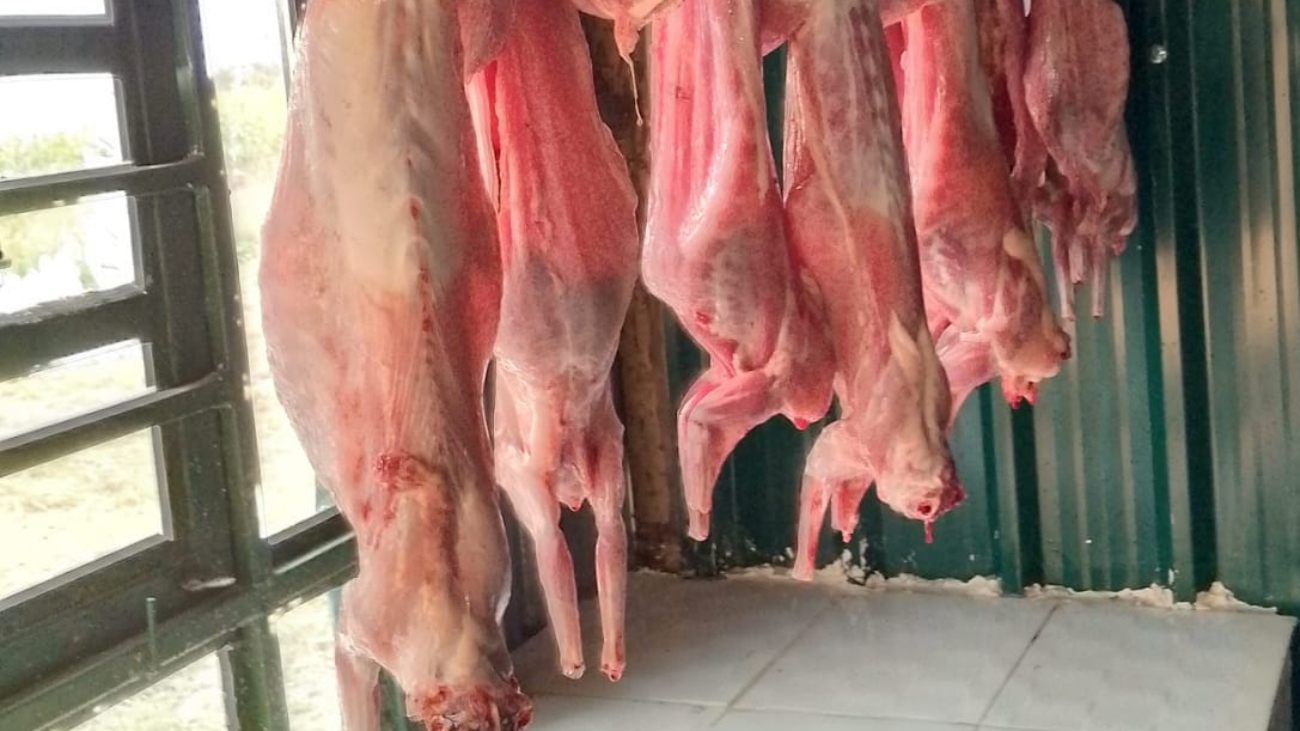
Rabbits for meat hung upside down by hind legs

Skinning and Gutting

  • Start skinning from the hind legs, gently pulling the skin down like removing a shirt.
  • Carefully open the abdomen and remove internal organs.
  • Separate edible organs, such as the liver, kidneys, and heart, are nutritious and often sold separately.
  • Rinse the carcass thoroughly in clean water.

Storage and Preservation

  • Let the meat rest and cool in a clean container or the refrigerator before cooking or storing it for later use.
  • If you plan to sell, package the meat in clear, food-grade plastic bags, label it, and freeze it as soon as possible.

Conclusion

Raising rabbits for meat is a journey built on care, consistency, and smart choices. With the right breeds, proper feeding, and good housing, even a small setup can turn into a reliable source of income and food security. It’s not about rushing, it’s about learning as you go, staying committed, and growing with purpose.

At Rabbit Choice Farms, we understand that every successful farm starts with the right foundation. That’s why we offer more than just rabbits. We provide guidance, training, and ongoing support to help you achieve success. If you’re considering getting started or want to improve your current setup, we invite you to explore our Become a Farmer program.

You can also contact us today with any inquiries you may have.

Rabbit-market

Thriving Rabbit Market: Explore 6 Profitable Opportunities for Success

The rabbit industry is more than just cute pets hopping around in backyards. It’s a growing field with many opportunities! Rabbit market, right from rabbit meat to fur and even rabbit urine, this industry serves various needs. If you’re thinking about getting into rabbit farming or just want to know more, let’s explore the six key markets that rabbits provide.

1. Meat Rabbit Market

First up is the rabbit meat market. Rabbit meat is becoming popular because it’s lean and healthy. It’s packed with protein but has less fat and fewer calories than beef or pork. Many people are looking for healthier food options, and rabbit fits the bill!

Meat rabbit market

In Kenyan urban households, rabbit meat is already a favorite on dinner tables. If you raise rabbits for meat, you can sell them directly to consumers, local restaurants, or even specialty shops. There’s a growing interest in eating rabbit meat, so it’s a great time to jump in!

2. Pet Rabbit Market

Next, we have the pet rabbit market. Rabbits have become one of the top choices for pets, especially in cities where people may not have room for larger animals. They’re adorable, friendly, and can even be litter-trained!

Pet rabbit market

This market isn’t just about selling rabbits; it’s also about providing everything a rabbit owner needs—like cages, food, and toys. If you breed rabbits, there’s a lot of potential to cater to this market. Plus, some people love to seek out unique breeds, which can make it even more interesting.

3. Fur and Wool Rabbit Market

Have you ever heard of Angora rabbits? They produce some of the softest fur out there! The rabbit fur and wool rabbit market is another big area. Angora wool is sought after for making cozy sweaters and scarves.

Rabbit fur and wool rabbit market

While some people raise rabbits for their fur, it’s essential to focus on ethical practices to keep everything humane. Many consumers care about how animals are treated, so being responsible can help your business thrive in this market.

4. Laboratory Use and Research Market

You might not think about rabbits in a lab, but they play an important role in scientific research. Because of their size and genetics, rabbits are often used in studies for medicines and vaccines.

If you breed rabbits for this purpose, you’ll need to follow strict health guidelines to ensure the rabbits are suitable for research. This market can be steady since labs need a consistent supply of healthy rabbits for their studies.

5. Manure Rabbit Market

Did you know that gardeners call rabbit manureblack gold”? It’s true! Rabbit manure is a fantastic fertilizer because it’s rich in nutrients and can be used right away without needing to compost.

Rabbit manure

This market is perfect for gardeners and organic farmers who want natural fertilizers. You can sell rabbit manure fresh, dried, or even in pellet form. It’s a great way to turn what some might consider waste into extra income!

6. Rabbit Urine Market

Now, let’s talk about something a bit different—rabbit urine! It might sound odd, but rabbit urine can actually be useful. It’s high in nitrogen, making it a great organic fertilizer.

Gardeners can dilute rabbit urine with water and use it to give their plants a nutrient boost. Some farmers also use it as a natural pest deterrent, which can help keep unwanted bugs away without chemicals.

With more people looking for organic gardening solutions, there’s a chance to create products using rabbit urine for fertilizers. It’s a unique market that’s worth exploring!

7. Educational and Therapeutic Markets

Finally, rabbits are increasingly being used in education and therapy. Schools and therapy centers often bring in rabbits to teach kids about caring for animals. In therapy settings, rabbits can provide comfort and help people feel better.

This market is special because it focuses on helping communities. Rabbit breeders and farms can partner with schools and therapy programs to provide friendly and well-trained rabbits. It’s a rewarding way to make a difference while doing what you love.

Ready to Venture into Rabbit Farming?

The rabbit market industry is full of exciting possibilities! From meat and fur to rabbit urine and manure, there are many markets to explore. 

Whether you’re thinking about becoming a rabbit farmer for food, selling them as pets, or even using them for educational purposes, there’s a lot of potential. By tapping into these various markets, you can not only make a profit but also contribute to a sustainable future. 

So, if you love rabbits, there’s no better time to get involved! 

Don’t know where to start? Contact us now. We’ll guide you through the whole process right from construction, rabbit sourcing, management, and marketing. We are your solution to all things rabbit.